

A healthy lawn does more than improve the appearance of a home. The way we care for our yards affects how rainfall moves through our neighborhoods, how much water we use, and what eventually reaches local waterways.
Water-wise lawn care is about using water efficiently, improving soil health, choosing plants that fit Nebraska’s climate, and creating landscapes that work with nature instead of against it.
Healthy landscapes can help absorb rainfall, reduce runoff, conserve water, and protect Nebraska’s streams, rivers, and groundwater resources.
Start With Healthy Soil
Healthy soil is the foundation of a healthy landscape.
Soil that can absorb and hold water allows plants to develop stronger root systems and reduces the amount of water lost to runoff. When soil becomes compacted, rainfall and irrigation water have fewer places to move, which can lead to standing water and increased runoff.
Several factors affect how well soil stores water.
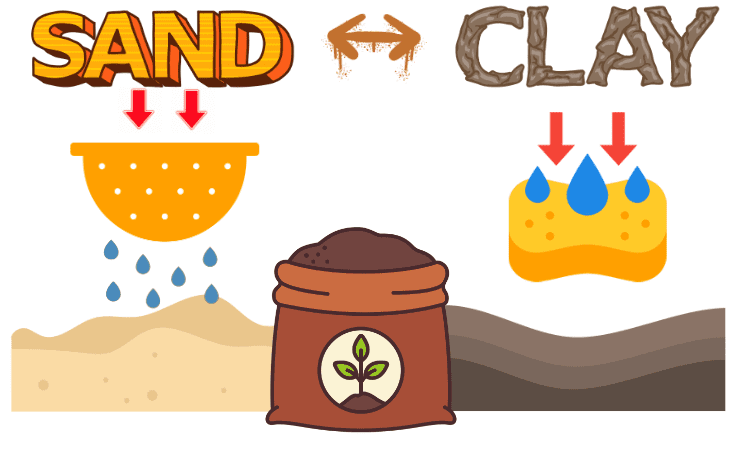
Soil Type
Soils vary in how they hold and release water.
Sandy soils allow water to move through quickly, while clay-rich soils hold water longer but may absorb rainfall more slowly. Most Nebraska lawns contain a mixture of soil types.
A simple soil test can help identify your soil characteristics and guide lawn care decisions.
Squeeze a handful of damp soil.
• Sandy soils tend to crumble apart.
• Clay-rich soils tend to hold their shape.
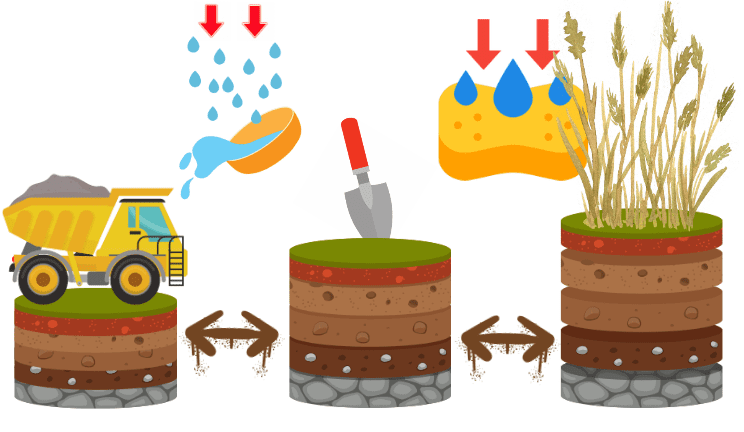
Soil Compaction
Compacted soil has fewer air spaces for water to occupy. It commonly occurs in areas affected by construction activity, heavy equipment, frequent foot traffic, or repeated vehicle use.
Signs of compacted soil include:
- Standing water after rainfall
- Thin or struggling grass
- Hard soil that is difficult to dig
- Water running off instead of soaking in
Aerating compacted lawns can improve water infiltration and allow roots to grow more effectively.

Add Organic Matter
Compost and other organic materials improve soil structure, increase water-holding capacity, and support healthier plants.
Adding compost to lawns and garden beds can help soil act more like a sponge—holding water when it rains and releasing it when plants need it.
Top-dressing lawns with compost after aeration is an effective way to improve soil health over time.
Water Smarter, Not More
A healthy lawn needs water, but more water does not always mean a healthier lawn. Established vegetation should receive about 1 inch per week while it is actively growing.
Many lawns receive more water than they need simply because watering has become part of a routine instead of a response to weather and soil conditions.
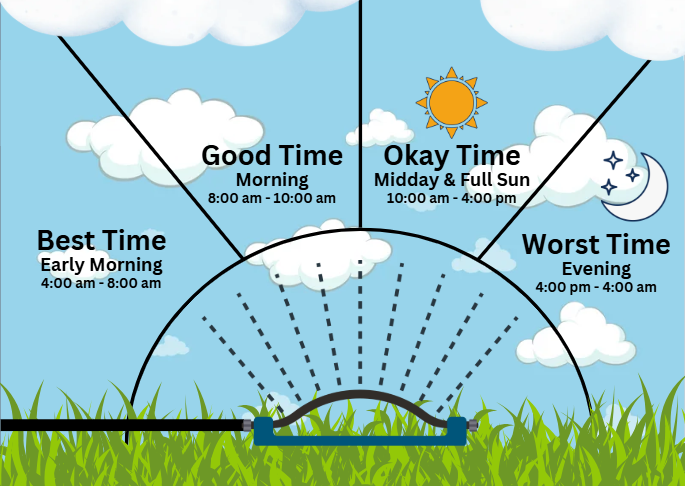
The best time to water is usually early morning.
Cool temperatures, lower winds, and reduced evaporation allow more water to soak into the soil where plants can use it.
Watering during the hottest part of the day can waste water through evaporation, while evening watering can leave grass wet overnight and increase the chance of disease.

Before turning on the sprinkler, check whether your lawn actually needs water.
Signs your lawn may need water include:
- Grass blades that remain flattened after being stepped on
- Soil that feels dry several inches below the surface
- A screwdriver that is difficult to push into the soil
Water deeply and less frequently to encourage deeper roots. Deep roots help lawns better withstand hot, dry periods.
Make Your Sprinkler System Work for You
Automatic irrigation systems can make lawn care easier, but they work best when they are properly maintained and adjusted.
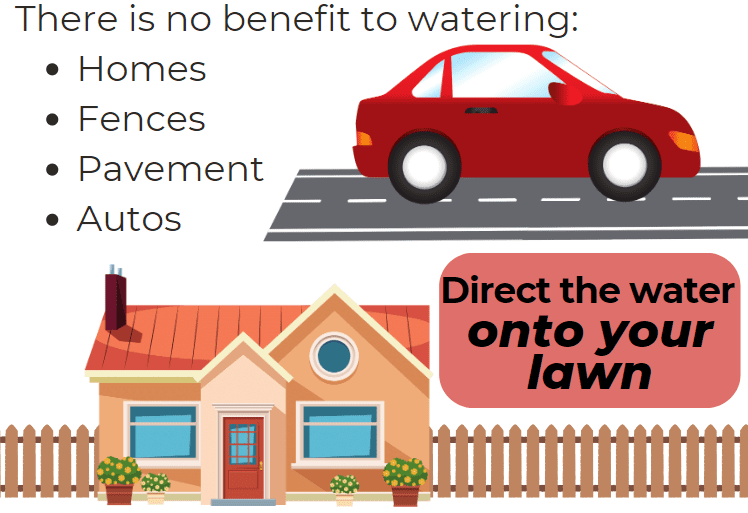
A sprinkler system that waters sidewalks, driveways, streets, or other hard surfaces wastes water and can contribute to unnecessary runoff.
Before the watering season begins, check your system:
Sprinkler System Check
☐ Straighten tilted sprinkler heads
☐ Replace damaged or clogged nozzles
☐ Check for leaks
☐ Adjust spray patterns
☐ Make sure water is reaching plants—not pavement
☐ Adjust timers as weather changes
☐ Test rain sensors if available

Avoid watering during or immediately after rainfall. Adjust irrigation schedules throughout the year because lawns need different amounts of water in spring, summer, and fall.
The goal is not to use more water. The goal is to use water more effectively.
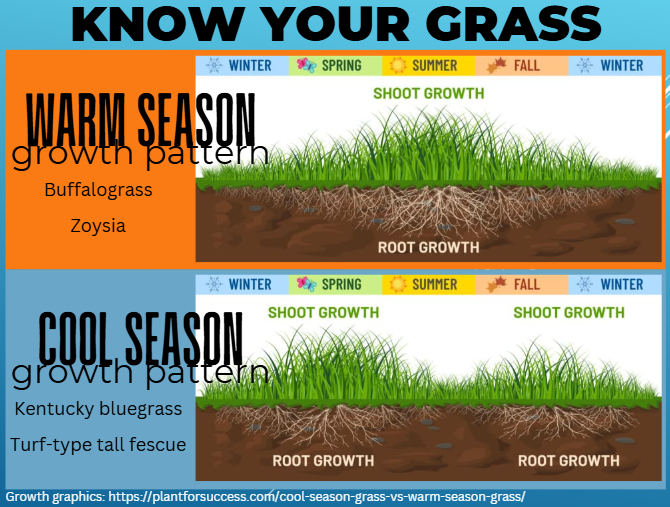
Maintain Your Lawn With Water Quality in Mind
Small lawn care choices can affect stormwater runoff.
When rainfall or irrigation water moves across lawns, it can carry soil, fertilizer, grass clippings, and other materials into streets and storm drains.
Thoughtful maintenance practices help keep those materials where they belong.
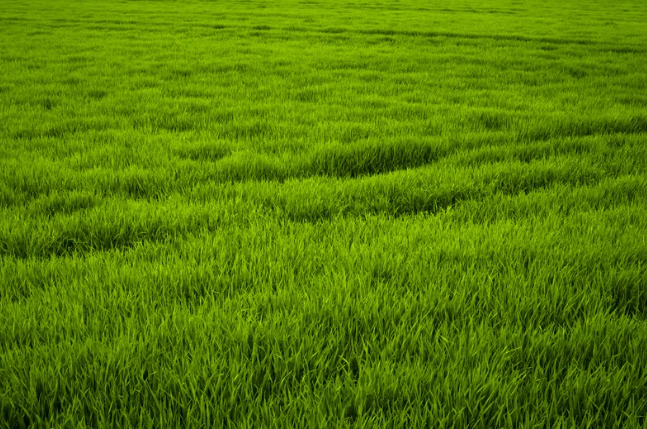
Mow Higher for Healthier Grass
Many homeowners mow grass shorter than necessary.
Taller grass shades the soil surface, helping reduce evaporation and keeping roots cooler. Longer grass can also develop deeper root systems, allowing plants to access water stored farther below the surface.
For a healthier lawn:
-
- Keep mower blades sharp
- Avoid removing more than one-third of the grass blade at a time
- Raise mowing height during hot summer months
A slightly taller lawn often requires less water and is more resilient during dry conditions.
Leave Grass Clippings on the Lawn When Possible
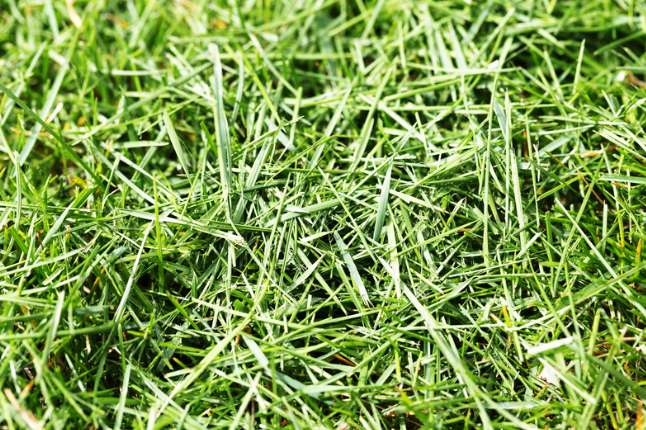
Grass clippings contain nutrients that can return to the soil when left on the lawn.
When mowing regularly, small clippings break down quickly and do not create thatch problems.
Keep grass clippings out of streets, sidewalks, and storm drains where they can contribute nutrients and organic matter to stormwater runoff.
Fertilize Responsibly
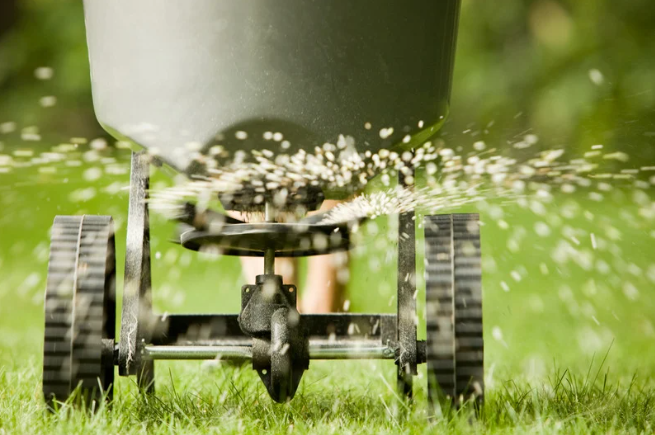
Fertilizer helps plants grow, but applying more than plants can use increases the chance of runoff pollution.
To protect water quality:
-
- Test soil when possible before applying fertilizer
- Follow product directions
- Apply only the recommended amount
- Sweep fertilizer from sidewalks and driveways back onto the lawn
- Avoid applying fertilizer before heavy rainfall
What is applied to your yard can eventually affect local waterways.
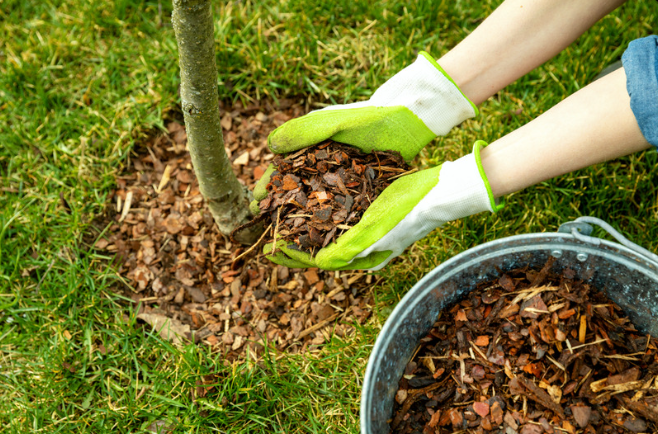
Use Mulch to Protect Soil
Mulch helps landscapes retain moisture, regulate soil temperatures, and reduce erosion.
Adding mulch around trees, shrubs, and garden beds can help plants use water more efficiently while protecting soil from being washed away during rainfall.
Choose Plants That Fit Nebraska
A water-friendly landscape does not have to be a lawn made entirely of grass.

Trees, shrubs, native plants, and drought-tolerant plants can help manage water naturally while providing habitat and beauty.
Plants that are suited to Nebraska’s climate often require less supplemental watering once established.
Thoughtful plant choices can:
-
- Reduce water use
- Improve soil structure
- Provide shade
- Support pollinators and wildlife
- Help rainfall soak into the ground
Explore more: Native Plants and Water Quality
Let Rain Work for You
Rainfall is a resource. When possible, allow rain to soak into the landscape where it falls.
Hard surfaces such as roofs, driveways, and sidewalks prevent water from soaking into the ground and can increase runoff.
Small changes can help capture and slow rainfall.
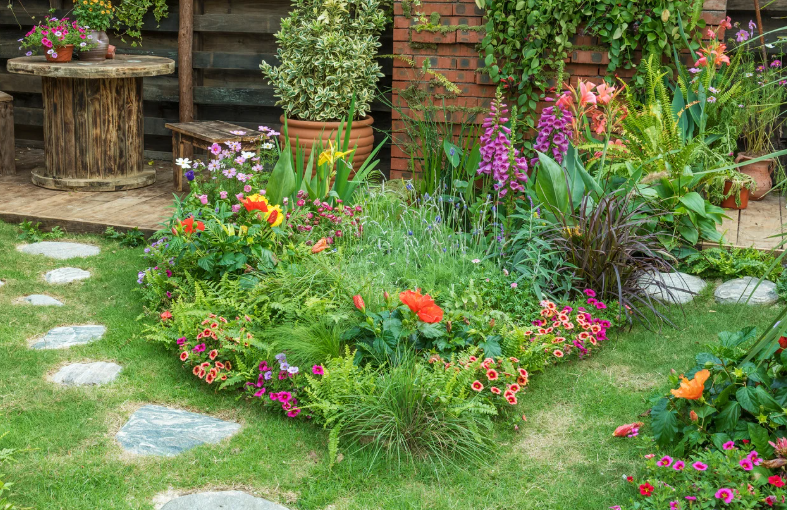
Rain Gardens
Rain gardens are planted areas designed to collect runoff from roofs, driveways, and other hard surfaces.
They allow water to slowly soak into the soil while creating attractive landscape features.
Learn more: Rain Gardens 101
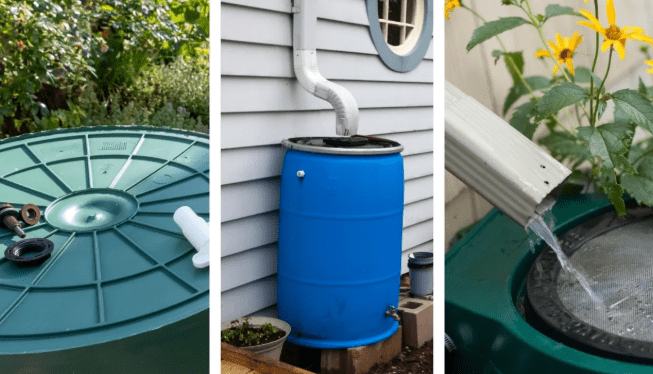
Rain Barrels
Rain barrels collect rainfall from rooftops and store it for later use in gardens and landscapes.
Using collected rainwater can reduce demand on municipal water supplies while keeping rainfall available for plants.
Learn more: Rain Barrels 101
When Your Yard Has Water Problems
A water-friendly landscape is not about eliminating all moisture. Some areas naturally hold water after rainfall.
However, persistent drainage problems may indicate that changes are needed.
Explore Solutions For:
Why Water-Wise Lawn Care Helps Stormwater
Creating a healthy landscape does not require a perfect lawn. It requires understanding how small decisions add up.
Healthy soil, properly maintained irrigation systems, thoughtful plant choices, and responsible lawn care practices allow more water to soak into the ground where plants can use it.
When water runs off too quickly, it can carry pollutants toward streets, storm drains, lakes, rivers, and groundwater-connected waterways.
Every drop that soaks into the soil is one less drop rushing toward a storm drain.
By using water wisely, caring for soil, and managing rainfall where it lands, homeowners can create attractive yards that conserve water and help protect Nebraska’s waterways.
Our Water, Our Responsibility
Continue reading:
Curious how you can build healthy soils? Want to manage water where it lands with a rain barrel? Considering installing a rain garden? Explore all of these options and more.