
Education + Resources
Stormwater runoff is rain and melted snow that flows over streets, parking lots, and other hard surfaces. As it moves, it can carry pollutants such as dirt, chemicals, oil, trash, and yard waste into local waterways.
In most Nebraska communities, stormwater is not treated before it enters streams, rivers, and lakes. That means everyday actions at home, school, and work directly affect water quality.
This page provides stormwater education resources for homeowners, educators, contractors, and the public. Topics include stormwater runoff, pollution prevention, flooding, green infrastructure, and MS4 stormwater requirements.
Learning about stormwater management can help keep our water clean and improve the health of the citizens and wildlife of Nebraska. At Nebraska H2O, we want to help raise awareness through education and easy access to the resources you need to make improving our overall water quality easy.
General stormwater education and information
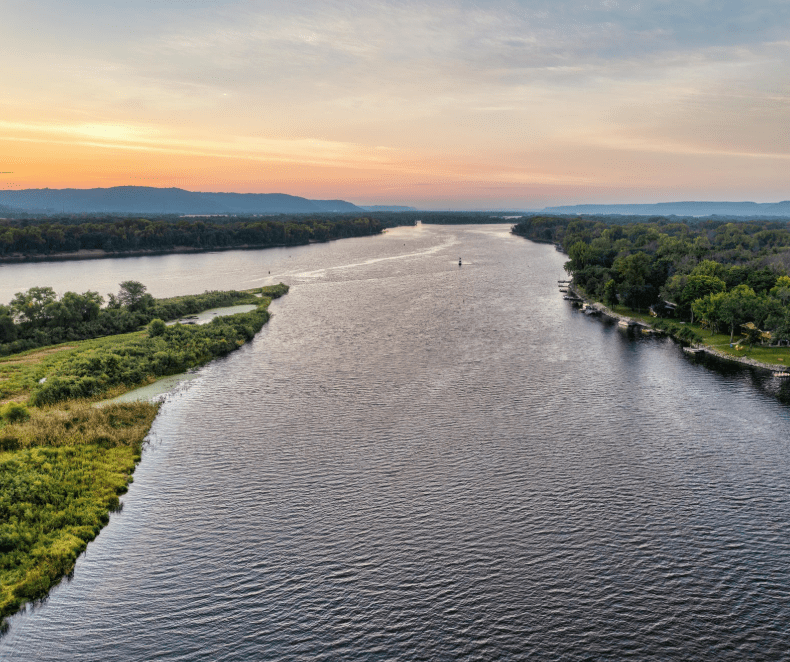
Stormwater Basics:
What Stormwater Runoff Is and Where It Goes
Learn more about stormwater systems, runoff, and water quality in our Stormwater Basics guide.
Understanding how stormwater works is the first step in protecting water quality.
Stormwater enters storm drains and flows directly to nearby waterways without treatment. Unlike wastewater from homes and businesses, stormwater does not go to a treatment plant.
Learn about:
- What stormwater runoff is and how it forms
- The difference between stormwater and sanitary sewer systems
- Where stormwater goes in urban and rural areas
- Why stormwater is not treated
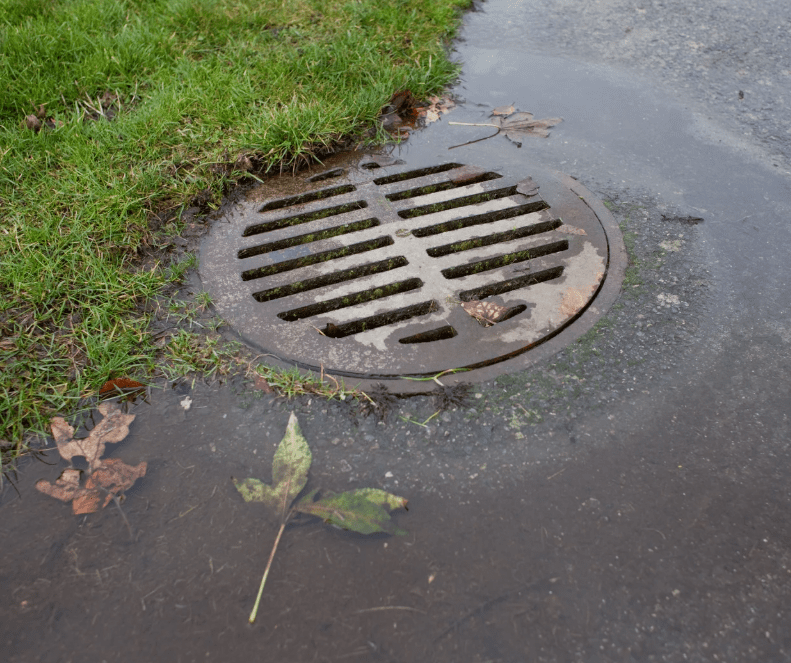
Pollution Prevention
Reducing Stormwater Pollution at Its Source
Discover common sources of stormwater pollution and practical ways to protect local waterways.
Stormwater pollution is caused by everyday activities and materials left on the ground or washed into drains during rain events.
Common pollutants include:
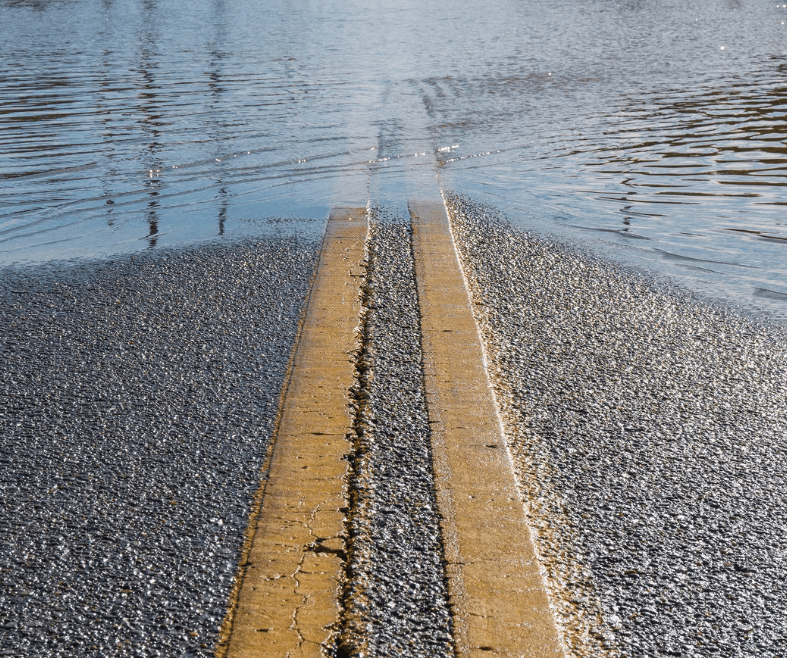
Flooding, Runoff, and Resilience
Managing Rainfall and Reducing Flood Risk
Learn how stormwater runoff contributes to flooding, how communities manage drainage systems, and ways to improve resilience during heavy rain events.
Heavy rainfall and snowmelt can overwhelm drainage systems and cause localized flooding. Urban development increases runoff because hard surfaces prevent water from soaking into the ground.
Understanding runoff helps communities reduce flood risk and improve infrastructure planning.

Green Infrastructure
Natural Solutions for Stormwater Management
Learn how rain gardens, permeable pavement, and other green infrastructure practices help manage stormwater.
Green infrastructure uses natural processes to manage stormwater where it falls, helping reduce flooding and improve water quality.
These practices slow down runoff, allow water to soak into the ground, and filter pollutants naturally.
Examples include:
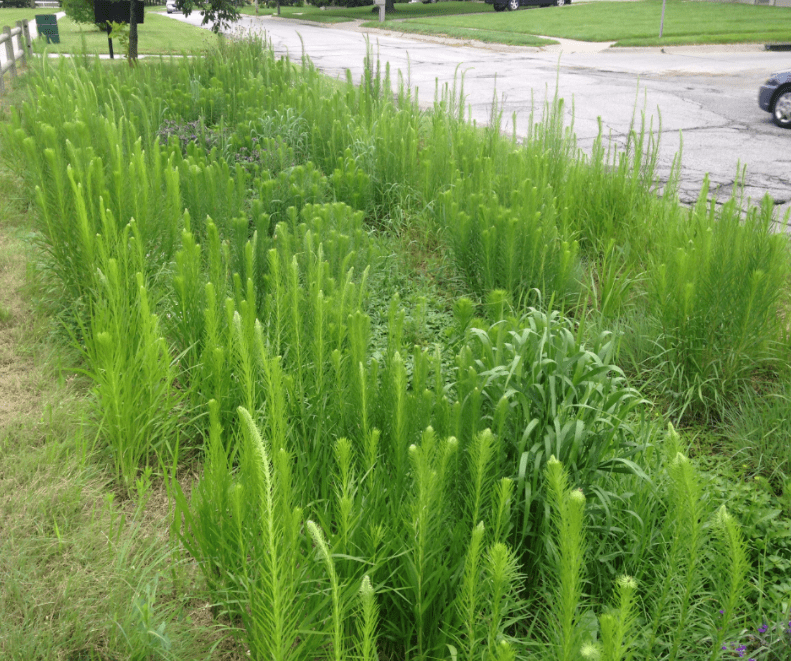
- Rain gardens
- Bioswales
- Permeable pavement
- Rain barrels and rainwater harvesting systems
MS4 Stormwater Program
How Communities Protect Water Quality
Discover how MS4 programs reduce stormwater pollution through public education, infrastructure maintenance, construction oversight, and water quality protection efforts.
The communities of NebraskaH2O each operate under a Municipal Separate Storm Sewer System (MS4) permit, which is required under federal and state stormwater regulations.
The MS4 program helps reduce pollution in stormwater through public education, construction site oversight, and stormwater system maintenance.
MS4 program components include:
- Public education and outreach
- Illicit discharge detection and elimination (IDDE)
- Construction site stormwater controls
- Post-construction stormwater management
Homeowner Resources
Simple Ways to Manage Stormwater at Home
Find practical tips for reducing runoff, protecting water quality, and managing stormwater on your property through everyday actions and landscaping practices.
Homeowners play an important role in reducing stormwater pollution and managing runoff on private property.
Small changes in yard care and drainage practices can significantly reduce impacts to local waterways.
Topics include:
- Managing yard drainage and runoff
- Proper disposal of yard waste and chemicals
- Rain barrels and rain gardens
- Sump pump and drainage system best practice
Why Stormwater Education Matters
Stormwater runoff is one of the leading sources of water pollution in urban areas because it is not treated before entering waterways. Reducing pollution at the source helps protect rivers, lakes, groundwater, and drinking water supplies across Nebraska.
Simple actions at home and in the community make a measurable difference in water quality and flood reduction.
FAQs
What exactly is stormwater? What is MS4? Get the answers to your stormwater management questions with our list of FAQs.
MS4 Storm Sewer vs. Sanitary Sewer
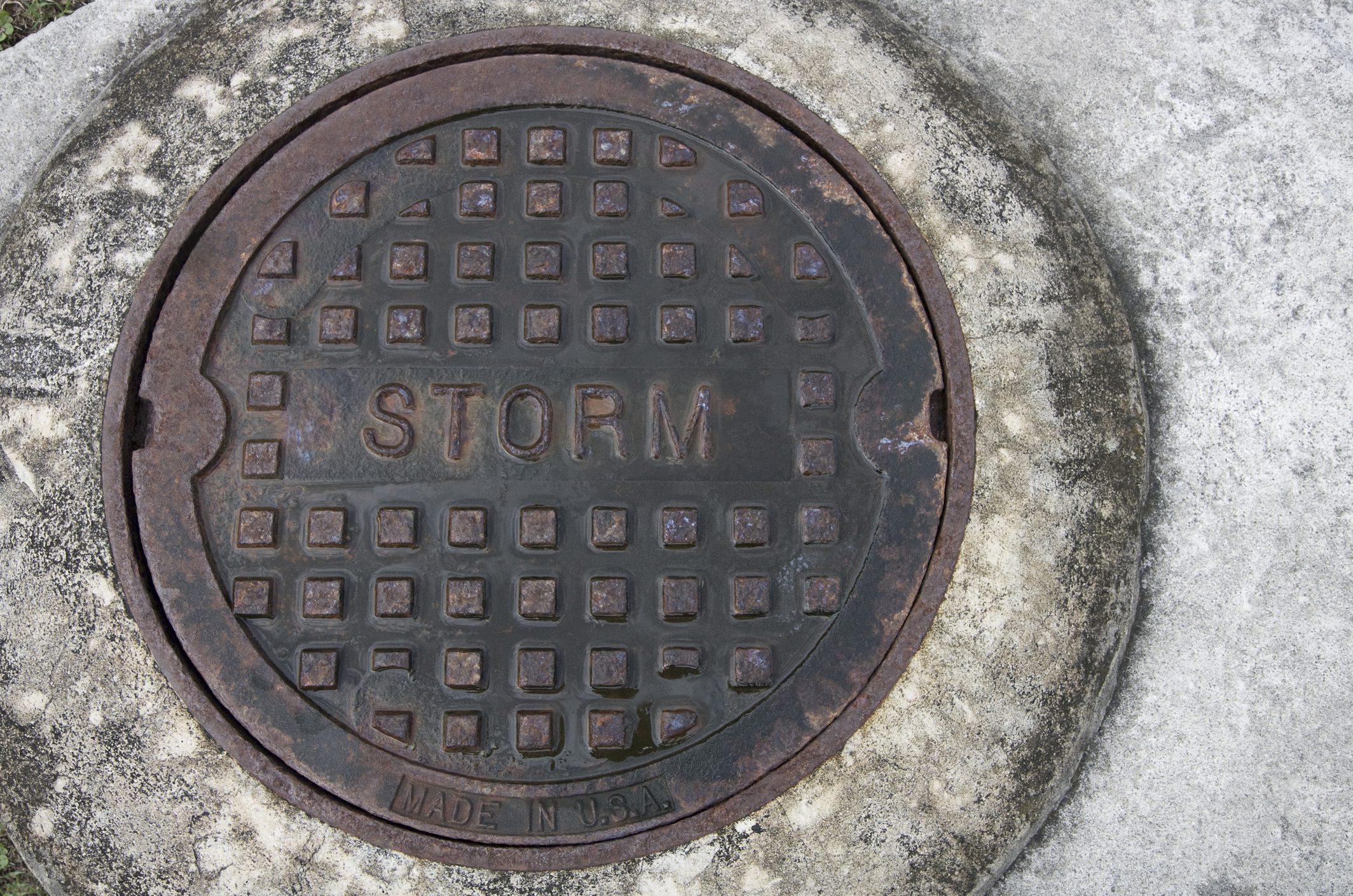
A Municipal Separate Storm Sewer System (MS4) is designed strictly to gather stormwater and send it out to local rivers and streams without any kind of treatment. It’s separate from the sanitary sewer system that carries wastewater from home and businesses to a sewage treatment facility or a private septic system. An MS4 is a publicly owned system that has streets, curbs, gutters, catch basins, ditches, storm drains, retention basins, and underground pipes.
Combined Sewer System CSS
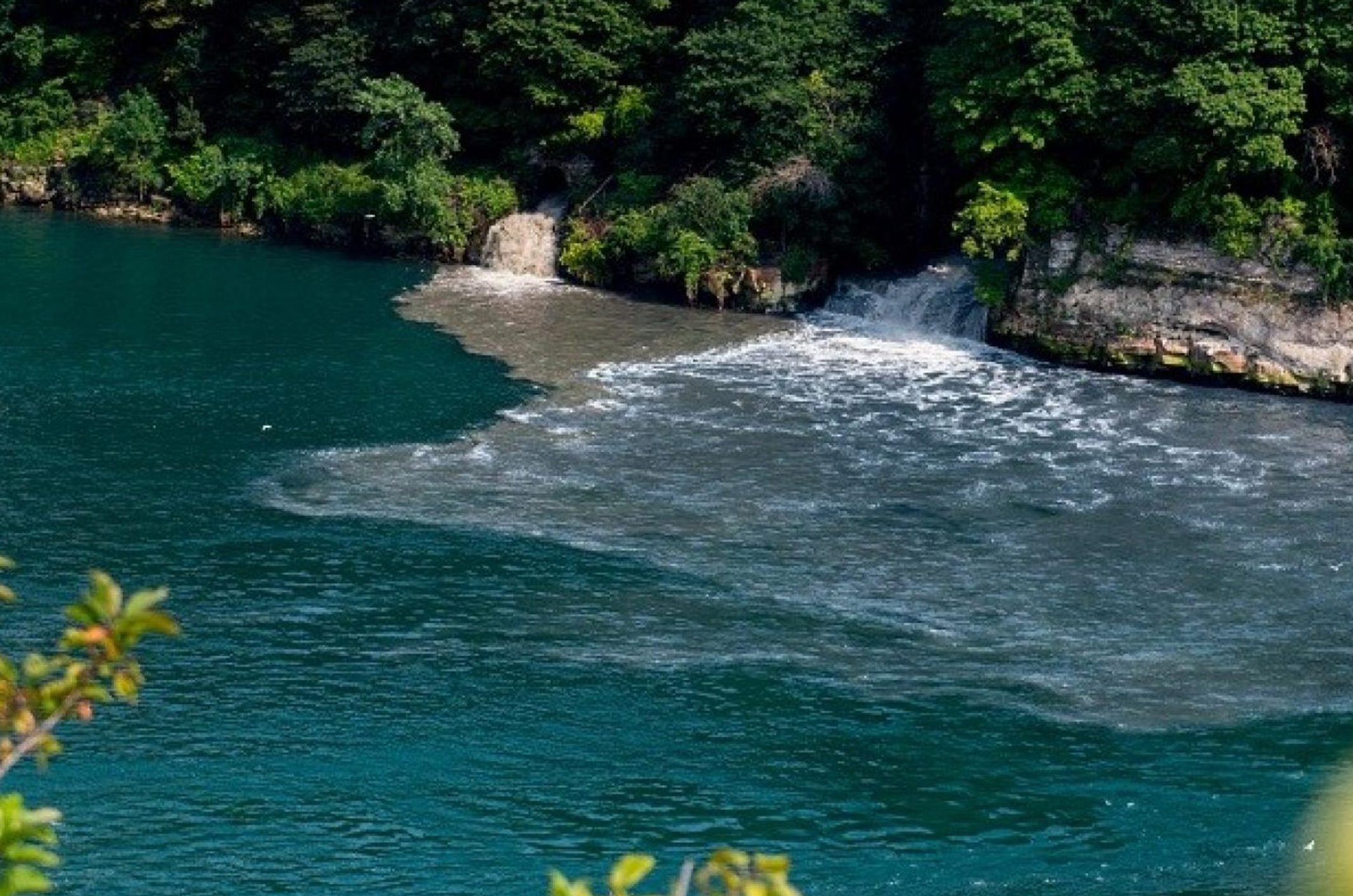
Ideally, sanitary sewer systems are separated from stormwater systems; however, there are some areas that run them together, referred to as combined sewer system (CSS), that run all stormwater, human and industrial sewage to the treatment facilities. Omaha is the only Nebraska city with an existing CSS structure. During heavy rainfall events or snowmelt, the volume of wastewater can exceed the capacity of the CSS or treatment plant, causing the untreated stormwater and wastewater to discharge directly to nearby streams, rivers, and other water bodies. This is a combined sewer overflow (CSO).
Nonpoint source pollution
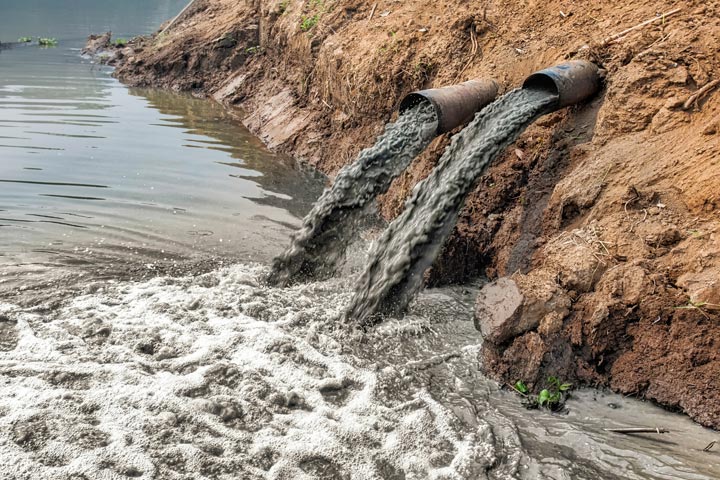
When pollution comes from multiple sources, it’s referred to as nonpoint source pollution. This type of pollution can include:
- Excess fertilizers, herbicides and insecticides from agricultural or residential areas
- Oil, grease and toxic chemicals from urban runoff and energy production
- Sediment from improperly managed construction sites, crop or forest lands and eroding streambanks
According to the EPA, states report that nonpoint source pollution is the leading remaining cause of water quality problems in US surface waters.
Clean Water Act
The Clean Water Act, enacted in 1948 and amended in 1972, has established the basic structure for regulating the discharge of pollutants into U.S. waters as well as regulating quality standards for surface waters. With the CWA, the United States Environmental Protection Agency implements pollution control programs and develops national water quality criteria recommendations. The CWA makes it unlawful for any point source to discharge pollutants into navigable waters without a permit.
For more information about permits and regulations, reach out to your local Nebraska H2O member or visit the Nebraska Floodplain and Stormwater Managers Association website.
Public Resources
Find links and information for everything you need for stormwater management, from government entities to information for permit applications.
Stormwater management supports a green lifestyle
Proper stormwater management can have a positive effect on the environment and there are many different ways you can do this on your own – landscaping with native plants and trees, better waste disposal practices, and water reuse are just a few.

Plants
Thoughtful landscaping can help easily manage stormwater while being great for your local environment.
Using plants that are native to the region means you have to use less water and chemicals for them to thrive, they are hardier against diseases, they provide a better habitat for area insects and animals, and they create a distinct sense of place. Plants use the water from rain to thrive, soaking it into their roots, and having plenty of trees helps reduce stormwater runoff through what’s known as evapotranspiration.
During this process, trees are capturing and storing rainfall in the canopy that is later released as water back into the atmosphere. Tree roots and fallen leaves also promote soil conditions that are better for infiltration of rainwater into the soil.
Tree and native landscaping resources:

Water conservation and reuse
Conserving water can be a simple task in your own home with the right approach. If you’re planting a garden, look into creating a rain garden that will take advantage of the water you normally want to direct away from your home. For those who have flowers and gardens that require regular watering, consider installing a rain barrel for easy water harvesting. Your plants will be happy getting the water they need, and you’ll enjoy the savings on your water bill, too. In addition to using rain barrels, gray water can be used to water certain plants in and around your home, like fruit trees and landscaping. If using gray water, it’s important to not use it on root crops or edible crops that touch the ground, and do not use any wastewater from toilets, kitchen sinks, dishwashers or laundry water that had soiled diapers as these may contain bacterial contaminants, grease or other detergent residues that are harmful to plants.
Construction and post-construction stormwater
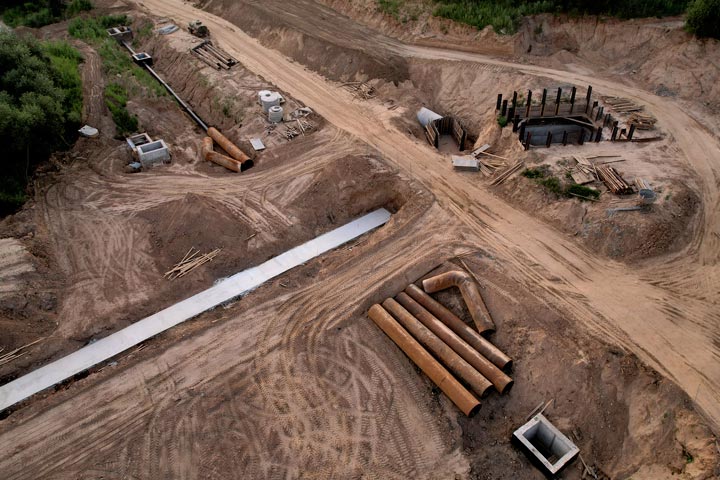
Construction companies control stormwater runoff on their sites to prevent pollutants and sediment from flowing into local bodies of water.
There are a variety of Best Management Practices (BMPs) for erosion control, waste management, and material storage. Resources to assist company leaders in ensuring their methods are correct include:
- CSI
- Stormwater Pollution Prevention Plan (SWPPP) Preparer Certification
- City of Lincoln BMP Guide
- Mile High Flood District (Denver) Urban Drainage Manual Volume 3 (BMPs)
Post-Construction Stormwater, or permanent stormwater BMPs, are actually planned before construction begins. These features become permanent features of the site to manage runoff, prevent flooding and provide water treatment.
Examples include detention or retention ponds, bioswales, or underground stormwater storage.

Waste management
Disposing of trash in receptacles is a great thing to do, but even when you’re properly throwing items away, they can still hurt the environment. By focusing on better waste management, we can help reduce the trash load and non-filterable contaminates that get released into the water. It’s important to follow the Five R’s:
- Refuse – Whenever possible, opt out of using or purchasing anything that is not recyclable or is bad for the environment. Try to purchase items not packaged in plastic or request no straw with your drink at a restaurant.
- Reduce – Eliminate your use of wasteful products wherever possible. Use refillable water bottles and bring reusable bags with you to the grocery store to opt out of plastic. Buy in bulk for less packaging, recycle bottles and cans through a buyback program and get your address removed from junk mailing lists.
- Reuse – Continue using items that are still in great shape, such as binders and other supplies, or donate things like clothes and toys to family, friends or organizations.
- Recycle – If it needs to be disposed of, figure out what can be recycled.
- Rot – Compost old food scraps for excellent fertilizer for your own garden, or determine if there is a drop-off service in your area that will accept your compost.
Unfortunately, despite our best efforts, there are necessary items we use every day that aren’t so easy to recycle or dispose of. Look for special disposal locations and events for things like household hazardous waste, pharmaceuticals and scrap tires, and be sure to keep a waste/recycle directory on-hand so you always know where to take your items.
MCMs
In order to keep our community and environment healthy, there are six stormwater management plan minimum control measures to follow. These are directed toward educating the public, minimizing and preventing pollution and more.