
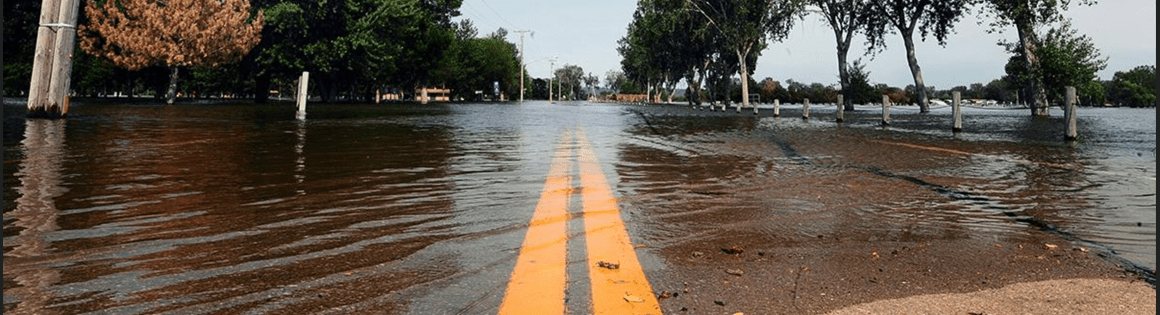
Flooding, Runoff, and ResilienceUnderstanding Why Flooding Happens and What Communities Can Do
Flooding is a natural part of the water cycle, but the way water moves through communities has changed significantly over time. As towns and cities grow, more land is covered by roads, rooftops, parking lots, and other hard surfaces that prevent water from soaking into the ground.
When rain falls faster than it can infiltrate, drain, or be stored, flooding can occur.
Understanding how stormwater moves through a community is the first step toward understanding why flooding happens—and what can be done to reduce its impacts.
Not All Water Is A Problem
We often think of flooding as something that should never happen, but water naturally slows down, spreads out, and temporarily collects across the landscape.
In many cases, that is exactly what we want it to do.
Rain gardens temporarily hold water. Wetlands store stormwater. Detention basins fill during storms. Even healthy soils act like a sponge after rainfall.
Resilient communities don’t simply move water away as quickly as possible—they create places for it to slow down and soak in.
What Causes Flooding?
Flooding occurs when more water arrives than the landscape or drainage system can handle at one time.
Several factors influence flooding, including:
- Rainfall intensity
- Storm duration
- Soil conditions
- Land use
- Available storage
- Drainage system capacity
While flooding is often associated with major storms, localized flooding can occur during relatively short rainfall events when runoff accumulates faster than it can be conveyed away.
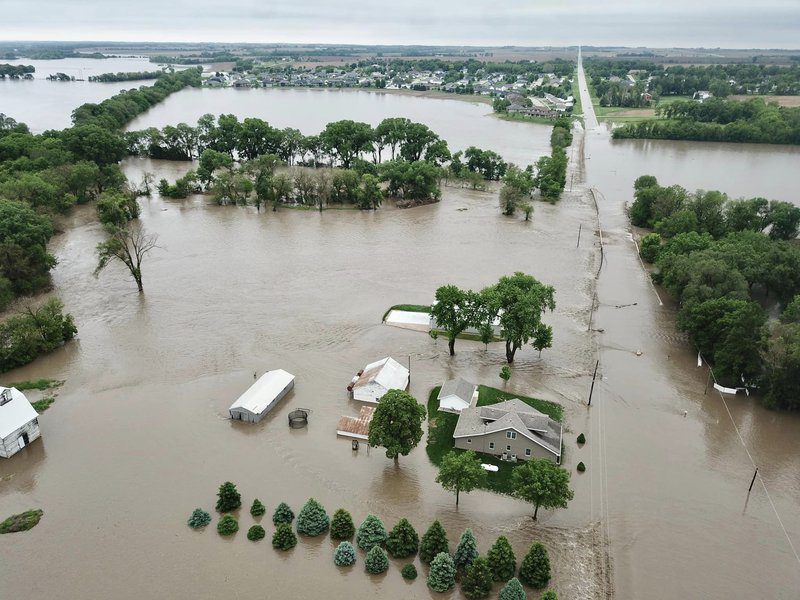
(Photo by Western Belle Photography)
Hard Surfaces and Runoff
Natural landscapes absorb rainfall.
Grasslands, forests, wetlands, and healthy soils allow water to soak into the ground, where it becomes part of the natural water cycle.
Developed areas work differently.
Roads, parking lots, sidewalks, and rooftops prevent infiltration. Instead of soaking into the soil, rainfall becomes stormwater runoff that moves quickly across the surface.
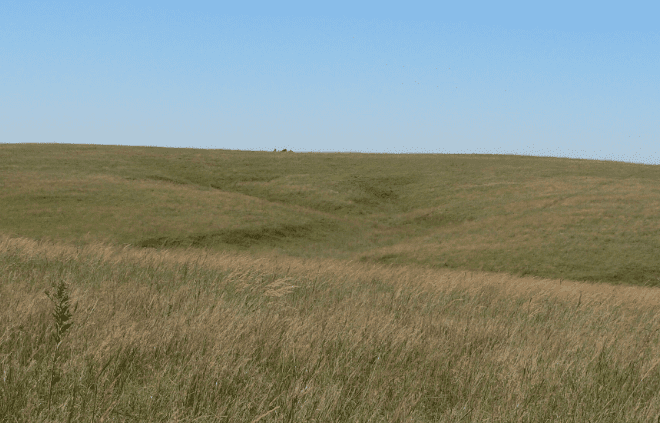
Nebraska before development
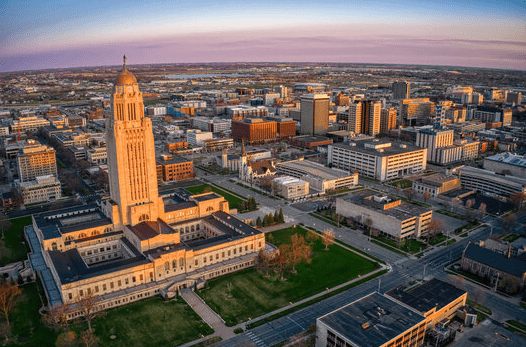
Nebraska now
As communities develop, runoff volumes often increase while infiltration decreases.
This means more water reaches streams, lakes, and storm drainage systems in a shorter period of time.
When Heavy Rain Falls Too Fast
Stormwater systems are designed to manage rainfall, but every system has limits.
During intense storms, large amounts of rain can fall in a short period of time. When runoff enters drainage systems faster than it can be conveyed away, water may temporarily pond on streets, collect in low areas, or contribute to localized flooding.
This does not necessarily mean the system has failed. It often means the storm exceeded the capacity for which the system was designed.
As rainfall intensity increases, communities must continue evaluating how best to manage runoff and reduce flood risk.
Aging Infrastructure and Changing Communities
Infrastructure is built to serve communities for decades, but communities do not remain static.
Over time:
-
- Development patterns change
- Drainage areas expand
- Infrastructure ages
- Rainfall records evolve
Stormwater systems that once performed adequately may face new challenges as communities grow and conditions change.
Managing flood risk often requires a combination of maintenance, rehabilitation, upgrades, and new approaches to stormwater management.
The Role of Streams, Lakes, and Drainageways
Water needs somewhere to go.
Streams, rivers, lakes, wetlands, and drainageways serve as part of the larger stormwater system by temporarily storing and conveying water during storm events.
These natural features help reduce flooding by providing space for water to spread out and slow down.
Protecting and maintaining these systems is an important part of community resilience.
How Communities Reduce Flood Risk
There is no single solution to flooding.
Most communities rely on a combination of strategies that work together.
Green Infrastructure
Green infrastructure helps manage water closer to where it falls.
Examples include:
-
- Rain gardens
- Bioswales
- Infiltration practices
- Wetlands
- Urban trees
- Multi-purpose ponds
These systems slow runoff, improve water quality, and reduce the amount of water entering traditional drainage systems.
Gray Infrastructure
Traditional infrastructure includes:
-
- Storm sewer pipes
- Culverts
- Channels
- Detention basins
- Pump stations
These systems are designed to move or temporarily store water during storm events.
The Importance of Infiltration and Recharge
One of the most effective ways to reduce runoff is to increase infiltration.
When rainfall soaks into the ground, it is temporarily removed from the surface runoff system. This reduces peak flows and helps lessen pressure on storm drainage infrastructure.
Infiltration also supports groundwater recharge by allowing water to replenish underground aquifers.
For many communities, infiltration provides both flood reduction and long-term water resource benefits.
Building Resilient Communities
Resilience is the ability of a community to prepare for, respond to, and recover from challenges.
Flood resilience involves more than infrastructure alone.
It includes:
-
- Long-term planning
- Infrastructure maintenance
- Responsible development
- Public education
- Stormwater management
- Natural resource protection
Communities that combine these approaches are often better equipped to manage changing conditions and future storm events.
What Residents Can Do
Residents can help reduce runoff and improve resilience by:
✓ Redirecting downspouts to vegetated areas
✓ Understanding how water moves across your property
✓ Maintaining healthy lawns and landscapes
✓ Installing rain gardens or rain barrels
✓ Keeping storm drains free of debris
✓ Supporting local stormwater initiatives
Small actions across many properties can have a meaningful impact.
Frequently Asked Questions
Why does my street flood during heavy rain?
Storm drainage systems have design limits. During intense storms, runoff may accumulate faster than it can be conveyed away.
Does more pavement increase flooding?
Yes. Hard surfaces reduce infiltration and increase runoff.
Can green infrastructure reduce flooding?
Green infrastructure can help reduce runoff volumes and peak flows by slowing, storing, and infiltrating water.
What is groundwater recharge?
Groundwater recharge occurs when water infiltrates into the soil and replenishes underground aquifers.
Why are wetlands important for flood management?
Wetlands can temporarily store water, slow runoff, and improve water quality.
Are flooding and stormwater related?
Yes. Stormwater runoff is one of the primary contributors to urban and localized flooding.
Understanding Flooding and Runoff
Flooding is influenced by many factors, including rainfall intensity, drainage patterns, land development, and stormwater infrastructure. These articles explore why flooding occurs, how runoff moves through the community, and the tools used to reduce flood risks and improve resilience.
Continue Learning
Flooding is closely connected to stormwater management, water quality, and community infrastructure. Explore these related topics to learn how stormwater systems work, how pollution reaches local waterways, and how residents can help manage runoff on their own properties.