
Homeowner's Guide to StormwaterSimple Actions to Protect Water Quality at Home
What Is Stormwater?
Every home is connected to the larger watershed. When rain falls on rooftops, driveways, lawns, and streets, it becomes stormwater runoff. As that runoff moves across the landscape, it can carry pollutants into nearby creeks, rivers, and lakes.
The good news is that protecting water quality doesn’t require major changes. Small actions around the home can make a meaningful difference.
Whether you’re caring for a lawn, washing a car, managing pet waste, or cleaning out the garage, your everyday choices help determine what enters local waterways.
Why Homeowners Matter
Stormwater pollution is different from pollution that comes from a single pipe or facility. Much of it comes from many small sources spread across neighborhoods and communities.
A few grass clippings here, a little fertilizer there, a leaking vehicle in a driveway, or leaves washed into a storm drain may not seem significant on their own. But when thousands of properties contribute runoff to the same watershed, the impacts add up.
Protecting water quality starts where rain falls—and that means homeowners play an important role.
Around the House
Many common household activities can affect stormwater quality.
When cleaning garages, sheds, or storage areas, properly dispose of paints, solvents, cleaners, and other household chemicals. These products should never be dumped into storm drains, ditches, or gutters.
Vehicle maintenance also matters. Oil, antifreeze, brake fluid, and other automotive products can be washed from driveways into stormwater systems during rain events. Addressing leaks early helps protect both your vehicle and local waterways.
When cleaning sidewalks and driveways, consider using a broom instead of a hose whenever possible. Sweeping keeps debris out of storm drains and conserves water.
In the Yard
Healthy landscapes can help reduce stormwater runoff and improve water quality.
Grass clippings and leaves should be kept out of streets and storm drains. Although they are natural materials, they release nutrients as they break down and can contribute to water quality problems.
When using fertilizers, always follow label directions and avoid applying products immediately before rainfall. Applying only what your lawn or garden needs helps reduce runoff and saves money.
Native plants and well-maintained landscapes can also help absorb rainfall and reduce erosion.
Managing Rainwater
One of the best ways to reduce stormwater runoff is to manage rainwater where it falls.
Simple practices such as redirecting downspouts away from hard surfaces can help water soak into the ground instead of flowing directly into the street.
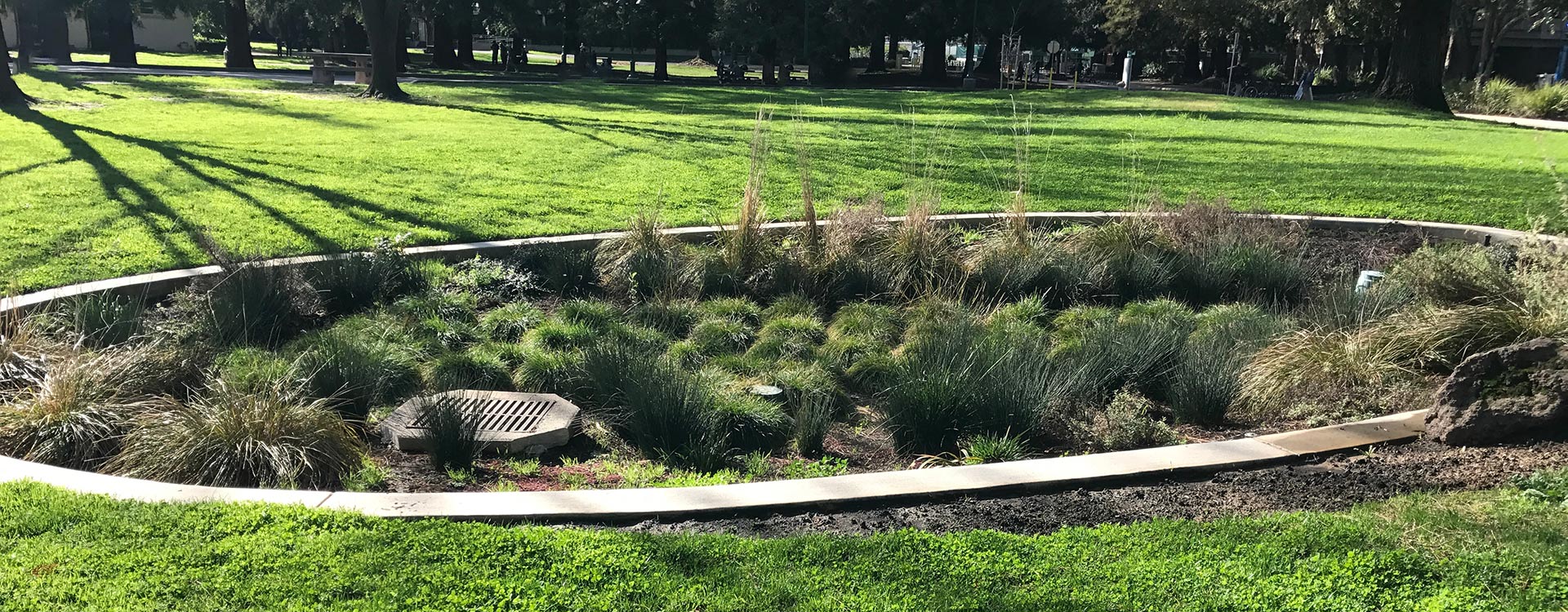
Other options include rain barrels, rain gardens, and native landscaping. These practices help slow runoff, improve infiltration, and support healthier waterways.
Even small changes can help reduce the amount of water entering storm drainage systems during storms.
Related Resources
Pet Owners
Picking up pet waste is one of the simplest ways to protect water quality.
Pet waste contains bacteria and nutrients that can be carried into storm drains during rain events. Leaving waste on lawns, sidewalks, parks, or trails increases the likelihood that it will eventually reach local waterways.
Always pick up after pets and dispose of waste properly.
Wildlife feeding can create similar challenges. Feeding ducks, geese, and other wildlife often increases concentrations of waste in areas near water, contributing to nutrient and bacteria concerns.
Related Resources
In the Winter
Stormwater doesn’t stop when temperatures drop.
Snowmelt can carry salt, sand, and other pollutants into local waterways. While deicing products are important for safety, using more than necessary can affect water quality.
Apply products carefully, follow label directions, and sweep up excess material after storms when practical.
Winter is also a good time to prepare for changing weather conditions.
Related Resources
Quick Checklist
Want to make a difference today?
✓ Pick up pet waste
✓ Keep leaves and grass clippings out of streets
✓ Sweep instead of hosing debris into gutters
✓ Use fertilizers carefully
✓ Fix vehicle leaks promptly
✓ Properly dispose of household chemicals
✓ Redirect downspouts to vegetated areas
✓ Consider a rain barrel or rain garden
✓ Keep storm drains clear of debris
✓ Never dump anything into a storm drain
Frequently Asked Questions
Can I blow leaves into the street?
No. Leaves and yard waste can wash into storm drains and contribute nutrients to local waterways.
Are grass clippings harmful to water quality?
Yes. As grass clippings break down, they release nutrients that can affect streams, lakes, and rivers.
Where should my downspouts drain?
Does washing my car in the driveway pollute waterways?
Yes. It is important to direct soapy, dirty wash water across your lawn to filter out the pollutants before the water reaches a storm drain.
Does my sump pump belong in the sanitary sewer?
What should I do with old paint or household chemicals?
Follow local disposal guidelines and use household hazardous waste collection programs when available.
Are rain barrels worth it?
Rain barrels can help reduce runoff and provide a source of water for gardens and landscaping.
Can rainwater from my roof be reused?
Yes – to water your lawn, wash your vehicle, or flush your toilet. Do not consume rainwater from your roof.
Explore Homeowner Stormwater Tips
Small actions on your property can make a big difference for local water quality. These articles provide practical tips for managing runoff, maintaining your yard, reducing pollution, and protecting nearby lakes, rivers, and groundwater.
Continue Learning
Many factors influence how stormwater moves through our community. Explore related topics to learn more about stormwater pollution, flooding and runoff, green infrastructure, and how local stormwater systems are managed.