
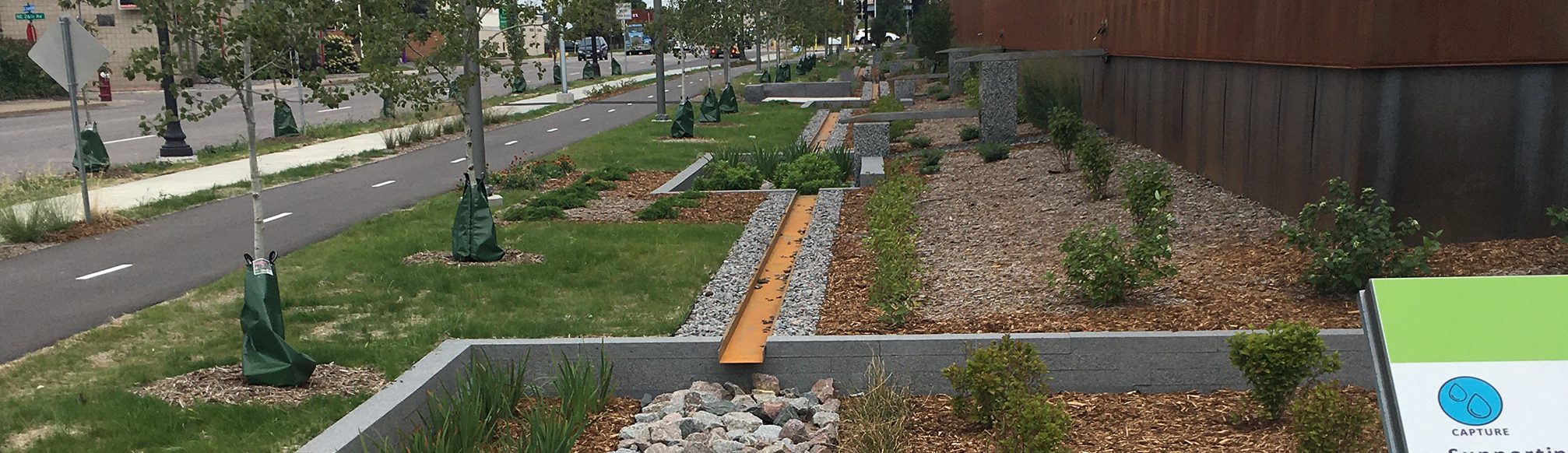
Green Infrastructure 101Working With Nature to Manage Stormwater
For generations, communities have relied on pipes, culverts, and channels to move water away as quickly as possible. Green infrastructure takes a different approach. It asks a simple question: What if water could be slowed down, filtered, stored, and put to work instead?
Nature has been managing water for thousands of years. Healthy soils, wetlands, trees, and native landscapes are infrastructure, too.
What Is Green Infrastructure?
Green infrastructure is a collection of practices designed to mimic natural water cycles.
Before communities were developed, rainwater soaked into prairies, wetlands, forests, and other natural landscapes. Today, many areas are covered by rooftops, roads, parking lots, and other hard surfaces that prevent water from soaking into the ground.
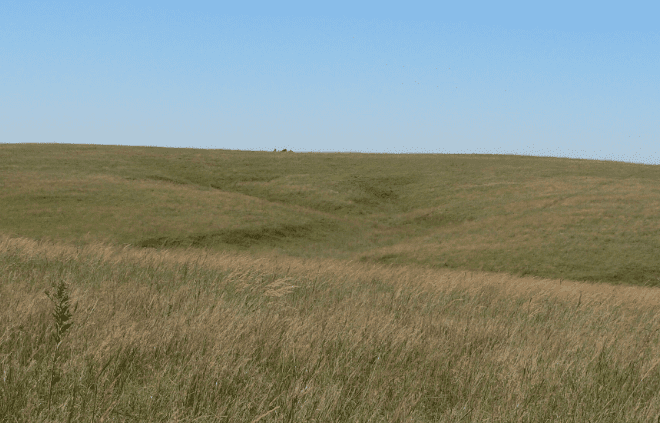
Nebraska before development
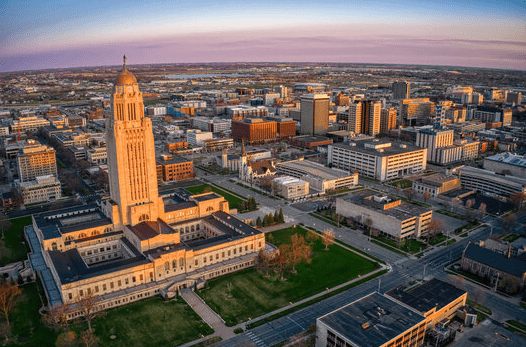
Nebraska now
Green infrastructure helps restore some of those natural processes by slowing runoff and allowing more water to infiltrate into the soil.
Instead of treating stormwater as a waste product to move away quickly, green infrastructure treats it as a resource that can benefit both communities and the environment.
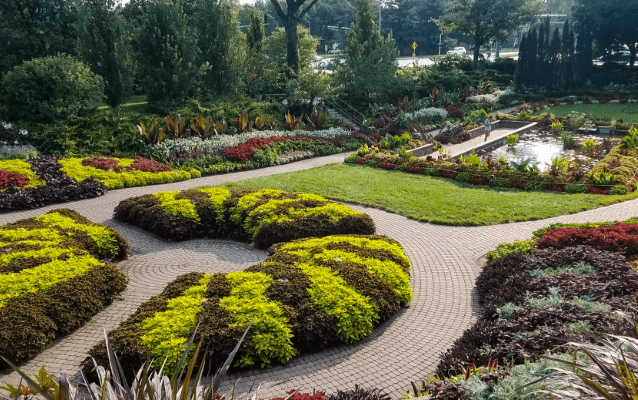
Rain gardens
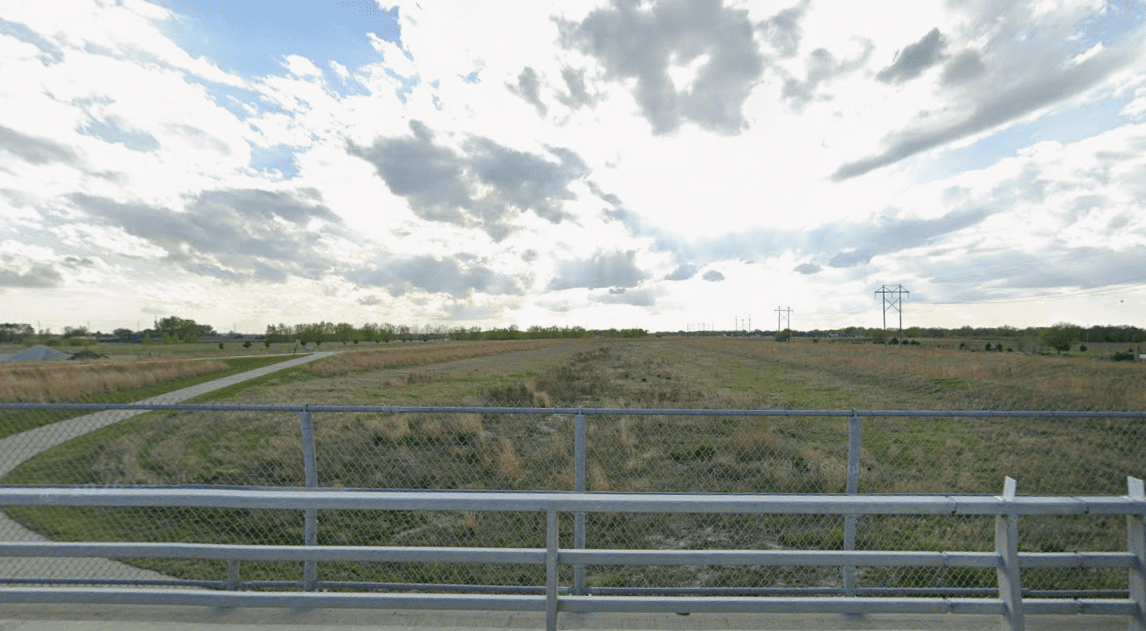
Vegetated bioswales
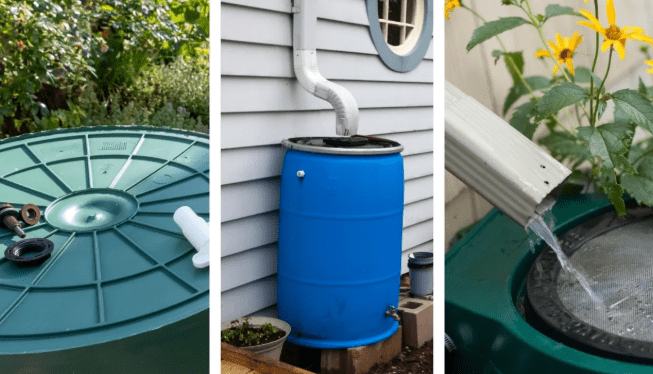
Rain barrels
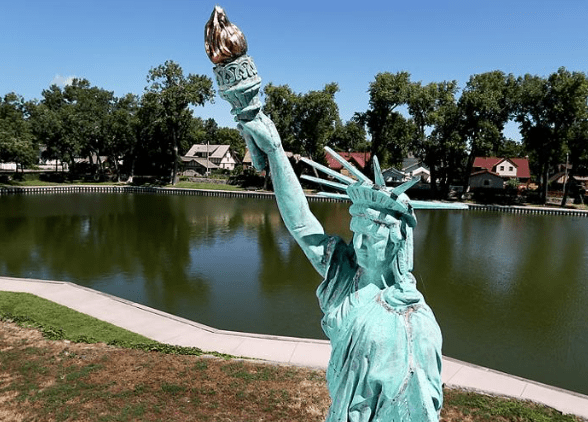
Stormwater ponds
Why Communities Use Green Infrastructure
Green infrastructure provides multiple benefits beyond stormwater management.
Improving Water Quality
As stormwater flows across developed areas, it can pick up sediment, nutrients, trash, and other pollutants. Green infrastructure helps filter these pollutants before they reach streams, rivers, and lakes.
Reducing Flooding
By slowing runoff and temporarily storing water, green infrastructure can reduce the amount of water entering storm drainage systems during storms.
Supporting Groundwater Recharge
Many green infrastructure practices allow water to soak into the ground. This process helps replenish groundwater supplies and supports the natural water cycle.
Creating More Livable Communities
Trees, plants, and green spaces can improve neighborhood appearance, provide wildlife habitat, reduce urban heat, and create more enjoyable public spaces.
Green vs. Gray Infrastructure
Traditional stormwater systems are often called gray infrastructure.
Gray infrastructure includes features such as:
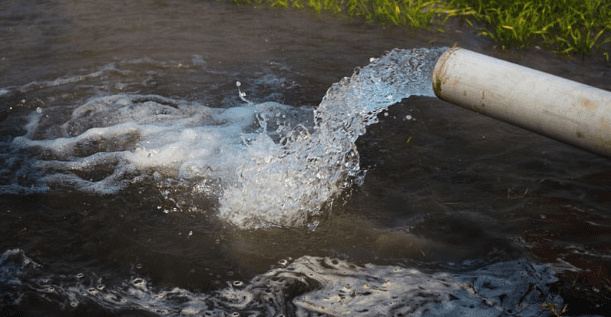
Storm sewer pipes
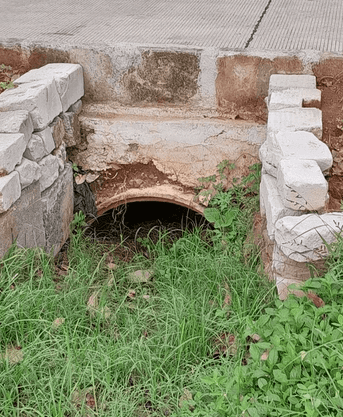
Culverts
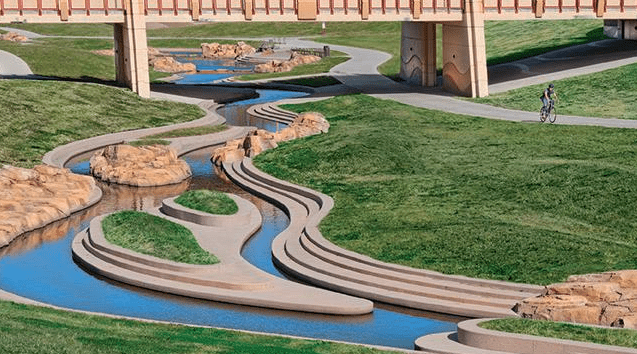
Concrete channels
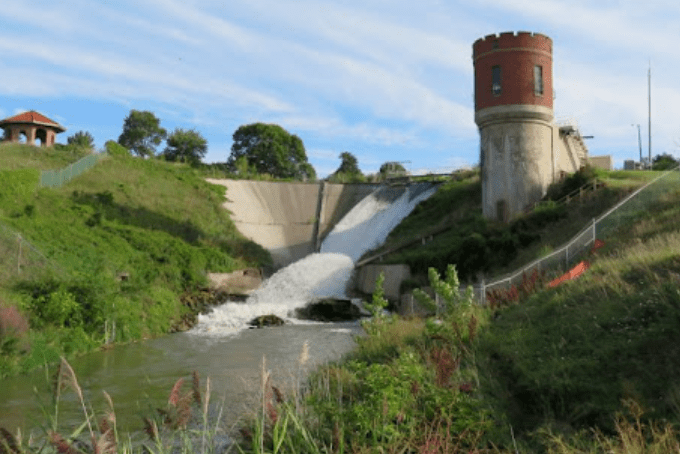
Drainage structures
These systems are designed to move water quickly away from developed areas.
Green infrastructure works differently. It focuses on slowing, filtering, and absorbing stormwater before it enters those systems.
Most communities use both approaches together. Green infrastructure complements gray infrastructure by reducing the amount of runoff entering traditional drainage systems.
Types of Green Infrastructure
Rain Gardens
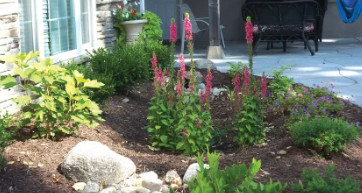
Rain gardens are shallow landscaped areas designed to collect and absorb stormwater runoff from rooftops, driveways, and other hard surfaces.
Related Resources
Trees
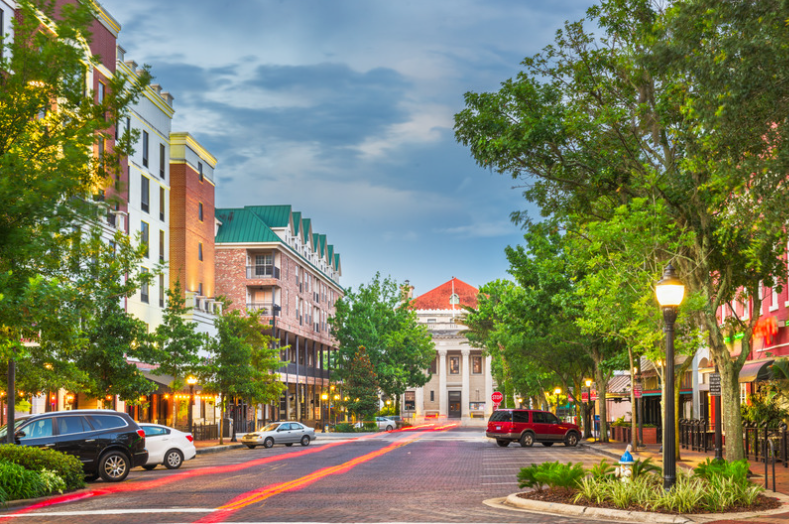
Trees intercept rainfall, cool communities, and improve the soil beneath our feet.
Related Resources
Healthy Soil
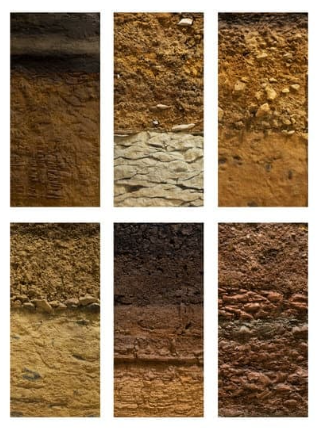
Healthy soils store water naturally and help reduce runoff before it ever reaches a storm drain.
Related Resources
Native Plants

Native plants support healthy waterways with deep roots that improve infiltration and reduce erosion.
Related Resources
Rain Barrels
Rain barrels collect runoff from rooftops and store it for later use.
Capturing rainwater at the source reduces runoff and provides water for gardens and landscaping.
Related Resources
Wetlands and Stormwater Ponds
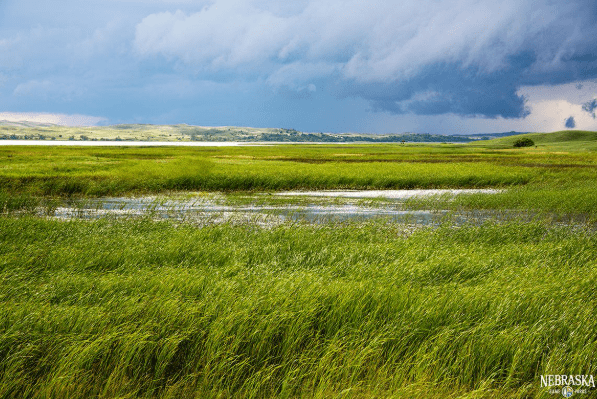
Constructed wetlands and multi-purpose ponds provide temporary storage for stormwater while allowing natural processes to improve water quality.
These systems can provide flood reduction, wildlife habitat, and recreational benefits.
Related Resources
How Green Infrastructure Helps Improve Water Quality
Green infrastructure helps remove pollutants by slowing water down and allowing natural filtration processes to occur.
Plants, soils, and microorganisms work together to capture sediment, absorb nutrients, and break down certain pollutants before they reach waterways.
This natural treatment process helps protect streams, rivers, and lakes.
How Green Infrastructure Helps Reduce Flooding
When rain falls on hard surfaces, runoff can quickly enter drainage systems and contribute to localized flooding.
Green infrastructure helps by:
-
- Capturing rainfall where it falls
- Slowing runoff
- Temporarily storing water
- Increasing infiltration
These practices reduce peak flows and help communities manage stormwater more effectively.
How Green Infrastructure Supports Groundwater Recharge
One of the most important benefits of green infrastructure is its ability to increase infiltration.
When water soaks into the ground, it becomes part of the natural groundwater system. This process helps sustain groundwater resources and supports long-term water availability.
By allowing more water to infiltrate, green infrastructure helps reconnect developed areas with the natural water cycle.
What Residents Can Do at Home
Many green infrastructure practices can be implemented on residential properties.
Homeowners can:
✓ Install rain barrels
✓ Look for opportunities to let water soak into your landscape
✓ Redirect downspouts to vegetated areas
✓ Plant native vegetation
✓ Create rain gardens
✓ Reduce unnecessary hard surfaces
✓ Maintain healthy soils and landscaping
Small projects can make a meaningful difference when adopted across a community.
Frequently Asked Questions
Is green infrastructure replacing storm sewers?
No. Green infrastructure is designed to complement traditional stormwater systems, not replace them.
Do rain gardens attract mosquitoes?
Properly designed rain gardens drain within a day or two and typically do not create mosquito breeding habitat.
Can green infrastructure reduce flooding?
Green infrastructure can help reduce runoff and lessen localized flooding, particularly when combined with traditional drainage systems.
Is green infrastructure only for large cities?
No. Green infrastructure can be used in communities of all sizes, including neighborhoods, schools, parks, and individual residential properties.
What is the difference between green and gray infrastructure?
Gray infrastructure moves water quickly through pipes and structures. Green infrastructure uses natural processes to slow, filter, and absorb stormwater.
Green Infrastructure in Action
Green infrastructure uses plants, soil, and natural processes to manage stormwater where it falls. These articles explore how rain gardens, native plants, wetlands, and other nature-based solutions can improve water quality, reduce flooding, and support healthier communities.
Continue Learning
Green infrastructure is one tool in a larger stormwater management system. Explore related topics to learn how stormwater moves through the community, what causes flooding and pollution, and how residents can help protect local waterways.