
Stormwater 101What is stormwater → Where it goes → Why it matters → What you can do
What Is Stormwater?
Stormwater is simply rain or melted snow that flows over the ground.
When precipitation lands on natural surfaces like soil, grass, or wetlands, much of it soaks into the ground. But when it falls on hard surfaces like roads, parking lots, rooftops, and driveways, it cannot soak in. Instead, it flows across the surface as runoff.
That flowing water is called stormwater.
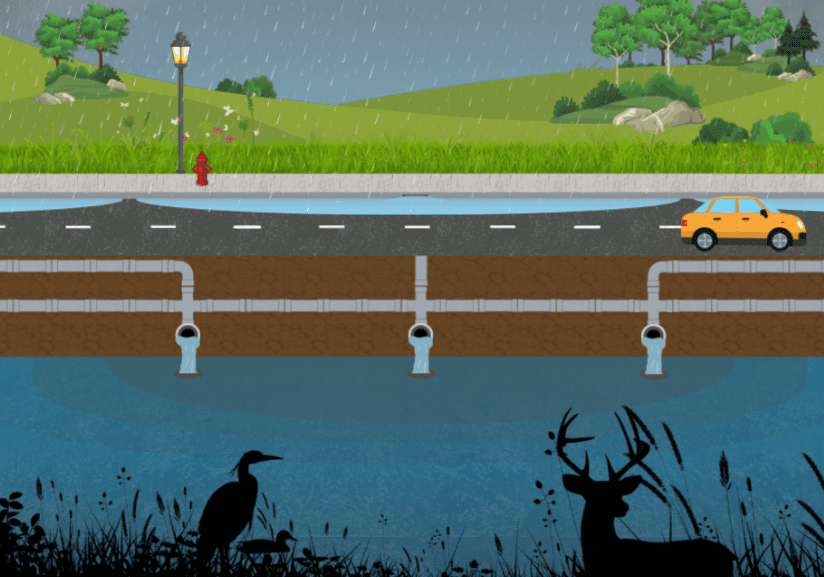
In Nebraska communities, stormwater does not flow into a treatment plant like wastewater. Instead, it moves through storm drains, ditches, and pipes and is released directly into local creeks, rivers, and lakes.
That means anything on the ground can be carried with it.
Leaves, litter, fertilizer, oil, pet waste, and sediment can all be picked up by stormwater and transported into nearby waterways.
This is why stormwater matters. It is not just rain—it is a transport system connecting our streets and neighborhoods directly to our rivers.
Stormwater in Everyday Life
You see stormwater every time it rains:
-
- Water flowing along curbs during a storm
- Puddles forming in parking lots
- Runoff moving from lawns into the street
- Water entering storm drains at intersections
All of this water is part of the same system.
Stormwater Is Not Treated
Unlike wastewater from sinks, toilets, and showers, stormwater is not cleaned before it enters the environment.
It flows directly to local waterways. That is why keeping pollutants off the ground is one of the most important ways to protect water quality. Learn more about how stormwater differs from wastewater.
Stormwater connects every neighborhood, street, and property in Nebraska to shared water resources. What we put on the ground today can end up in our rivers tomorrow.
Protecting water quality starts long before water reaches a storm drain—it starts where it falls.
Where Does Stormwater Go?
Once rain or snowmelt becomes stormwater runoff, it has to go somewhere. In most Nebraska communities, it follows a simple path: it moves downhill, enters storm drains, travels through pipes or ditches, and is released into nearby waterways.
Unlike water that goes down a sink or toilet, stormwater is not directed to a treatment plant. Instead, it becomes part of the natural water system almost immediately after it leaves streets, parking lots, and yards. Read about a raindrop traveling through town.

The Journey of a Raindrop
A single raindrop can travel a surprisingly long way once it becomes stormwater.
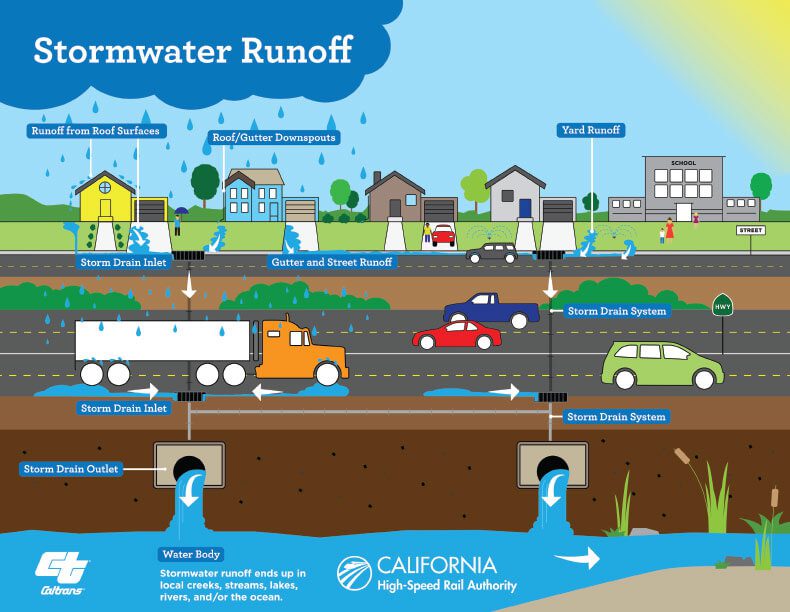
It may fall on a rooftop, flow into a gutter, and then into a downspout. From there, it may enter a driveway, reach the curb, and flow into a storm drain inlet. Once inside the system, it travels through underground pipes or open channels until it reaches a ditch, creek, or river.
From there, that same drop can continue downstream—connecting local neighborhoods to larger waterways across Nebraska and beyond.
Local Waterways First, Larger Systems Next
Stormwater typically enters nearby streams, creeks, or drainage channels before joining larger river systems. This means runoff from one neighborhood can influence water quality far downstream.
Why This Matters
Because stormwater moves so quickly from streets to waterways, anything carried along with it is also transported downstream. That includes:
- Sediment from construction sites or bare soil
- Fertilizer and nutrients from lawns
- Leaves and yard waste
- Trash and litter
- Oil and vehicle fluids
Once these materials enter the system, they are difficult or impossible to remove.
A Connected System
Stormwater systems are designed to move water away from streets efficiently to prevent flooding. But that efficiency also means everything connected to those systems is connected to local water quality.
In other words, what happens in one neighborhood does not stay in one neighborhood—it becomes part of a shared watershed.
Why Stormwater Matters
Stormwater is more than just rainwater moving through a city. It directly affects flooding, water quality, and the health of rivers and streams that communities across Nebraska rely on.
Because stormwater is not treated before it enters the environment, everything it carries from streets, lawns, and parking lots can end up in local waterways.
Water Quality Impacts
As stormwater flows over land, it can pick up pollutants such as nutrients, sediment, bacteria, and chemicals. When these materials enter creeks, rivers, and lakes, they can affect water quality in several ways:
-
- Excess nutrients can contribute to algae growth
- Sediment can cloud water and harm aquatic habitat
- Bacteria can affect recreation and water safety
- Chemicals can impact fish and other wildlife
Even small amounts of pollution from many properties can add up across an entire watershed. The EPA provides more on nutrient pollution.
Flooding and Drainage
Stormwater also plays a major role in flooding. When rain falls on natural landscapes, much of it soaks into the ground. But in developed areas, hard surfaces like roads, rooftops, and parking lots prevent infiltration.
This causes more water to run off quickly into storm systems at the same time. During heavy rainfall, this rapid flow can overwhelm drainage systems and contribute to localized flooding.
Downstream Effects
What happens in one community does not stay there. Stormwater from neighborhoods, commercial areas, and agricultural land all flows into shared waterways.
This means that local runoff can contribute to larger water quality challenges far downstream, including nutrient pollution and degraded aquatic ecosystems.
Why Small Actions Matter
Because stormwater systems collect runoff from large areas, even small actions at the individual level matter. A single yard, driveway, or street does not seem significant on its own, but together these areas make up the entire watershed. What’s on the ground is in our water.
Reducing pollution at the source is one of the most effective ways to protect water quality and reduce impacts on local waterways.
Our Water, Our Responsibility
Stormwater connects every property to shared water resources. Protecting those resources depends on everyday choices—because what enters stormwater today becomes part of our rivers tomorrow.
What Stormwater Carries
As stormwater moves across streets, parking lots, lawns, and other surfaces, it picks up whatever it flows over or around. Common sources of pollution include fertilizer, sediment, pet waste, vehicle fluids, litter, and yard waste. Because stormwater is not treated before entering local waterways, these materials are carried directly into creeks, rivers, and lakes.
Many of these pollutants come from everyday activities, which means most stormwater pollution starts at home, in neighborhoods, and in community spaces.
How Stormwater Systems Work
Stormwater systems are designed to move rain and snowmelt away from streets, buildings, and other developed areas to reduce flooding and improve safety. While the system is often out of sight, it plays an important role in every community.
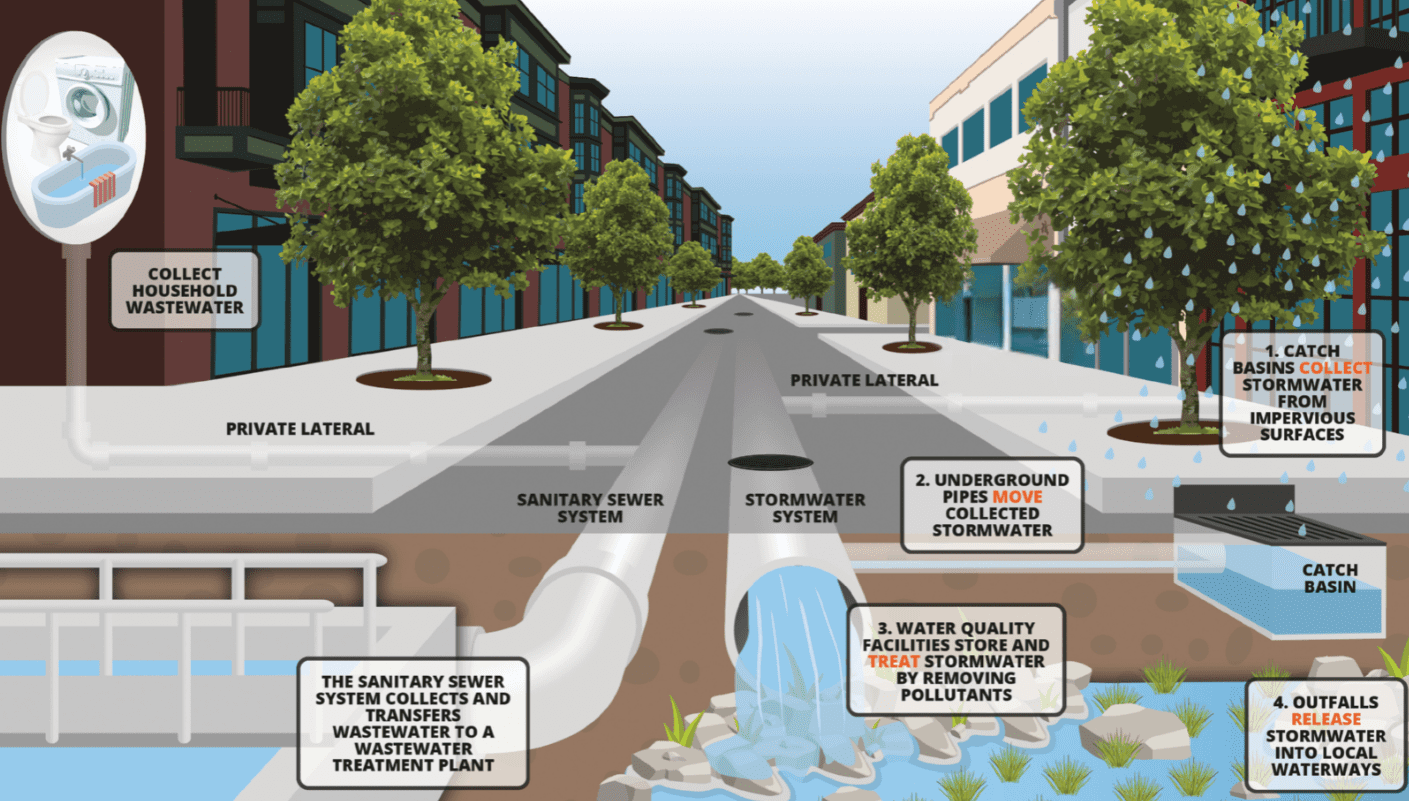
Unlike wastewater systems, stormwater systems do not treat water. Their primary function is to collect and convey runoff to nearby waterways as efficiently as possible.
From Streets to Storm Drains
In most neighborhoods, stormwater begins its journey at the curb or roadside. As water flows across streets and driveways, it enters storm drain inlets—those openings you see along curbs or in low areas of roads.
From there, the water enters a network of underground pipes or surface ditches designed to carry it away from developed areas.
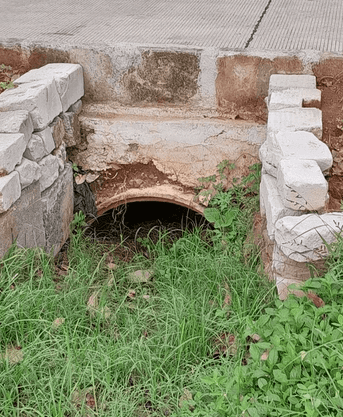
Pipes, Ditches, and Channels
Depending on the community, stormwater may travel through:
-
Underground storm sewer pipes
-
Open roadside ditches
-
Concrete channels or culverts
-
Natural drainageways and creeks
All of these systems are connected and designed to move water downhill toward larger bodies of water.
Why Stormwater Is Not Treated
Stormwater systems are different from wastewater systems. Wastewater from homes and businesses is sent to treatment facilities, where it is cleaned before being released back into the environment.
Stormwater, however, is not treated. It is designed to move quickly through the system to prevent flooding, which means any pollutants in the water go directly into receiving streams and rivers.
A Connected Network
Although stormwater systems may seem local, they are part of a larger connected network. Water leaving a neighborhood eventually joins creeks, rivers, and watershed systems that extend far beyond city limits.
This is why actions taken in one area can influence water quality downstream.
Green Infrastructure Solutions
Communities use both traditional infrastructure and green infrastructure to manage stormwater. Green infrastructure uses natural processes—such as plants, soil, and water storage—to slow runoff, improve infiltration, and protect water quality.
Green vs. Gray Infrastructure
Traditional stormwater systems—often called gray infrastructure—rely on pipes, culverts, and channels to move water quickly away from developed areas.
Green infrastructure works alongside these systems by slowing down runoff, reducing peak flows, and improving water quality before water reaches those pipes.
What Residents Can Do
Stormwater systems collect runoff from entire communities, which means small actions at home can have a big impact on local water quality.
Every property contributes to the larger watershed, so everyday choices help determine what ends up in local rivers and streams.
Residents help protect water quality by keeping pollutants off the ground, managing runoff on their property, and making choices that allow water to soak into the soil.
Why These Actions Matter
Stormwater systems do not treat water before it enters local waterways. This means prevention is the most effective tool available.
When many residents take small actions, the combined effect can significantly reduce pollution and improve water quality across the entire community.
Our Water, Our Responsibility
Protecting water quality is a shared effort. Every property, street, and neighborhood plays a role in determining the condition of local rivers and streams.
Frequently Asked Questions
Does rainwater cause pollution?
Rain itself is not pollution, but as stormwater moves across streets, lawns, and other surfaces, it can pick up pollutants along the way.
Why are storm drains important?
Storm drains help prevent flooding by moving water away from streets and buildings, but because they discharge untreated water, keeping pollutants out is important.
Are storm drains connected to the sanitary sewer?
No. In most communities, storm drains are separate from the sanitary sewer system. Storm drains carry rain and snowmelt directly to local waterways, while sanitary sewers carry wastewater from homes and businesses to treatment facilities.
Is stormwater treated?
No. Stormwater is not treated before it enters the environment. It flows through storm drains, pipes, and ditches and is discharged into nearby creeks, rivers, or lakes.
Why shouldn't I dump anything into a storm drain?
Storm drains lead directly to local waterways without treatment. Anything placed into a storm drain can quickly reach rivers and streams and may harm water quality, wildlife, and recreation.
Do storm drains lead to rivers?
Yes. Storm drains are designed to move water away from streets and developed areas and ultimately discharge into local waterways such as creeks, streams, and rivers.
Can my yard affect water quality?
Yes. Fertilizer, pet waste, grass clippings, bare soil, and other materials on your property can be carried away by stormwater.
Can grass clippings pollute water?
Yes. Grass clippings and leaves can contribute nutrients to waterways when they are washed into storm drains. As they break down, they can affect water quality and aquatic ecosystems.
What is a rain garden?
A rain garden is a shallow landscaped area designed to capture and absorb stormwater runoff. It helps reduce flooding, filter pollutants, and allow water to soak into the ground naturally.
Explore More Stormwater Topics
Stormwater connects to many aspects of our community, from flooding and water quality to infrastructure and everyday actions at home. Explore these related topics to learn more about how stormwater impacts your community and what you can do to help protect local waterways.