
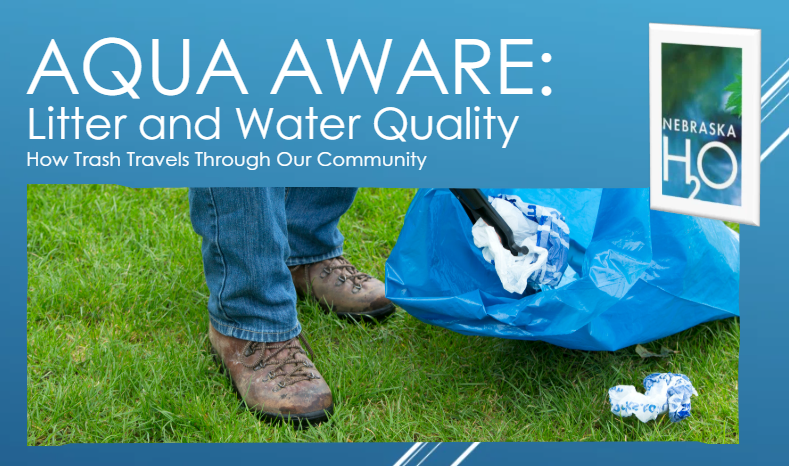
A piece of litter on the ground may seem harmless.
A wrapper caught in a gutter, a plastic bottle left in a parking lot, or a cup blowing across a sidewalk can become part of a much bigger problem when it rains.
Stormwater moves across streets, parking lots, and neighborhoods, picking up whatever is in its path. When litter reaches a storm drain, it can travel with that water to local streams, rivers, and lakes.
Keeping trash off the ground is one simple way to protect water quality.
How does litter become water pollution?
Storm drains are designed to carry rainwater away from streets and neighborhoods. In many communities, that water is not treated before it reaches local waterways.
As stormwater flows across hard surfaces, it can carry litter and other pollutants with it.
Common litter that can affect water quality includes:
-
- Plastic bottles and bags
- Food wrappers and containers
- Cigarette butts
- Disposable cups
- Paper products
- Pet waste bags
- Fishing line and other outdoor debris
Some items are easy to see, while others break down into smaller pieces that are harder to remove.
Why does litter matter?
Litter can affect waterways in several ways.
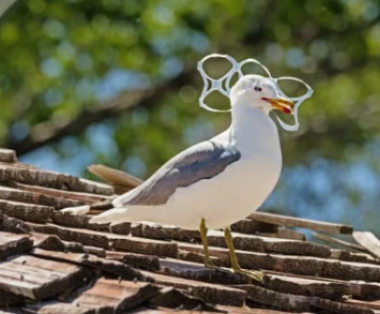
It harms wildlife
Animals may mistake trash for food or become trapped in plastic, fishing line, and other debris.
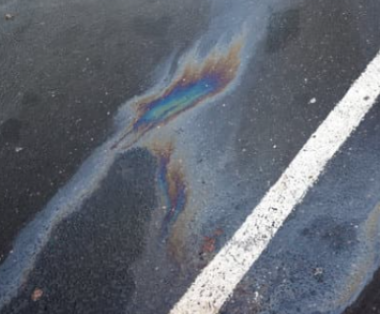
It carries pollutants
Trash can collect oil, bacteria, chemicals, and other contaminants from streets and parking areas before being carried away by stormwater.
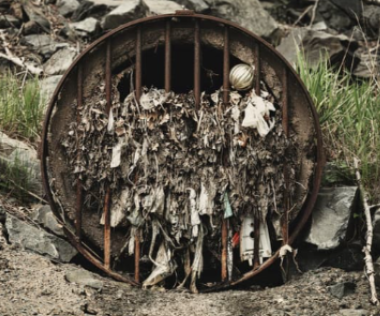
It creates drainage problems
Large amounts of debris can clog storm drains, inlets, or drainage channels, which can contribute to localized flooding.
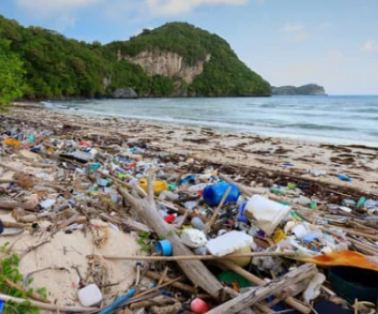
It becomes harder to remove over time
Once litter reaches a stream or river, cleanup becomes more difficult. Preventing trash from entering the stormwater system is much easier than removing it later.
Where does litter come from?
Litter can come from many everyday activities:
-
- Items accidentally dropped or blown away
- Unsecured trash containers
- Overflowing dumpsters
- Improper disposal of cigarette butts
- Outdoor events and recreation areas
- Trash left in vehicles or parking lots
Small actions by many people can add up to a cleaner community and healthier waterways.
What can you do?
Secure your trash
Make sure garbage bags, recycling, and outdoor containers are closed or covered so materials do not blow away.
Pick up litter when you see it
Removing a piece of trash before the next rainfall can prevent it from becoming stormwater pollution.
Keep storm drains clear
Do not sweep trash, leaves, or debris into the street or storm drain. Storm drains are designed for rainwater—not waste.
Reduce single-use items
Choosing reusable items when possible can reduce the amount of trash that has the opportunity to become litter.
Dispose of waste properly
The right place for trash is a garbage can, recycling bin, or approved disposal location.
Every piece makes a difference
Water quality is affected by what happens across our entire community.
The things we leave on sidewalks, streets, and parking lots can eventually reach local waterways through stormwater runoff.
Picking up litter may seem like a small action, but small actions across a community help protect Nebraska’s rivers, streams, and lakes.
Our Water, Our Responsibility
Looking for more ways to protect water quality?
Visit Prevent Pollution Around Your Home to explore other everyday actions that help reduce stormwater pollution.