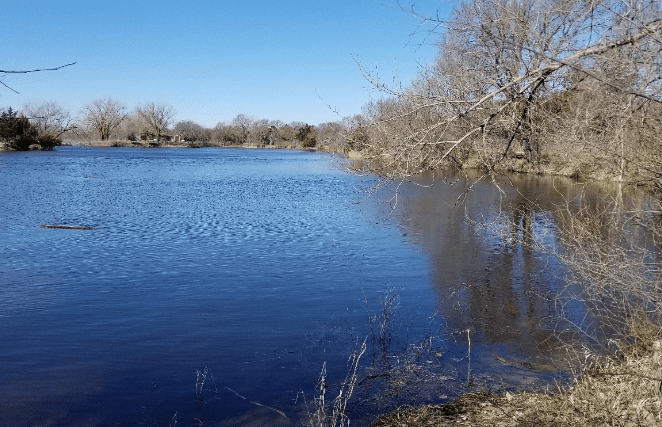
Parks are places to walk, fish, picnic, play, and enjoy the outdoors.
They’re also working behind the scenes every time it rains.
The trees, grass, ponds, wetlands, and open spaces found in many parks help slow stormwater, reduce flooding, and protect water quality. At the same time, some everyday activities can unintentionally create new challenges for the lakes and ponds we enjoy.
Parks are more than places to visit—they’re part of Grand Island’s stormwater system.
Green Space Has a Job to Do
Before rain reaches a storm drain, it often passes through parks and other open spaces.
That matters because soil and vegetation slow the water down.
Instead of rushing across pavement, rainfall has a chance to soak into the ground. Plants filter sediment, roots hold soil in place, and less runoff reaches nearby waterways all at once.
Every acre of green space helps restore part of the natural water cycle that roads, rooftops, and parking lots interrupt.
Parks Help Clean Stormwater
Many parks include features that improve water quality without most visitors ever noticing.
These include:
- Trees that intercept rainfall before it reaches the ground.
- Native grasses and shrubs that filter runoff.
- Vegetated shorelines that reduce erosion.
- Wetlands and low areas that temporarily store stormwater.
- Open space where water can soak into the soil instead of flowing directly into storm drains.
These natural features work alongside pipes, ditches, and detention basins to help manage runoff throughout the community.
Lakes and Ponds Need Our Help
Parks also concentrate people—and wildlife.
That can create water quality problems if we’re not careful.
One of the biggest challenges is excess nutrients entering the water.
Leaves, grass clippings, fertilizer, pet waste, and goose droppings all contain nutrients that wash into lakes and ponds during rainstorms.
Too many nutrients can lead to:
- Algae blooms
- Murky water
- Unpleasant odors
- Lower oxygen levels for fish
- Poorer overall water quality
None of these problems happen overnight. They build up over time as small amounts enter the water year after year.
Why Feeding Geese Matters
Feeding ducks and geese may seem harmless, but it changes how wildlife uses a park.
Birds gather where food is available. Larger flocks leave behind more waste, and much of it eventually washes into nearby ponds and lakes.
The result can be higher bacteria levels, more nutrients in the water, and increased algae growth.
Healthy wildlife populations depend on natural food sources—not handouts from visitors.
Pier Park and L.E. Ray
Grand Island’s parks provide good examples of both the opportunities and challenges of managing water quality.
Lakes such as those at Pier Park and L.E. Ray receive stormwater from surrounding neighborhoods. Native vegetation, open space, and shoreline buffers help filter runoff before it reaches the water.
At the same time, seasonal leaf fall, waterfowl, and everyday park use all contribute nutrients and organic matter that require ongoing management.
Protecting water quality in these parks is a continuous effort, not a one-time project.
What You Can Do
Every park visitor can help.
- Don’t feed ducks or geese.
- Throw trash in containers instead of leaving it behind.
- Keep grass clippings and leaves out of ponds and drainage areas.
- Stay on designated paths to protect shoreline vegetation.
- Join community cleanup events when you can.
Small actions repeated by thousands of visitors have a lasting impact.
Why It Matters
City parks are more than places to relax.
They help slow stormwater, reduce erosion, filter pollutants, provide wildlife habitat, and protect local waterways.
The way we care for these spaces influences the health of every pond, lake, creek, and river connected to them.
Healthy parks help create healthy water.
Our Water, Our Responsibility.
Related Links:
Looking for more ways to protect water quality?
Visit Prevent Pollution Around Your Home to explore other everyday actions that help reduce stormwater pollution.