
When people think about stormwater infrastructure, they usually picture pipes, culverts, storm drains, and detention ponds.
Trees don’t usually come up in that list. They should.
A healthy tree changes how water moves from the moment rain starts falling, and it keeps working long after the storm passes.

How Trees Slow Down Rainfall
Rain doesn’t hit the ground all at once when trees are present. It lands on leaves, branches, and bark first.
Some of that water never reaches the soil.
This is called interception.
Water caught in the canopy may evaporate, drip down slowly, or travel along branches and trunks before reaching the ground. Instead of a sudden surge, rainfall arrives in smaller doses spread out over time.
That delay matters. It softens the impact of a storm before runoff even begins.
Roots and Soil Movement
Above ground is only part of the story.
Below the surface, tree roots create structure in the soil—small channels and pathways that water can follow downward.
Where soil is compacted or paved, water moves sideways until it finds a drain. Around healthy root systems, more of it moves into the ground where it falls.
That shift reduces runoff and supports groundwater recharge at the same time.
Trees and Flood Reduction
One tree won’t change a flood map.
But trees across a neighborhood change how storms behave at scale.
Less water reaches storm drains at the same time. Peak flows flatten out. The system gets breathing room during heavy rain.
Stormwater infrastructure still does its job—but trees take pressure off the peaks that cause problems.

Water Quality Benefits
Stormwater picks up a lot on its way downhill—sediment, fertilizer, pet waste, grass clippings, litter.
Trees help interrupt that movement.
Slower runoff allows some sediment to settle before it reaches ditches or streams. Roots stabilize soil and reduce erosion. Canopy cover softens rainfall before it hits the ground, which helps limit how much gets carried away in the first place.
Less speed usually means less pollution in motion.
Cooling the Built Environment
Stormwater isn’t the only system trees influence.
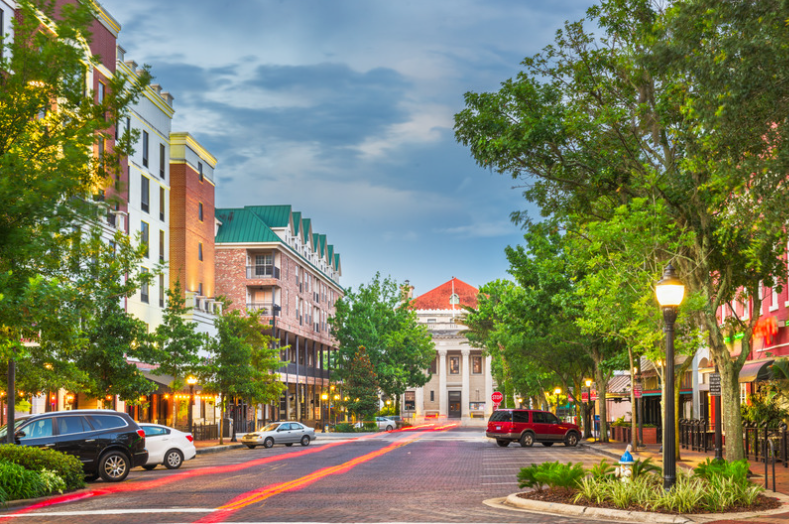
Shade changes surface temperatures fast—pavement, sidewalks, parking lots, even buildings.
That matters during summer heat. Cooler surfaces reduce stress on infrastructure and improve comfort in the spaces people actually use every day.
Right Tree, Right Place
Not every tree fits every location.
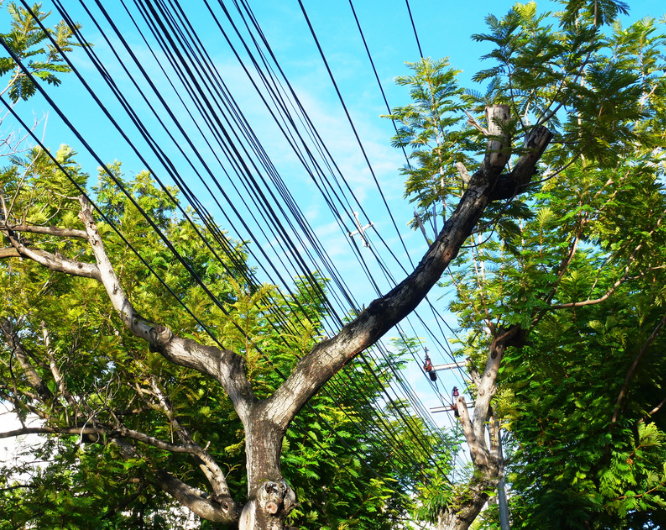
Mature size, soil conditions, utilities, and available space all matter more than how a tree looks when it’s first planted.
A well-placed small tree will outperform a poorly placed large one every time.
Long-term success starts with matching species to the site, not forcing the site to fit the tree.
Why It Matters
Stormwater systems are usually described in concrete terms—pipes, ponds, channels.
Trees don’t replace those systems. They work alongside them.
They slow water down, spread it out, and reduce how much pressure reaches engineered infrastructure during storms.
Sometimes the most effective stormwater tool isn’t built at all.
It grows.
From improving soil to capturing rainfall, every yard can play a role in protecting water quality.
Visit Healthy Lawns, Healthy Waterways to discover simple practices for creating a healthier, more water-friendly landscape.
Stormwater challenges change throughout the year.
Explore our Seasonal Stormwater Guide for practical information for managing rainfall, snow, ice, and seasonal activities around your home.