
Standing Water in Yards and Neighborhoods
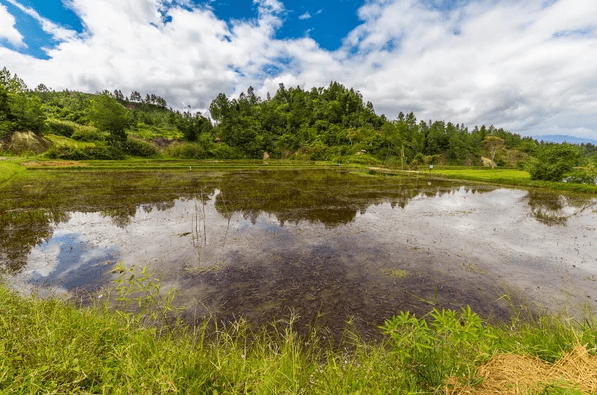
Standing water in yards, parks, or streets may seem harmless, but it can create serious water quality and public health issues.
Beyond attracting mosquitoes, stagnant water can contribute to algae growth, bacteria contamination, and pollution in nearby lakes, streams, and groundwater.
How Standing Water Affects Local Water Quality
1. Nutrient Accumulation
Water that doesn’t move can collect leaves, grass clippings, pet waste, and fertilizers, creating a nutrient-rich environment. These nutrients fuel algae blooms, which can reduce light and oxygen in the water and harm fish, aquatic insects, and plants.
2. Bacteria Growth
Geese and other wildlife contribute fecal bacteria to standing water. When water eventually drains to lakes like Suck’s Lake or Pier Park, these bacteria can affect odors, recreational water safety, and overall water quality.
3. Mosquito Breeding
Mosquitoes lay eggs in stagnant water, which can increase populations of biting insects in neighborhoods and parks. Some species can also transmit disease to humans and pets.
Common Sources of Standing Water
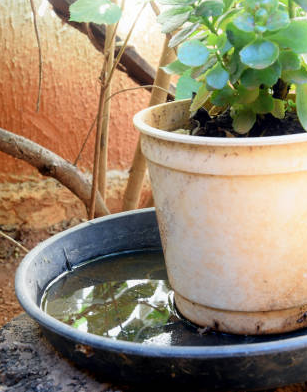
Containers and objects
- buckets, pots, toys
Landscaping and drainage
- low spots, poor grading
Infrastructure issues
- blocked storm drains, ditches
Even small puddles can accumulate nutrients, bacteria, and chemicals over time, eventually impacting connected waterbodies and groundwater.
How to Reduce Standing Water
In your yard:
-
-
-
- Drain or tip containers after rain
- Store buckets and toys upside down
- Fill low spots or improve grading
- Consider adding a rain garden to improve drainage
-
-
In your neighborhood:
-
-
-
-
Keep storm drains clear of debris
-
Report blocked inlets or persistent pooling
-
-
-
Around water bodies and parks:
-
-
-
-
Avoid feeding wildlife to reduce nutrient buildup
- Report standing water in public spaces
-
-
-
Why It Matters
Even small areas of standing water can affect water quality and public health. By reducing stagnant water, you:
-
-
lower the risk of algae blooms and bacterial contamination in lakes and rivers
-
protect aquatic life and groundwater quality
-
reduce mosquito breeding, making parks and yards safer and more enjoyable
-
Managing standing water helps protect both public health and local water quality.
Small changes at home and in public spaces make a measurable difference.
Our Water, Our Responsibility.