
Images courtesy of City of Linclon. All rights reserved.
Build Your Own Rain Barrel
A rain barrel is one of the simplest ways to reduce stormwater runoff while putting rainwater to work around your home.
Instead of allowing roof runoff to flow across driveways, sidewalks, and streets, a rain barrel captures water from your downspout for later use. That stored water can irrigate gardens, flower beds, trees, shrubs, and container plants while reducing demand on the municipal water supply.
Rain barrels won’t eliminate flooding or capture every drop during a major storm, but they are an inexpensive first step toward managing rain where it falls.
Why Use a Rain Barrel?
A typical home produces far more runoff than most people realize.
Just one inch of rain falling on a 1,200-square-foot roof produces about 750 gallons of water.
Most residential rain barrels hold between 50 and 80 gallons, meaning they’ll fill quickly during many storms.
Even though a barrel captures only a portion of the runoff, every gallon stored is one less gallon flowing toward the storm drain.
Benefits include:
-
- Conserving drinking water
- Reducing stormwater runoff
- Lowering outdoor water use
- Providing chlorine-free water for many plants
- Helping reduce erosion around foundations
Choose the Right Location
The easiest place to install a rain barrel is beneath an existing downspout.
Look for a location that:
-
- Receives runoff from a large section of roof
- Is close to gardens or landscaping
- Has level ground
- Allows excess water to overflow safely away from the foundation
- Is easy to access with a watering can or hose
Avoid placing rain barrels where overflow could create standing water near your home.
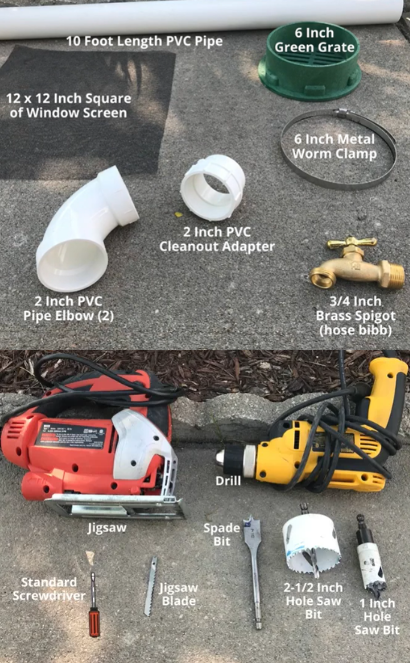
Materials You'll Need
Most DIY rain barrels use:
-
- Food-grade plastic barrel (50–80 gallons)
- Hose spigot
- Bulkhead fitting or rubber gasket
- Overflow fitting
- Flexible overflow hose
- Fine mesh screen
- Downspout diverter or modified downspout
- Concrete blocks or sturdy stand
Many hardware stores sell rain barrel kits that include most of these components.
Step 1: Prepare the Barrel
Before installing fittings:
-
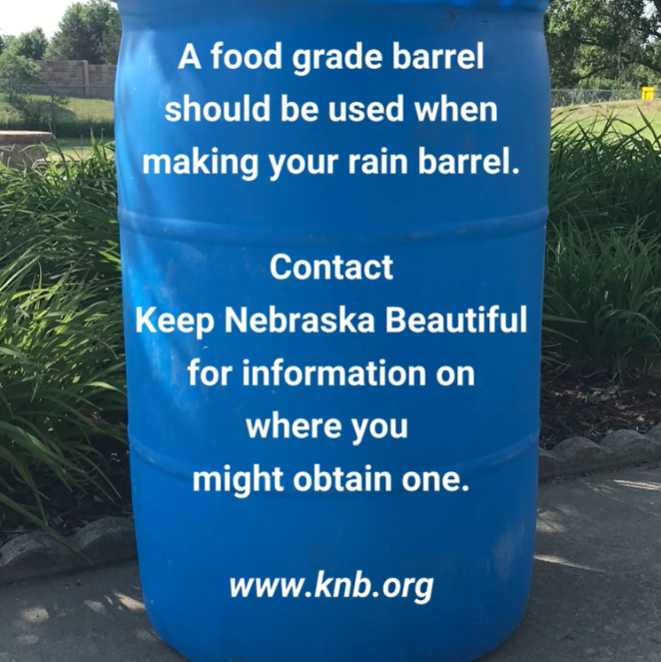
- Wash the barrel thoroughly.
- Never use containers that previously stored hazardous chemicals.
- Inspect for cracks or damage.
A food-grade barrel is the safest option.
Step 2: Install the Spigot
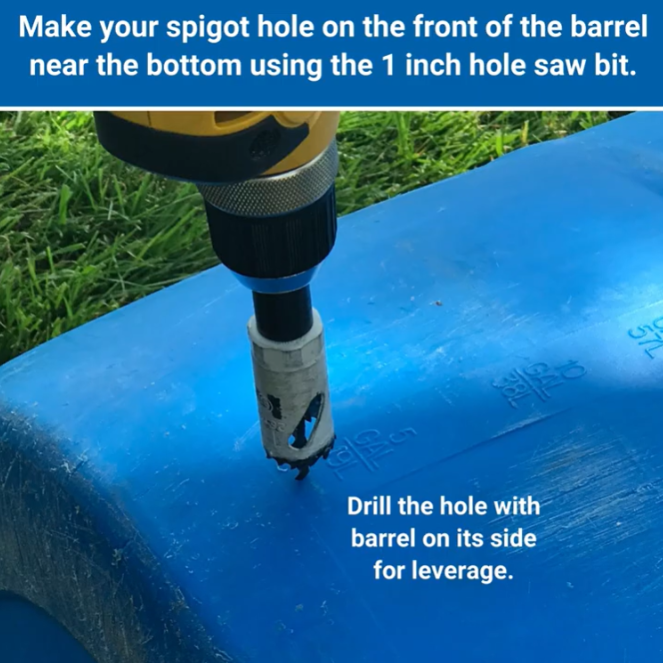
Install the hose spigot several inches above the bottom of the barrel.
Leaving space below the outlet allows sediment to settle without clogging the faucet.
Seal the fitting tightly to prevent leaks.
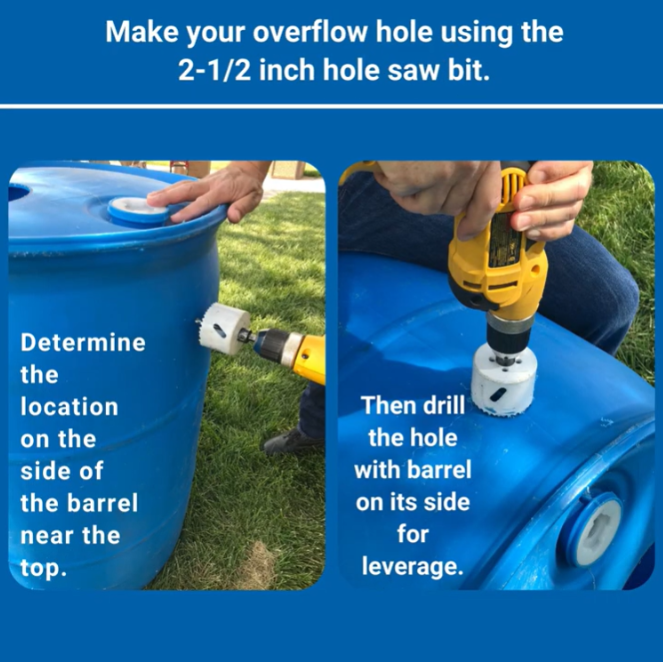
Step 3: Install an Overflow
An overflow outlet is one of the most important parts of a rain barrel.
Once full, additional rainfall must have somewhere to go.
Connect the overflow to:
-
- Another rain barrel
- A rain garden
- A vegetated area
- A splash block
- An extension that directs water away from the house
Never allow overflow to discharge against the home’s foundation.
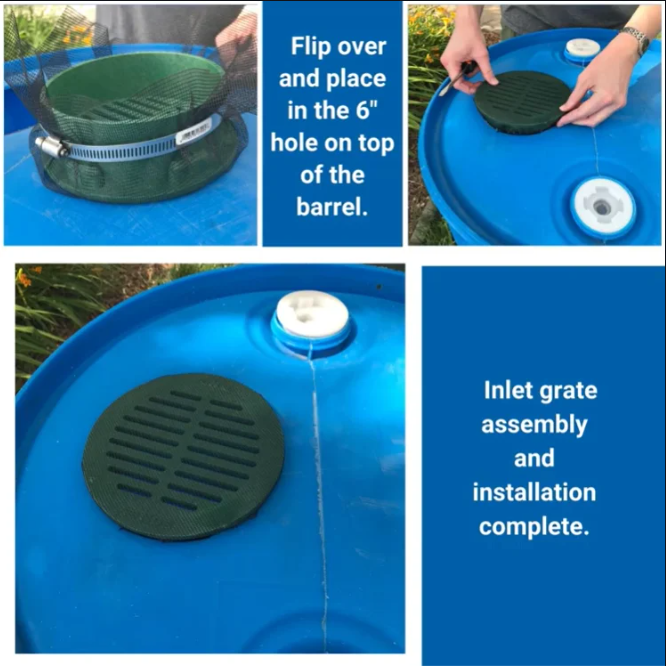
Step 4: Screen the Opening
Cover every opening with fine mesh screening.
This helps keep out:
-
- Mosquitoes
- Leaves
- Seeds
- Twigs
- Debris
A tightly screened barrel stores cleaner water and requires less maintenance.
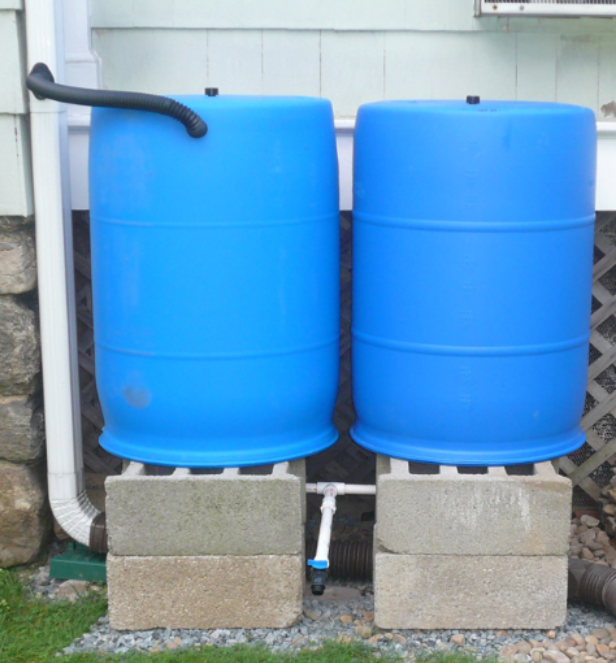
Step 5: Raise the Barrel
Most watering cans won’t fit beneath a barrel sitting directly on the ground.
Place the barrel on a sturdy platform made from:
-
- Concrete blocks
- Landscape blocks
- A manufactured stand
Raising the barrel also increases water pressure.
Always build on level, stable ground.
Remember that a full 55-gallon barrel weighs over 450 pounds.
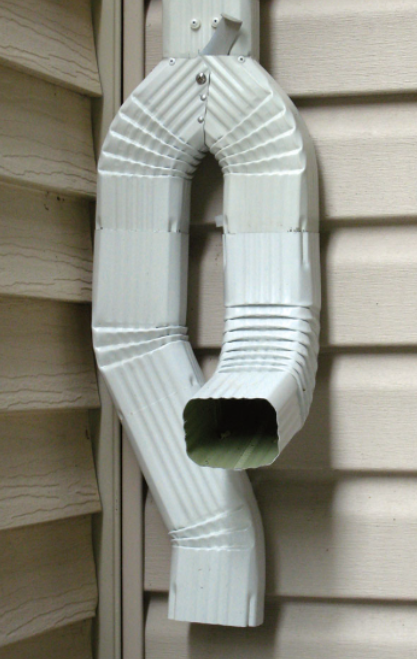
Step 6: Connecting the Downspout
Most installations require shortening the existing downspout.
Water can then be directed into the barrel using:
-
- A flexible elbow
- A downspout diverter
- A short extension
Many commercial diverters automatically return water to the downspout once the barrel is full.
What Can You Use The Water For?
Safe
Rain barrel water works well for:
-
- Flower beds
- Trees
- Shrubs
- Native plantings
- Vegetable gardens (soil watering only)
- Lawns
- Outdoor containers
Rainwater is naturally soft and contains no chlorine, making it ideal for many landscape plants.
Not Safe
Avoid using rain barrel water for:
-
- Drinking
- Cooking
- Bathing
- Filling swimming pools
- Watering edible plants with overhead sprinklers
- Inside your home unless connected to a properly designed non-potable plumbing system
Roof runoff may contain bird droppings, bacteria, dust, roofing particles, and other contaminants.
Winter Maintenance
Nebraska winters require a little preparation.
Before freezing weather:
-
- Empty the barrel completely.
- Disconnect it from the downspout if necessary.
- Store it upside down or indoors if possible.
- Reconnect the downspout so winter runoff drains normally.
Water left inside can freeze and crack the barrel.
Seasonal Maintenance
Check your rain barrel several times each year.
Maintenance includes:
-
- Cleaning leaves from screens
- Checking fittings for leaks
- Flushing sediment from the bottom
- Cleaning the inside annually
- Inspecting overflow hoses
- Confirming water drains away from the foundation
A properly maintained rain barrel can last for many years.
Pair Rain Barrels with Other Stormwater Practices
Rain barrels work even better when combined with other practices that slow and absorb runoff.
Consider pairing your rain barrel with:
-
- Rain gardens
- Native landscaping
- Healthy soils
- Trees
- Permeable walkways
- Downspout extensions
Together, these practices help keep more water where it falls.
Dos and Don'ts
Do
-
- Install on a sturdy, level base.
- Use a screened lid.
- Direct overflow away from your foundation.
- Empty before winter.
- Clean annually.
- Use captured water regularly.
Don’t
-
- Drink stored rainwater.
- Leave openings uncovered.
- Allow overflow to create erosion.
- Install beneath damaged gutters.
- Place the barrel where it could help someone enter your home.
- Assume one barrel captures all roof runoff.
Why It Matters
Rain barrels are a simple form of green infrastructure.
They reduce runoff, conserve drinking water, and help homeowners manage stormwater one storm at a time. While a single barrel won’t eliminate runoff from every storm, thousands of rain barrels across a community can collectively reduce the amount of water entering storm drains while putting rainfall to beneficial use.
Sometimes protecting our waterways starts with simply catching the rain before it reaches the street.
Our Water. Our Responsibility.
From improving soil to capturing rainfall, every yard can play a role in protecting water quality.
Visit Healthy Lawns, Healthy Waterways to discover simple practices for creating a healthier, more water-friendly landscape.