
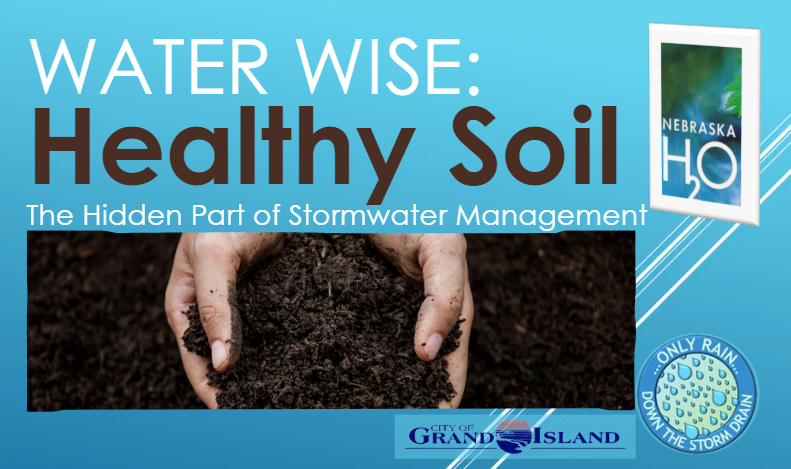
When people picture stormwater infrastructure, they usually imagine storm drains, pipes, ditches, or detention ponds.
Few people think about what’s under their feet.
But healthy soil may be one of the most valuable pieces of stormwater infrastructure in any community.
It doesn’t have moving parts. It doesn’t need electricity. Most people never notice it.
Yet every time it rains, healthy soil quietly goes to work.
Every Raindrop Has a Decision to Make
When rain reaches the ground, one of two things happens.
It either soaks into the soil…
or it runs off.
The more water that infiltrates, the less water races toward streets, storm drains, and waterways.
Healthy soil tips the odds in favor of infiltration.
Soil Is More Like a Sponge Than a Bucket
It’s easy to think of soil as solid ground.
It isn’t.
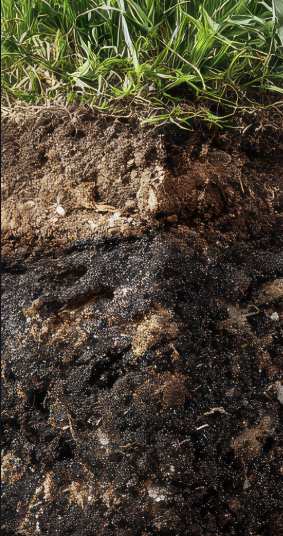
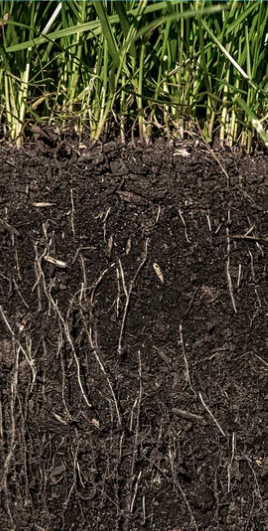
Healthy soil is full of tiny spaces between mineral particles, roots, insects, and organic matter. Those spaces store both air and water, giving rainfall somewhere to go.
Picture a brand-new kitchen sponge.
Pour water onto it and the sponge eagerly soaks it up.
Healthy soil behaves much the same way.
That natural storage helps:
- Reduce runoff.
- Ease localized flooding.
- Filter pollutants.
- Recharge groundwater.
- Supply water to plants long after the rain ends.
Why Some Lawns Stay Wet
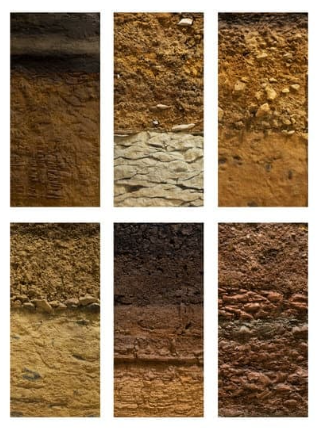
Not all soil can absorb water at the same rate.
Much of Grand Island sits on loam or sandy loam soils, which naturally balance drainage and moisture retention. Given the chance, these soils do an excellent job of soaking up rainfall.
The problem usually isn’t the soil itself.
It’s what we’ve done to it.
Compaction Changes Everything
Imagine stepping on that kitchen sponge.
The harder you squeeze it, the less water it can hold.
Compacted soil behaves the same way.
Construction equipment, parked vehicles, repeated foot traffic, and years of mowing gradually press soil particles together. As those tiny spaces disappear, rain has fewer places to go.
Instead of soaking in, more water stays on the surface and becomes runoff.
Signs of compacted soil are often easy to spot:
- Water that ponds after a storm.
- Lawns that stay muddy.
- Thin or struggling grass.
- Soil that’s difficult to dig, even when it’s moist.
Sometimes the biggest stormwater problem isn’t above ground at all.
Roots Are Doing More Than Feeding Plants
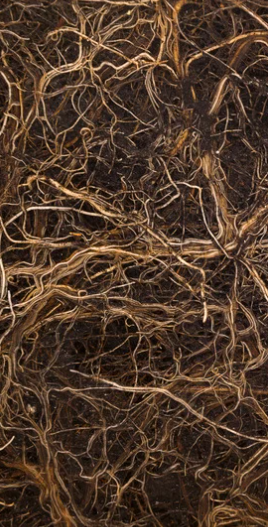
Healthy roots don’t just anchor plants.
They build the soil.
As roots grow, they create channels that help water move deeper into the ground. When older roots die, those pathways remain, making it even easier for future rainfall to infiltrate.
That’s one reason native grasses, trees, and deep-rooted plants are so valuable.
They improve the ground beneath them year after year.
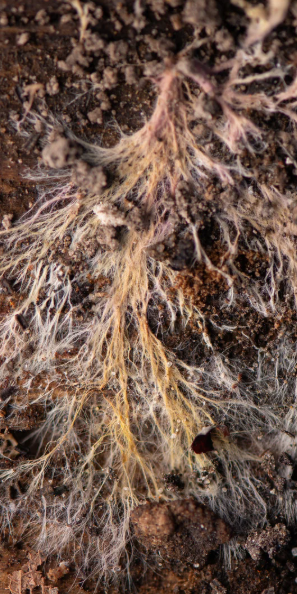
Organic Matter Is the Secret Ingredient
Leaves.
Compost.
Decaying roots.
Tiny organisms.
All of these become organic matter, and healthy soil depends on it.
Organic matter helps soil hold moisture without becoming waterlogged. It feeds earthworms and microbes, improves soil structure, and makes the ground more resistant to compaction.
It’s one of the simplest ways to build healthier soil over time.
Simple Ways to Improve Soil Health
Healthy soil develops over time, but small changes can make a noticeable difference. Homeowners can improve soil structure, increase water absorption, and create landscapes that are better prepared for rainfall.
Add Organic Matter
Adding compost and other organic materials helps improve soil structure and increases the amount of water soil can hold.
Organic matter gives soil a better balance of air, water, and nutrients, helping plants grow stronger while allowing more rainfall to soak into the ground.
Leave Grass Clippings on the Lawn
Grass clippings are a natural source of nutrients and organic material.
When lawns are mowed regularly, small clippings break down quickly and return nutrients to the soil. Keeping clippings on the lawn can reduce the need for additional fertilizer while helping maintain healthy soil.
Keep grass clippings out of streets and storm drains where they can contribute nutrients and organic matter to stormwater runoff.
Reduce Soil Compaction
Compacted soil has fewer spaces for water to move through.
Avoid unnecessary traffic on wet soil, especially during construction or landscaping projects. Areas with heavy foot traffic, vehicle use, or construction activity may need additional attention to improve water infiltration.
Aerate Compacted Areas
Aeration creates small openings in compacted soil, allowing water, air, and nutrients to reach plant roots more easily.
For lawns with persistent drainage problems, thin grass, or hard soil, aeration may help improve soil conditions over time.
Choose Plants That Support Healthy Soil
Plants are an important part of the soil system.
Trees, shrubs, grasses, and native plants create root networks that help hold soil in place, improve soil structure, and create pathways for rainfall to move into the ground.
A landscape with a variety of plants often requires less water and is better able to handle changing weather conditions.
Helping Your Soil Work Better
Healthy soil isn’t something you’re born with. It’s something you build.
A few simple practices make a noticeable difference:
- Leave grass clippings on the lawn.
- Add compost to planting beds.
- Avoid driving or parking on wet soil.
- Aerate compacted lawns when needed.
- Plant trees, native grasses, and other deep-rooted vegetation.
- Keep bare soil covered whenever possible.
None of these changes happens overnight.
But each season, healthier soil absorbs a little more rain and sends a little less water rushing toward the nearest storm drain.
From improving soil to capturing rainfall, every yard can play a role in protecting water quality.
Visit Healthy Lawns, Healthy Waterways to discover simple practices for creating a healthier, more water-friendly landscape.
Healthy Soil Helps Protect Water Quality
Healthy soil does more than help plants grow—it also helps protect local waterways.
When soil cannot absorb rainfall, water moves across yards, driveways, and streets as runoff. As runoff travels, it can pick up sediment, fertilizer, grass clippings, pet waste, and other pollutants before reaching storm drains, streams, rivers, and lakes.
Improving soil health helps keep water where it belongs: in the landscape. When rainfall soaks into healthy soil, plants can use that water, pollutants are more likely to stay out of waterways, and the amount of runoff leaving a property can be reduced.
Healthy soil is one of the first steps homeowners can take to manage stormwater and protect Nebraska’s water resources.
Why It Matters
Stormwater management doesn’t begin at the curb.
It begins where the first raindrop hits the ground.
Pipes, ditches, ponds, and storm drains all have important jobs, but the most effective place to manage rainwater is before it ever becomes runoff.
Healthy soil does that naturally.
It’s easy to overlook because you rarely see it working.
Then again, the best infrastructure often goes unnoticed.
Our Water. Our Responsibility.