
A Beautiful Way to Manage Stormwater at Home
Watch your driveway during the next rainstorm.
Water races across the pavement, down the curb, and toward the nearest storm drain. Along the way, it can pick up dirt, fertilizer, oil, pet waste, and other pollutants before eventually reaching local waterways.
A rain garden gives that water another option.
Instead of rushing away, it slows down, soaks into the ground, and is naturally filtered by the soil. It’s one of the simplest ways homeowners can reduce runoff while adding beauty to their landscape.
What Is a Rain Garden?
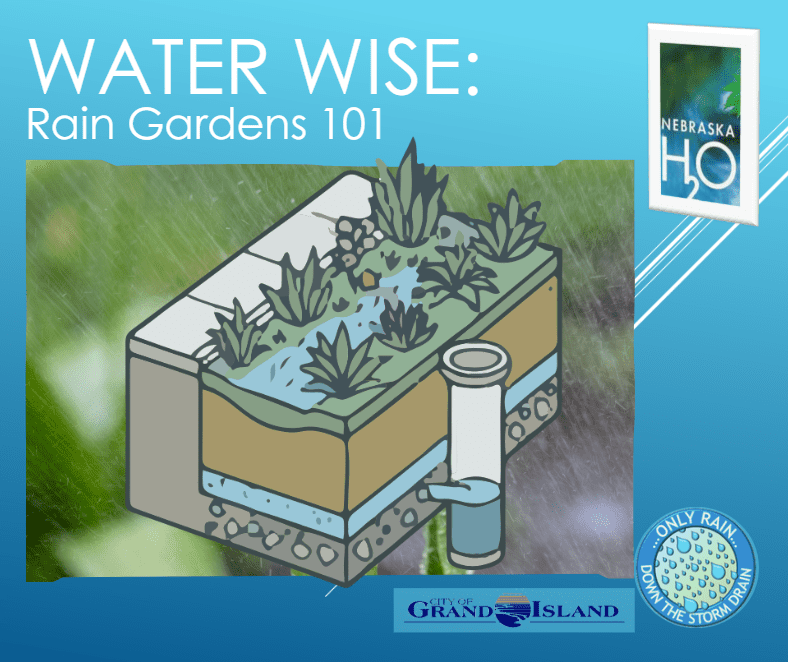
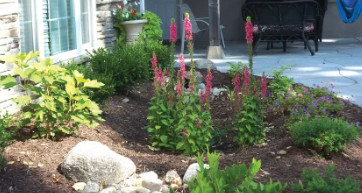
A rain garden is a shallow, landscaped area designed to collect runoff from roofs, driveways, patios, and other hard surfaces.
Unlike a pond, it isn’t meant to hold water for long. After a rain, water temporarily collects in the garden before soaking into the soil, usually within 24 to 48 hours.
That slow infiltration helps recharge groundwater while keeping more stormwater out of streets, storm drains, and nearby waterways.
Rain gardens are typically planted with native flowers, grasses, sedges, and shrubs that thrive in both wet and dry conditions.
Why They Work
A rain garden does much more than collect water.
As runoff slows, sediment settles out instead of washing into storm drains. The soil and plant roots filter many pollutants before they can reach local lakes and streams. More water soaks into the ground, reducing runoff while helping replenish groundwater supplies.
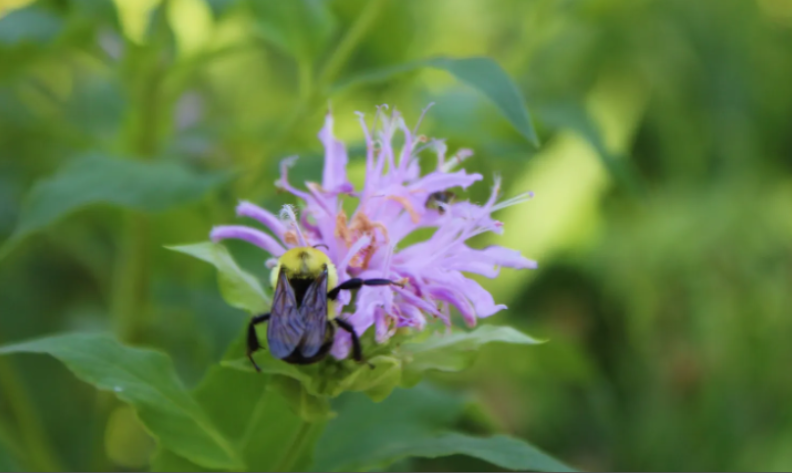
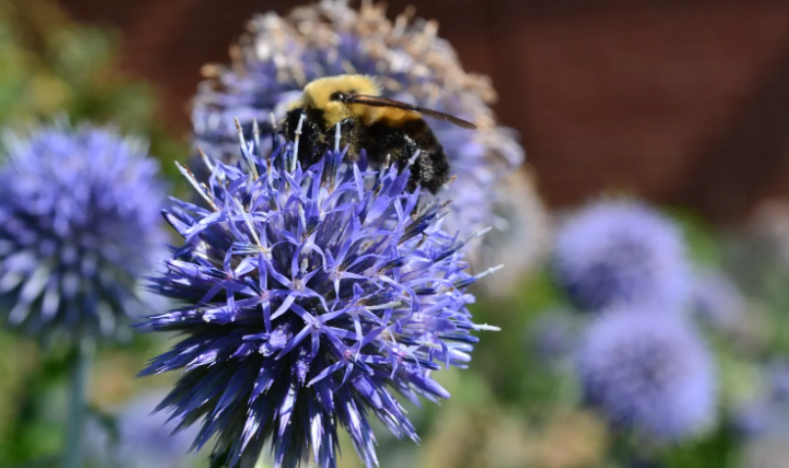
The deep roots of native plants also stabilize the soil, reducing erosion and creating habitat for bees, butterflies, and other pollinators.
One small planting can provide benefits long after the rain has stopped.
Choosing the Right Location
The best rain gardens are placed where water naturally wants to go.
Good locations include:
-
- Below roof downspouts.
- Near driveways or patios.
- At the base of a gentle slope where runoff naturally collects.
Avoid areas that stay wet for days at a time or locations close to building foundations or septic systems.
Before installing a rain garden, watch your yard during a rainfall. You may discover natural drainage patterns you hadn’t noticed before.
What Should You Plant?
Native plants are usually the best choice.
Because they’re adapted to Nebraska’s climate, they develop deep root systems, tolerate both wet and dry conditions, and generally need less watering once established.
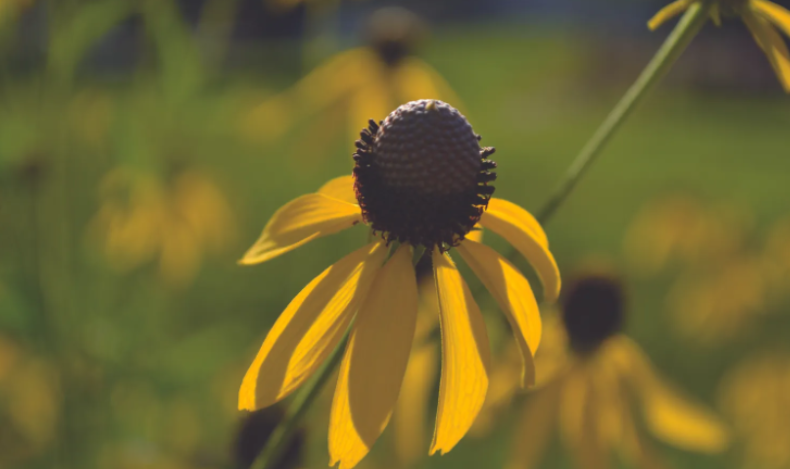
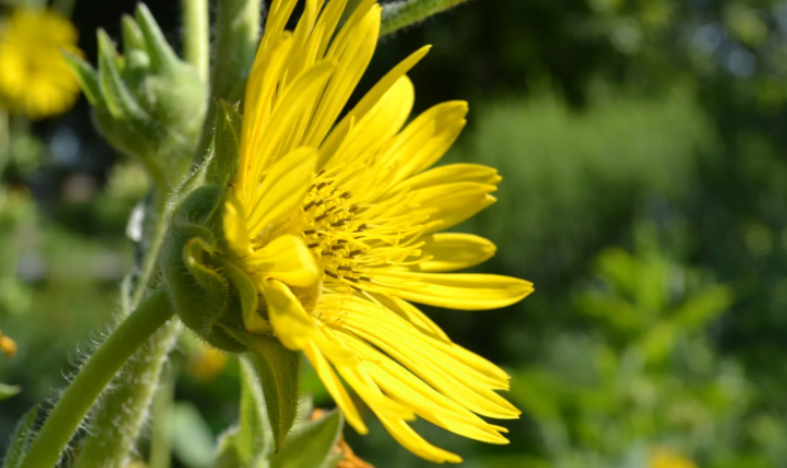
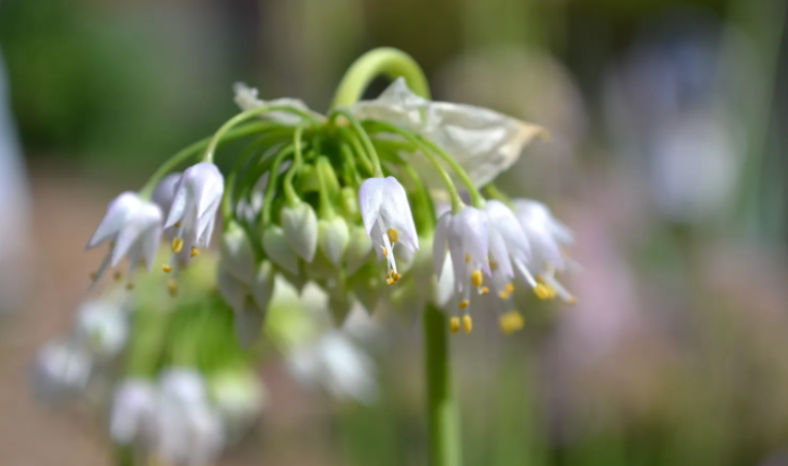
Prairie grasses, wildflowers, sedges, and native shrubs all make excellent additions to a rain garden while providing food and habitat for pollinators.

Are Rain Gardens Mosquito Breeding Areas?
Nope.
A properly designed rain garden drains within 24 to 48 hours after a storm. Mosquitoes typically need standing water for several days to complete their life cycle.
In fact, rain gardens help reduce standing water by encouraging infiltration rather than allowing water to remain in puddles throughout a yard.
Getting Started
Building a rain garden doesn’t have to be complicated.
Start by identifying where runoff naturally flows across your property. Estimate how much area drains to the location, choose plants suited to the site, and always contact utility locating services before digging.
Even a modest rain garden can make a noticeable difference.
Every Yard Can Help
You don’t need a large property to improve stormwater management.
You can help by:
-
- Redirecting downspouts toward landscaped areas where appropriate.
- Installing a rain garden where runoff naturally collects.
- Planting native species with deep root systems.
- Reducing the amount of stormwater leaving your property.
- Sharing what you’ve learned with neighbors and community groups.
One rain garden won’t eliminate flooding across Grand Island, but thousands of small improvements across the community can reduce runoff, improve water quality, and help replenish groundwater.
Our Water, Our Responsibility
Continue Learning
Stormwater connects to many aspects of our community, from flooding and water quality to infrastructure and everyday actions at home. Explore these related articles to learn more about what you can do at home to help protect local waterways.