
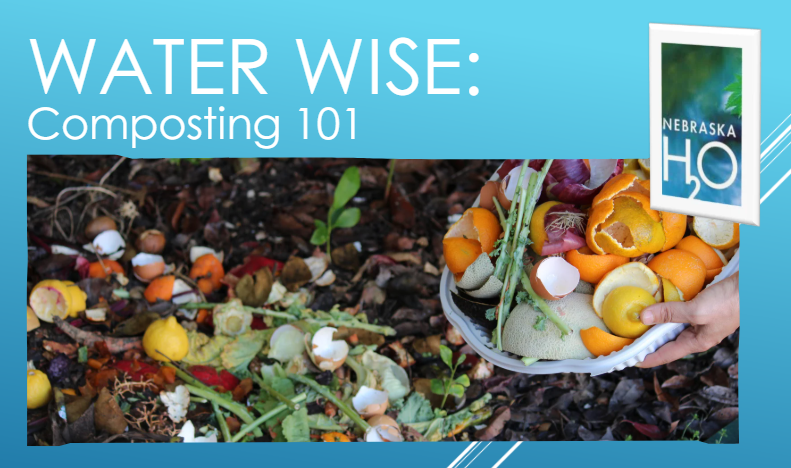
Leaves, grass clippings, and food scraps do not have to become waste.
With composting, these everyday materials can become a valuable resource for your yard while helping create healthier soil. Healthy soil supports stronger plants, absorbs more rainfall, and can help reduce runoff from your property.
Composting is a simple way homeowners can improve their landscapes while protecting local water resources.
What is compost?
Compost is a natural soil amendment created when organic materials break down over time.
A compost pile uses the same process that happens in nature when leaves, plants, and other materials decompose on the forest floor. With the right conditions, microorganisms break down these materials and create a dark, nutrient-rich material that can be added back to your landscape.
Why compost?
Composting provides benefits beyond reducing the amount of material sent to landfills.
Adding compost to your soil can help:
- Improve soil structure
- Increase moisture retention
- Support healthier plants
- Reduce the need for additional fertilizers
- Reduce yard waste
- Help rainwater soak into the ground
Healthy soil acts like a sponge. It can absorb and hold rainfall instead of allowing water to quickly run across yards and streets.
What can you compost?
Many common yard and household materials can become compost.
Good compost materials include:
Yard materials
- Leaves
- Grass clippings
- Small plant trimmings
- Garden waste
- Small amounts of untreated wood chips
Kitchen materials
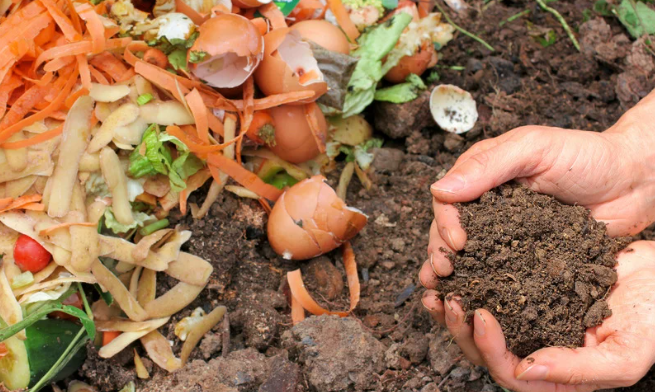
- Fruit and vegetable scraps
- Coffee grounds and filters
- Tea bags without plastic components
- Eggshells
Other materials
- Shredded paper
- Plain cardboard
- Untreated wood products
What should not go in a compost pile?
Some materials can attract pests, create odors, or introduce unwanted chemicals.
Avoid composting
- Meat and bones
- Dairy products
- Grease and oils
- Pet waste
- Diseased plants
- Treated wood
- Plastics or synthetic materials
How do I start composting?
Starting a compost pile does not require complicated equipment.
A basic compost system needs:
A place for your pile
Choose a location that is convenient to access and has good drainage. Many homeowners use a compost bin, an enclosed container, or a designated area in their yard.
Avoid placing compost directly next to drainage channels, storm drains, or waterways where materials could wash away during heavy rainfall.
A mix of materials
Successful composting requires a balance of different materials.
- Brown materials add carbon and provide structure.
- Green materials add nitrogen and help decomposition.
A mixture of both helps create a healthy compost pile.
Moisture and air
Compost needs moisture and oxygen to break down properly.
A compost pile should feel damp but not soggy. Turning or mixing the pile occasionally helps introduce air and keeps materials breaking down.
Composting and water quality
Composting is often discussed as a way to reduce waste, but it also plays a role in protecting water quality.
Healthy soil allows more rainwater to soak into the ground. This reduces the amount of water flowing across lawns, sidewalks, and streets where it can pick up pollutants and carry them toward storm drains.
By improving your soil, you can help your landscape better manage rainfall naturally.
Our water. Our responsibility.
From improving soil to capturing rainfall, every yard can play a role in protecting water quality.
Visit Healthy Lawns, Healthy Waterways to discover simple practices for creating a healthier, more water-friendly landscape.