
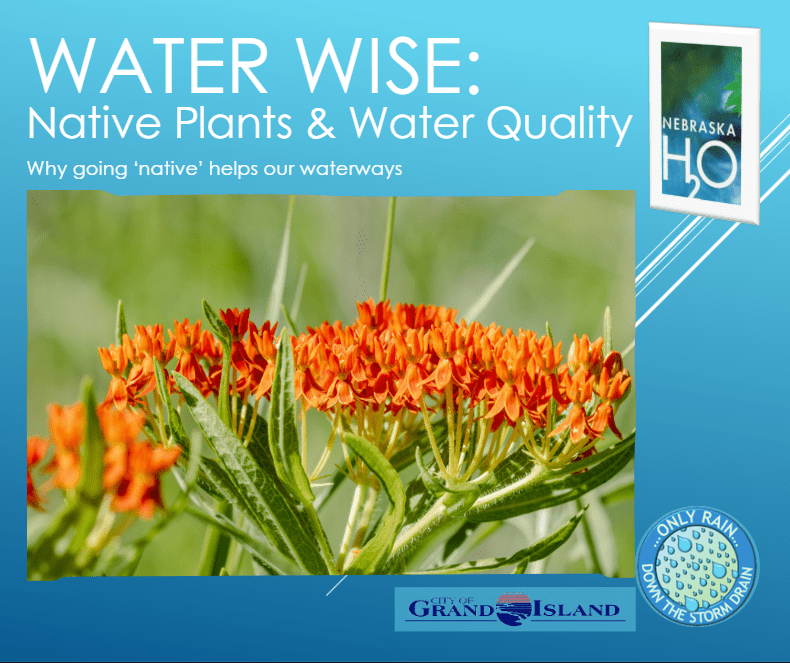
When people think about stormwater infrastructure, they usually picture storm drains, pipes, or detention ponds.
But some of the hardest-working infrastructure is alive.
Native grasses, wildflowers, sedges, and shrubs slow rainwater, filter pollution, hold soil in place, and help replenish groundwater—all while supporting birds, butterflies, and other wildlife. Whether they’re planted in a backyard, a rain garden, or along the edge of a pond, native plants help keep our waterways healthier.
What Makes a Plant “Native”?
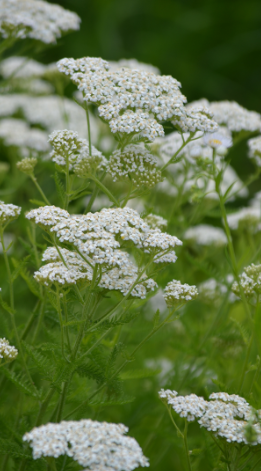
Native plants are species that grew in Nebraska long before neighborhoods, roads, and lawns became part of the landscape.
Because they’ve adapted to our climate over thousands of years, they’re well suited to local rainfall, temperature swings, drought, and soil conditions. They’re also the plants our native pollinators and wildlife have evolved alongside.
From prairie grasses to colorful wildflowers, these plants are built for Nebraska.
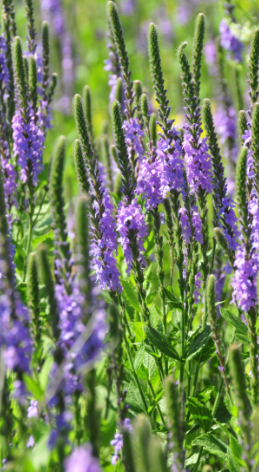
How Native Plants Improve Water Quality
Built from the Ground Up
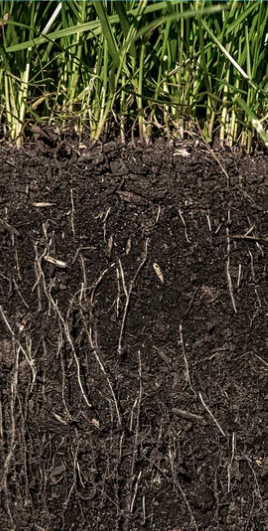
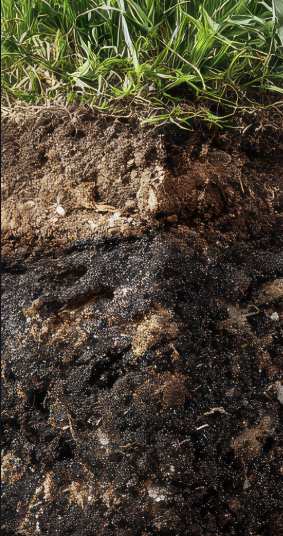
The biggest difference between many native plants and traditional landscaping is what you can’t see.
Many native species develop root systems that extend several feet into the ground. Those roots create channels that help rainwater soak into the soil instead of rushing across the surface.
When more water infiltrates the ground, communities see fewer flooding problems, less erosion, and more groundwater recharge.
Healthy soil acts like a sponge. Native plants help keep that sponge working.
Nature’s Water Filter
As stormwater moves through native vegetation, it slows down.
That gives soil and plant roots time to trap sediment, leaves, nutrients, and other pollutants before they reach lakes, streams, and the Platte River.
Instead of washing away, many contaminants stay where they can be naturally filtered by the soil.
Holding the Ground Together
Heavy rain can quickly wash exposed soil into streets, ditches, and waterways.
Native plants help prevent that from happening.
Their extensive root systems anchor the soil year-round, reducing erosion and keeping sediment out of the stormwater system. Cleaner water and more stable streambanks are just a few of the benefits.

Lower Maintenance, Lasting Benefits
Once established, native plants often need less water, fertilizer, and pesticide than many traditional landscape plants.
That means less irrigation during dry weather and fewer chemicals that can be carried away by rain.
For homeowners, it can also mean less maintenance over time.
A Home for Wildlife
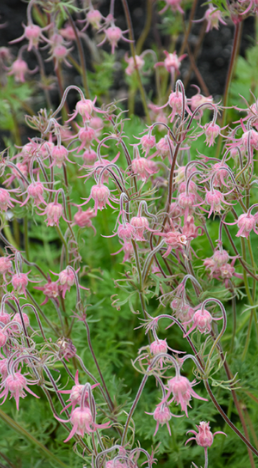
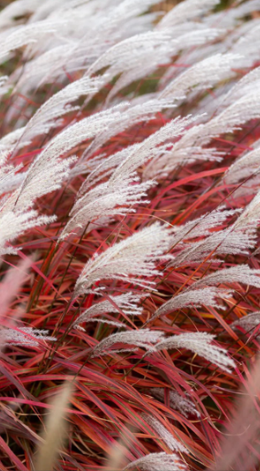
Native landscapes don’t just benefit water.
They provide food and shelter for bees, butterflies, birds, and countless beneficial insects that are part of Nebraska’s natural ecosystems.
Healthy habitats and healthy waterways often go hand in hand.

Where Native Plants Work Best
You don’t need acres of prairie to make a difference.
Native plants can be incorporated into landscapes of almost any size.
They work especially well in:
-
- Rain gardens, where they can handle both wet and dry conditions.
- Pond edges and shorelines, where they help filter runoff before it reaches the water.
- Landscape beds and yards, replacing small areas of turf with diverse native species.
- Parks and public spaces, where they reduce maintenance while supporting pollinators and improving water quality.
Even a modest planting can provide lasting benefits.
Why Some Areas Look a Little Wild
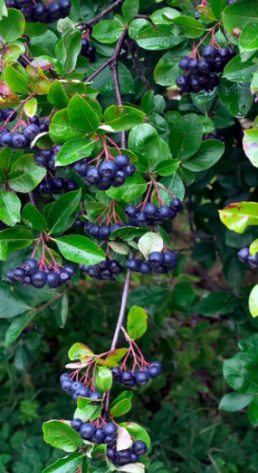
If you’ve noticed taller grasses or native flowers growing around ponds and drainage channels, that’s often intentional.
These areas aren’t being neglected. They’re working.
The extra vegetation slows runoff, filters pollutants, stabilizes shorelines, and provides habitat for wildlife. A landscape that looks a little less manicured can actually do a much better job protecting water quality.
Small Changes Add Up
You don’t have to redesign your entire yard to help protect local waterways.
Consider:
-
- Adding native flowers or grasses to an existing landscape bed.
- Planting a rain garden.
- Leaving a vegetated buffer near ponds or creeks.
- Reducing fertilizer use.
- Choosing native species for your next landscaping project.
Every new planting helps more rain soak into the ground instead of running into the storm drain.
Why It Matters
Every rainfall leaves us with the same choice: let water rush away, or give it a chance to soak into the ground.
Native plants make that second option possible.
They slow runoff, reduce erosion, improve water quality, recharge groundwater, and create healthier habitat for wildlife—all by doing what they’ve done in Nebraska for thousands of years.
Sometimes the best stormwater infrastructure doesn’t look like infrastructure at all.
It looks like nature.
Our Water, Our Responsibility
Continue Learning
Stormwater connects to many aspects of our community, from flooding and water quality to infrastructure and everyday actions at home. For more actions you can take at home, explore Healthy Lawns, Healthy Waterways.
More to Explore:
- Plant Nebraska Plant List