
Have you ever heard someone say:
“That area never flooded before they built houses there.”
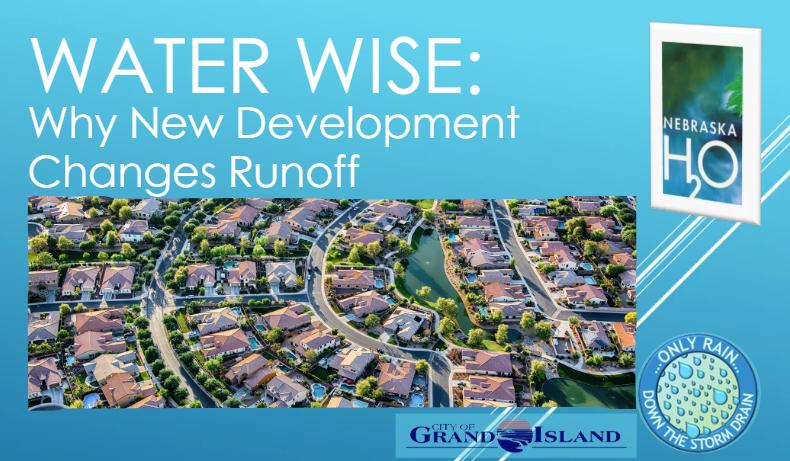
It’s a common concern, and it raises an important question: how does development affect stormwater?
The answer starts with understanding what happens when rain falls on natural land compared to developed land.
Before Development
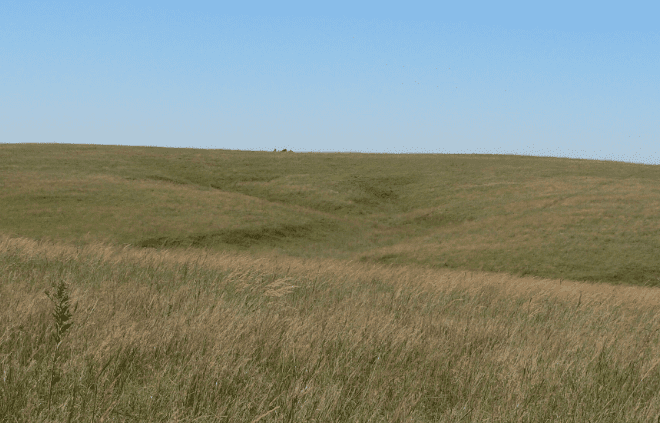
In natural areas, much of the rain that falls can soak into the ground.
Prairies, fields, and other vegetated areas slow water down and allow it to infiltrate into the soil.
Plants help absorb water, roots create pathways for infiltration, and natural depressions temporarily store runoff during storms.
As a result, less water moves across the surface and more water is absorbed into the ground.
After Development
Development introduces hard surfaces such as:
- Roads
- Sidewalks
- Parking lots
- Rooftops
- Driveways
These surfaces are called impervious surfaces because water cannot soak through them.
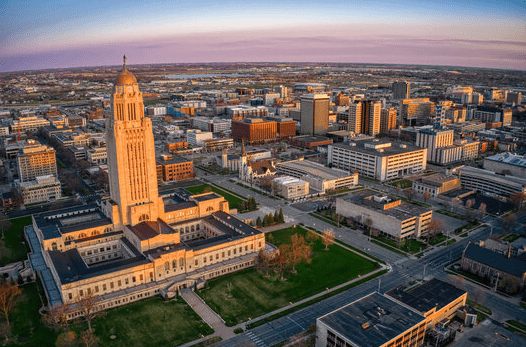
When rain falls on impervious surfaces, it runs off much more quickly than it would in a natural landscape.
This creates:
- More runoff
- Faster runoff
- Higher peak flows during storms
Without proper planning, these changes can increase localized flooding and erosion.
Why Stormwater Ponds Are Built
Modern developments are typically required to manage stormwater runoff.
One common tool is a detention or retention pond.
These facilities are designed to:
- Temporarily store runoff
- Slow the release of stormwater
- Reduce downstream flooding
- Improve water quality
While they may look like simple ponds, they are actually engineered parts of the stormwater system.
Development Doesn’t Automatically Mean More Flooding
A common misconception is that all development causes flooding.
In reality, stormwater management requirements are intended to reduce the impacts of new development.
Engineers design stormwater systems to account for runoff generated by roads, rooftops, and other impervious surfaces.
This may include:
- Detention ponds
- Storm sewer systems
- Vegetated channels
- Green infrastructure practices
These features help manage runoff before it reaches downstream neighborhoods and waterways.
Why Flooding Can Still Occur
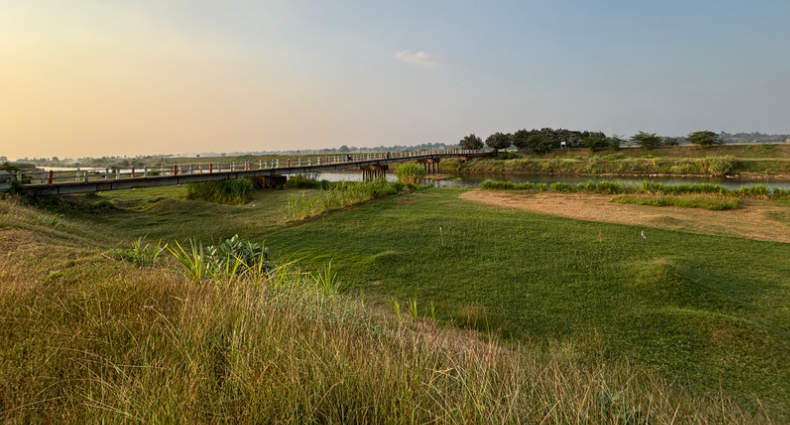
Even with stormwater controls in place, flooding can still happen.
Reasons include:
- Rainfall exceeding design capacity
- Older infrastructure built to previous standards
- Existing drainage limitations
- Regional flooding events
- Blockages within the drainage system
Stormwater systems reduce risk, but they cannot eliminate flooding during every storm.
How Green Infrastructure Helps
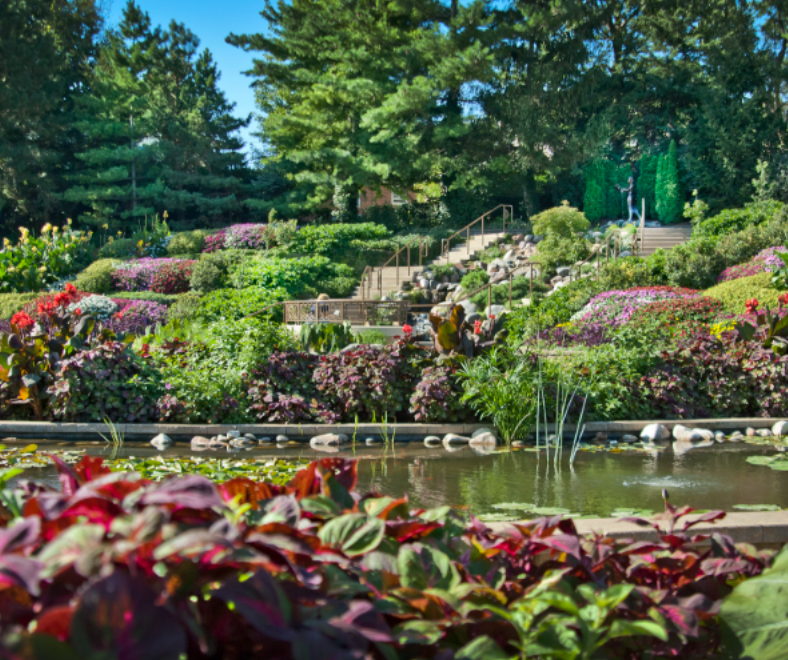
Many communities are also incorporating green infrastructure into development projects.
Examples include:
- Rain gardens
- Native landscaping
- Vegetated swales
- Stormwater wetlands
These practices help slow runoff, improve water quality, and increase infiltration.
Instead of moving water away as quickly as possible, green infrastructure helps manage water closer to where it falls.
Why It Matters
As communities grow, stormwater management becomes increasingly important.
Understanding how development changes runoff helps residents see why stormwater ponds, drainage channels, and green infrastructure are included in many projects.
These features work together to reduce flooding, protect water quality, and help communities remain resilient during heavy rain events.
Our Water, Our Responsibility.