
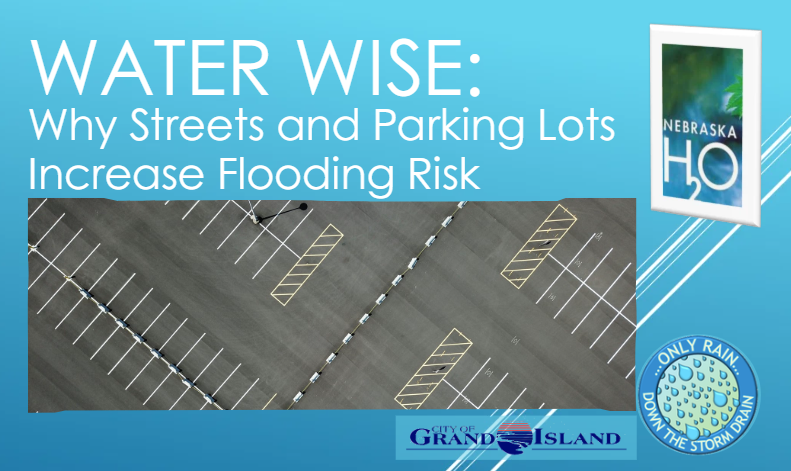
Walk across a parking lot during a summer thunderstorm and you’ll notice something almost immediately.
Water races toward the nearest storm drain.
Step onto the grass beside it, and the story changes. Much of the rain disappears into the ground instead of running across the surface.
That difference has a big impact on flooding.
Rain Has Two Choices
Every drop of rain does one of two things.
It either soaks into the ground or runs off.
Natural areas give water time to spread out and infiltrate the soil. Pavement doesn’t.
Streets, parking lots, sidewalks, driveways, and rooftops are all examples of impervious surfaces—hard surfaces that water can’t soak through.
Instead of sinking into the ground, rain becomes runoff.
Nature Slows Things Down
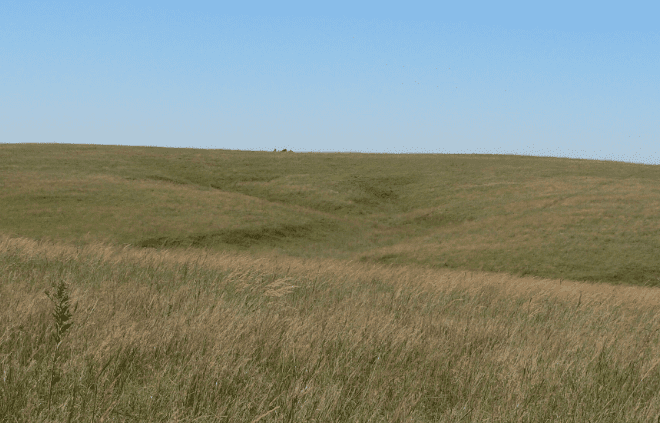
Before roads, neighborhoods, and parking lots were built, much of central Nebraska was covered by prairie grasses, wetlands, and deep-rooted plants.
When it rained, a large share of that water soaked into the soil, where it replenished groundwater or was taken up by vegetation. Only part of it continued across the surface.
That slower pace helped keep creeks and rivers from rising too quickly during storms.
Pavement Changes the Equation
Development doesn’t create more rain.
It changes what happens after the rain falls.
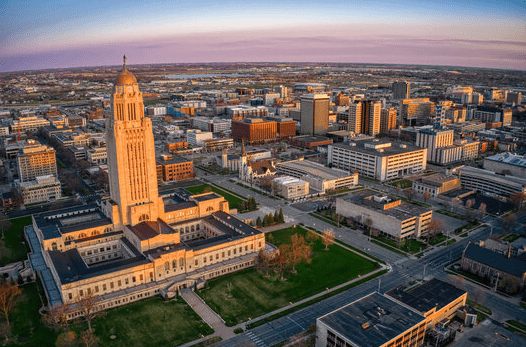
The more pavement and rooftops an area has, the less opportunity water has to soak into the ground.
Instead, runoff heads toward streets, storm drains, ditches, and ponds almost immediately.
That means more water arrives at the stormwater system, and it arrives much faster.
Speed Is Often the Real Problem
Imagine pouring a bucket of water onto a sponge.
Now pour the same bucket onto a sheet of concrete.
The amount of water hasn’t changed.
The speed has.
Stormwater systems can usually handle a steady flow of runoff. They become stressed when thousands of rooftops, driveways, streets, and parking lots all send water into the system at the same time.
That’s why short, intense storms often cause more localized flooding than a gentle rain that lasts for hours.
More Than Just Bigger Puddles
Fast-moving runoff affects more than streets.
It can wash soil into ditches and ponds, carrying fertilizer, oil, pet waste, and other pollutants with it. Sediment settles out downstream, gradually reducing the storage capacity of detention basins, drainage channels, and lakes.
Over time, that means less room for the next storm.
Flooding and water quality are closely connected because they’re influenced by the same thing: runoff moving too quickly across the landscape.
It’s Not Always About More Storm Drains
When a street floods, it’s easy to assume the solution is another storm drain or a larger pipe.
Sometimes additional infrastructure helps.
Often, though, the bigger challenge is how much water reaches that pipe all at once.
If runoff can be slowed before it reaches the street, the existing system has a much better chance of keeping up.
That’s why engineers look beyond pipes and culverts when planning for growth.
Working With Water Instead of Against It
Communities use a combination of gray and green infrastructure to manage runoff.
Storm drains, pipes, culverts, and detention basins move water safely through the community.
Rain gardens, native plants, healthy soils, and vegetated buffers help slow it down and give it a chance to soak into the ground.
The two approaches work best together.
What You Can Do
You don’t have to tear out your driveway to make a difference.
Small changes across many properties can noticeably reduce runoff.
- Direct downspouts toward lawns or landscaped areas when appropriate.
- Plant native trees, shrubs, and grasses with deep root systems.
- Add a rain garden where water naturally collects.
- Keep soil healthy by maintaining vegetation and avoiding bare ground.
- Reduce unnecessary paved areas during future landscaping projects.
Every gallon of rain that soaks into the ground is one less gallon rushing toward a storm drain.