
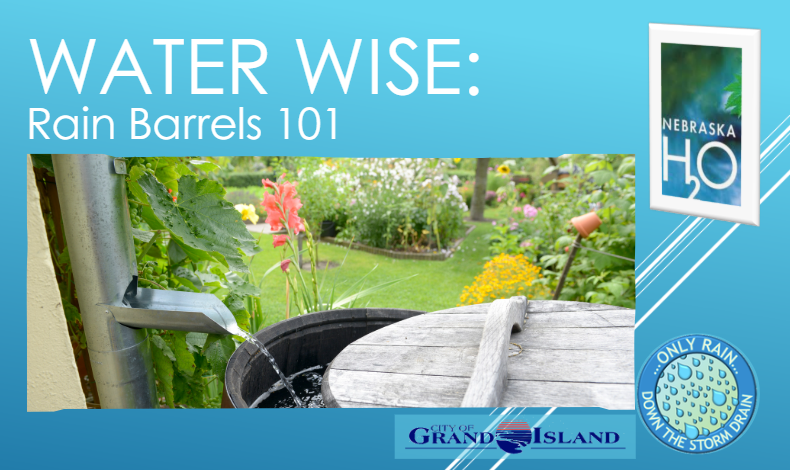
Rain Barrels: A Simple Way to Slow Stormwater
Every time it rains, water runs off rooftops and into gutters and downspouts. During a typical storm, that water often flows across lawns, driveways, and streets before entering the storm sewer system.
A rain barrel captures some of that runoff before it leaves your property.
Instead of sending every drop toward a storm drain, you can store rainwater and use it later to water trees, gardens, flower beds, and other landscaping. It’s one of the easiest ways homeowners can reduce runoff while conserving water.
Why Collect Rainwater?
Rainwater is a free resource, and most homes collect far more than people realize.
A one-inch rainfall on a typical 1,200-square-foot roof produces nearly 750 gallons of runoff. Most residential rain barrels hold only 50 to 80 gallons, so they usually fill during the first part of a storm. Once they’re full, excess water simply flows through the overflow and continues down the normal drainage path.
Although a single rain barrel captures only a portion of a storm, that first flush of runoff is often the fastest-moving water leaving a property. Slowing even part of that runoff can make a difference.
Rain barrels can help:
-
- Reduce stormwater runoff
- Conserve drinking water
- Lower outdoor water use
- Reduce erosion around your home
- Provide water during dry periods
One rain barrel won’t prevent flooding, but thousands of homeowners making small improvements can reduce the amount of runoff entering the storm sewer system during many rain events.
Choosing the Right Location
The best location is usually beneath an existing downspout where rainwater naturally leaves your roof.
Before installing a rain barrel, consider:
-
- A level, stable surface that can support the weight of a full barrel
- Easy access for watering plants
- Enough space to remove the lid or clean the barrel
- An overflow location that directs excess water away from your home’s foundation
Whenever possible, allow overflow to drain onto grass, landscaping, or a rain garden instead of pavement.
How Can You Use the Water?
Stored rainwater works well for many outdoor uses, including:
-
- Flower beds
- Trees and shrubs
- Vegetable gardens
- Raised beds
- Container plants
- Newly planted landscaping
Using rainwater for irrigation helps reduce demand on treated drinking water during the growing season.
Rain barrel water should not be used for:
-
- Drinking
- Cooking
- Bathing
- Filling swimming pools
- Household plumbing
Because rainwater flows across rooftops before entering the barrel, it may contain dust, leaves, bird droppings, or other debris.
Will a Rain Barrel Breed Mosquitoes?
Not if it’s installed correctly.
Modern rain barrels use screened openings or tightly fitting lids that keep mosquitoes from reaching standing water.
To further reduce mosquito problems:
-
- Keep screens in good condition.
- Empty the barrel regularly.
- Keep the lid tightly closed.
- Make sure overflow openings are screened.
A properly maintained rain barrel should not become a mosquito breeding site.
Preparing for Winter
Nebraska winters require a little seasonal maintenance.
Before freezing temperatures arrive:
-
- Empty the barrel completely.
- Disconnect it from the downspout.
- Reconnect the downspout so water drains normally.
- Store the barrel upside down or in a protected location if possible.
Water expands as it freezes, and a full barrel can crack during winter.
Build One or Buy One?
Homeowners have several options.
Some people build rain barrels using food-grade plastic barrels and inexpensive hardware. Others prefer commercially manufactured barrels that include screens, overflow fittings, and decorative finishes.
Both options work well when properly installed.
The best choice depends on your budget, available time, and whether you enjoy do-it-yourself projects.
Frequently Asked Questions
Will a rain barrel overflow?
Yes. Every rain barrel should include an overflow outlet that safely directs excess water away once the barrel is full.
Can I connect more than one barrel?
Yes. Multiple barrels can be linked together to increase storage capacity, especially if you have a large roof or frequently water gardens.
Does stored rainwater smell?
Usually not. Keeping leaves and debris out of the barrel and using the water regularly helps prevent odors.
Is rainwater safe for vegetable gardens?
Rainwater is generally suitable for watering the soil around vegetables, flowers, trees, and shrubs. Avoid using stored rainwater for drinking or preparing food.
Why Rain Barrels Help Stormwater
Stormwater problems often seem too large for one homeowner to influence.
But every property contributes runoff, and every property has opportunities to reduce it.
Rain barrels slow the movement of water, reduce runoff from rooftops, conserve drinking water, and help homeowners use rainfall where it lands instead of sending it directly into the storm sewer system.
Combined with healthy soils, native plants, trees, and rain gardens, rain barrels are another simple way to help protect local water quality.
Sometimes managing stormwater starts with nothing more complicated than saving the next rainfall for tomorrow’s garden.
Our Water. Our Responsibility.