
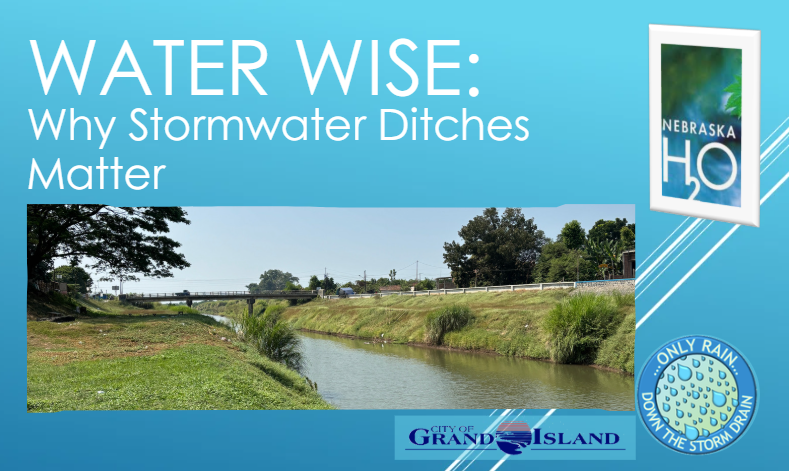
Most people don’t think twice about a roadside ditch.
It’s just a strip of grass. Maybe it holds water after a storm. Maybe it looks like it needs to be mowed.
But those ditches are doing the same job as storm drains and underground pipes. They’re part of Grand Island’s stormwater system, quietly moving water away from streets, neighborhoods, and businesses every time it rains.
In many parts of the city, they’re one of the most important pieces of infrastructure we have.
More Than a Place for Water to Collect
Stormwater ditches are open channels built to carry runoff away from developed areas.
Some stay dry most of the year. Others hold water for a day or two after a storm. A few carry water almost year-round.
No matter what they look like on a sunny afternoon, they’re designed with the next storm in mind.
When heavy rain falls, these channels give water somewhere to go before it reaches homes, streets, or businesses.
Why We Don’t Put Everything Underground
It’s easy to assume pipes are always the better option.
Sometimes they are.
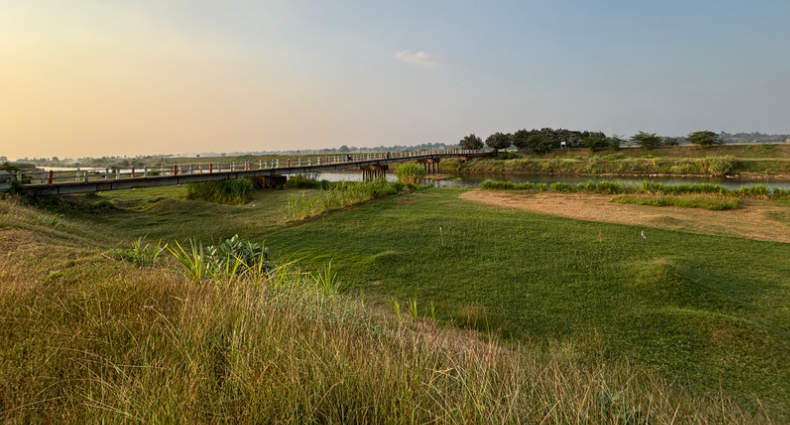
But open channels can do things buried pipes can’t.
A ditch gives water room to spread out instead of racing through a pipe. That slower flow reduces erosion, eases pressure on the rest of the drainage system, and in some locations allows water to soak into the soil instead of continuing downstream.
They’re also easier to inspect, maintain, and expand as communities grow.
That’s why many neighborhoods use both underground storm sewers and open drainage channels. Each has its place.
They’re Helping Clean the Water, Too
Stormwater rarely arrives alone.
As rain flows across streets, driveways, parking lots, and lawns, it can pick up sediment, grass clippings, fertilizer, pet waste, and litter.
A vegetated ditch slows that runoff.
When water loses speed, heavier particles have a chance to settle instead of being carried farther downstream. Plant roots help hold soil in place, reducing erosion and keeping even more sediment out of our waterways.
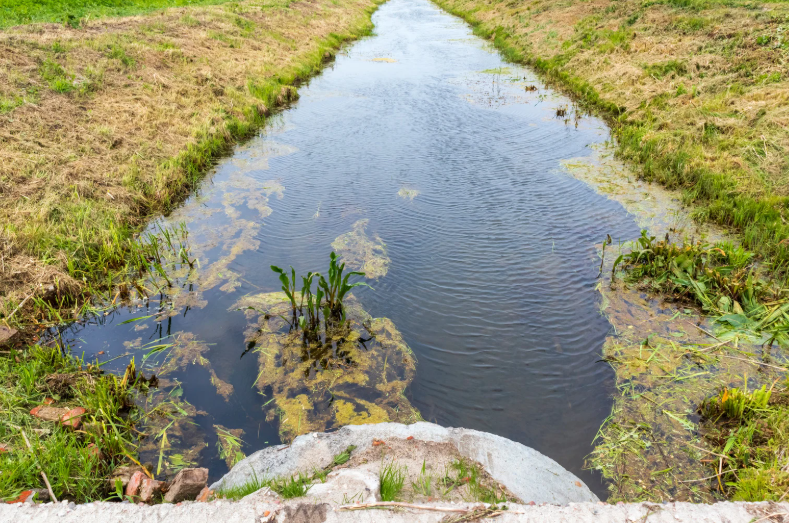
Some drainage channels are designed specifically for this purpose. Bioswales and other vegetated systems combine healthy soils and native plants to slow runoff, improve water quality, and encourage groundwater recharge.
Why Isn’t the Grass Short?
This is probably the question Public Works hears most often.
Tall grass isn’t always a sign that a ditch has been forgotten.
The vegetation is part of how the ditch works.
Grass slows moving water, protects the soil from erosion, and helps trap sediment before it washes farther downstream. Cutting everything short would reduce many of those benefits.
Maintenance schedules also depend on weather. Wet ground, steep slopes, and standing water can make mowing unsafe for equipment and crews.
Many drainage channels are intentionally maintained less often than parks or residential lawns because they serve a different purpose.
A stormwater ditch isn’t meant to look like a golf course.
It’s meant to manage water.
Why Maintenance Still Matters
Even natural-looking infrastructure needs regular care.
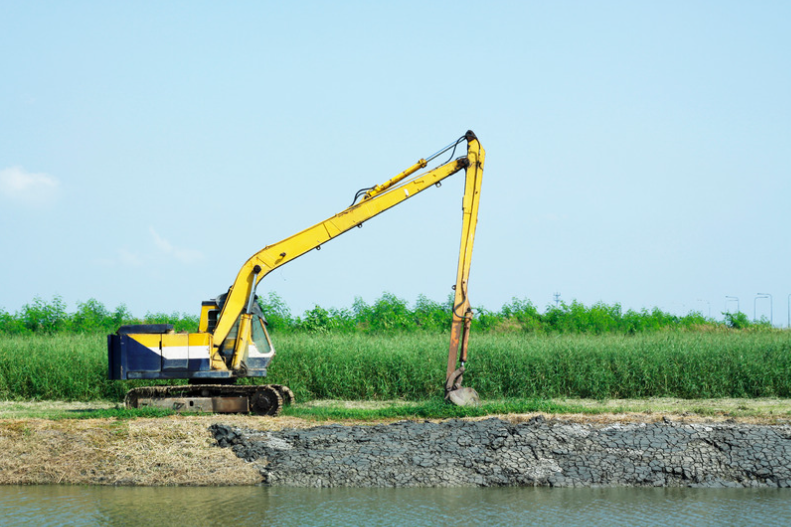
Every storm leaves behind a little sediment. Over time, that dirt builds up on the bottom of the ditch, leaving less room for the next storm.

Branches, leaves, litter, and yard waste can block the flow of water. Dense vegetation sometimes needs to be trimmed back so crews can inspect drainage structures and keep water moving.
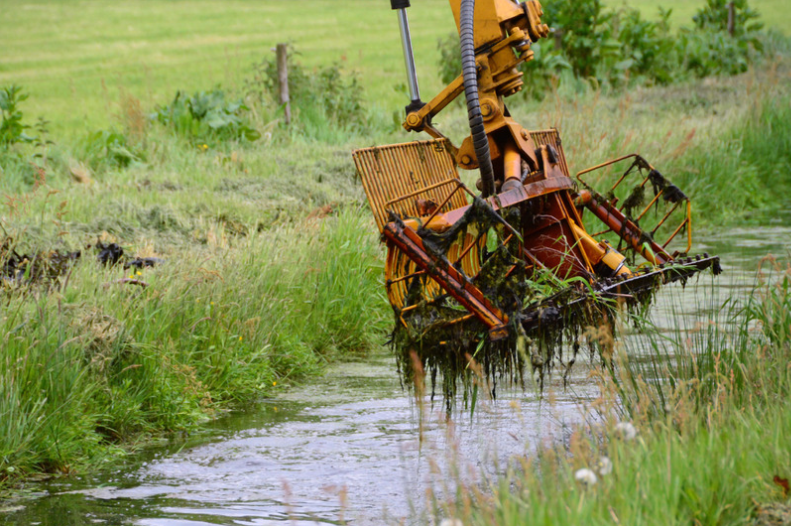
Removing sediment, mowing when appropriate, and clearing debris all help restore the ditch’s capacity before the next heavy rain arrives.
How Residents Can Help
Stormwater ditches work best when they stay open and unobstructed.
You can help by:
- Keeping grass clippings and leaves out of ditches.
- Avoiding dumping yard waste, soil, or trash into drainage channels.
- Leaving vegetation in place unless it’s on your property and requires maintenance.
- Reporting blocked culverts or drainage problems to Public Works.
Small actions upstream make a difference throughout the system.
Why It Matters
Stormwater ditches don’t get much attention, but they protect neighborhoods every time it rains.
They move water, reduce flooding, slow erosion, improve water quality, and help keep sediment out of pipes, ponds, and local waterways.
The next time you pass one, remember you’re not looking at an empty strip of grass.
You’re looking at infrastructure that’s working—even when it isn’t raining.
Our Water. Our Responsibility.