
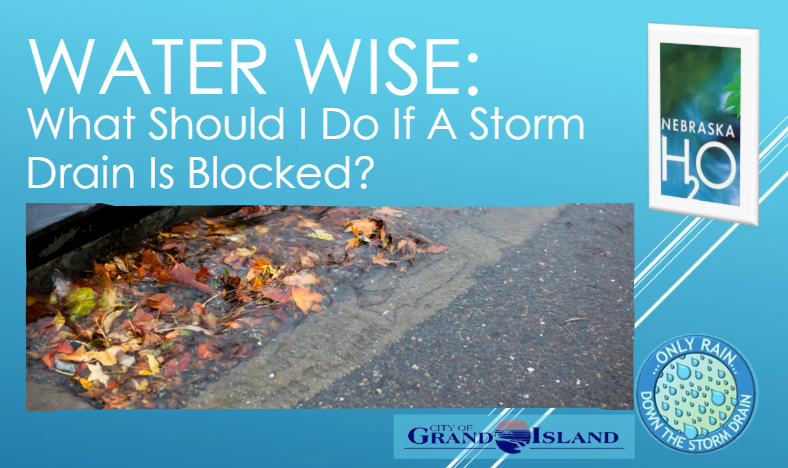
Storm drains help move rainwater off streets, parking lots, and other hard surfaces during storms. When they become blocked by leaves, grass clippings, trash, or other debris, water may not be able to enter the system as quickly as it should.
A blocked storm drain can contribute to standing water, localized flooding, and drainage problems during heavy rain.
So what should you do if you notice one?
Safety Comes First
Storm drains are part of the public drainage system.
Residents should never:
- Enter a storm drain
- Remove heavy grate covers
- Reach into drainage structures
- Attempt repairs
Water can move quickly during storms and hidden hazards may be present.
Safety should always come first.
Check for Surface Debris
Many storm drain blockages occur when leaves, grass clippings, branches, or litter collect around the inlet opening.
If conditions are safe and the material is easily accessible from the surface, removing a small amount of loose debris may help water enter the drain.
Never place yourself in moving water or traffic to clear debris.
Watch What Happens During Rain Events
A storm drain that appears blocked during dry weather may actually be functioning normally.
During the next rain event, observe:
- Is water flowing into the drain?
- Is water backing up into the street?
- Does water remain after the storm ends?
- Is debris repeatedly collecting in the same location?
These observations can help identify whether maintenance may be needed.
Report the Problem
If a storm drain appears blocked, damaged, or unable to drain properly, contact your local Public Works Department.
Helpful information includes:
- Street address or nearest intersection
- Photos, if available
- Description of the issue
- Whether flooding is occurring
Accurate reports help maintenance crews identify and address problems more quickly.
Prevent Future Blockages
Many common storm drain blockages originate from everyday activities.
Residents can help by:
- Keeping leaves out of the street
- Sweeping grass clippings back onto lawns
- Securing trash and recycling containers
- Avoiding dumping yard waste into ditches or drainageways
Small actions across the community help keep the drainage system functioning properly.
Why It Matters
Storm drains are designed to carry stormwater away from streets and neighborhoods. When inlets become blocked, water may collect where it is not wanted.
Keeping storm drains clear helps reduce localized flooding, improves drainage, and protects local waterways from debris and pollution.
Everyone can play a role in helping stormwater move safely through the community.
Our Water. Our Responsibility.