
Drive past almost any construction site and you’ll see a collection of things that weren’t there before.
Black fabric stretched along the edge of the dirt.
A pile of large rocks where trucks enter the site.
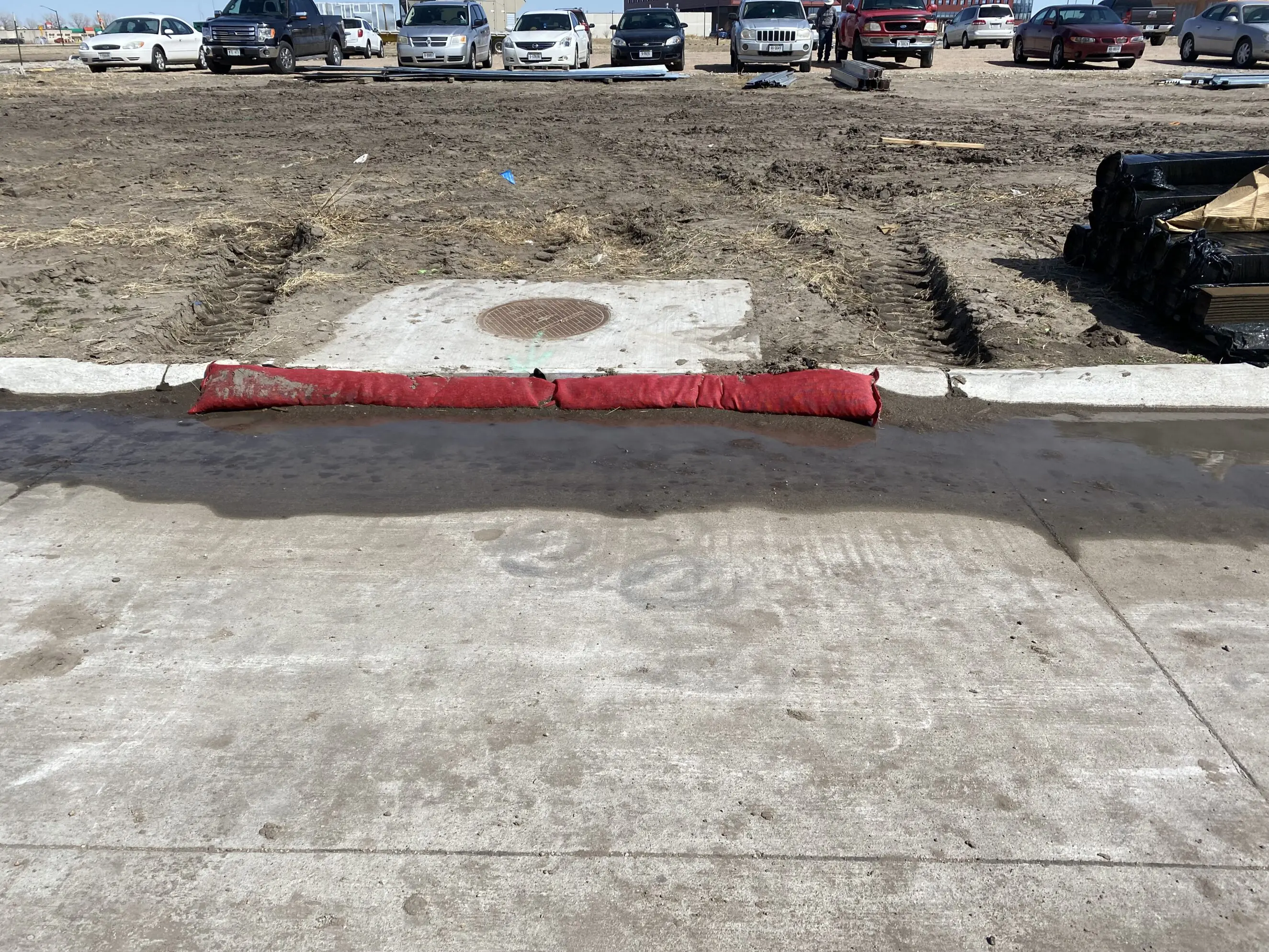
Storm drains wrapped with fabric or surrounded by gravel bags.
Maybe even a large container marked Concrete Washout.
It can look like a random assortment of barriers and equipment.
It’s not.
Each one has a specific job, and they’re all working toward the same goal: keeping dirt and other pollutants out of the stormwater system.
Construction Sites Start With Bare Ground
Before a building goes up or a new street is paved, the land has to be cleared and graded.
That leaves exposed soil.
During a heavy rain, that loose dirt can wash off the site in a matter of minutes. Once it reaches the street, it’s only a short trip to a storm drain, ditch, creek, or lake.
Keeping soil where it belongs is one of the biggest challenges on any construction project.
The Black Fabric Fence
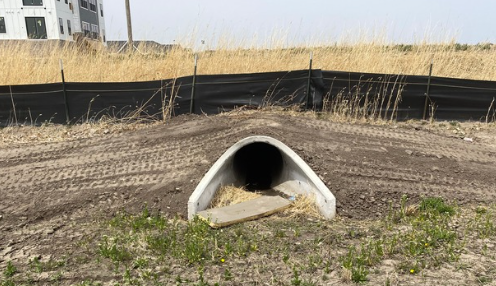
That black fabric stretched around the edge of a site is called a silt fence.
It doesn’t stop water.
It slows the runoff just enough for soil to settle out before the water leaves the site.
Without it, a single thunderstorm can carry a surprising amount of sediment into nearby streets and storm drains.
Why Dirt Matters
It may seem odd to think of dirt as pollution.
Until it ends up somewhere it doesn’t belong.
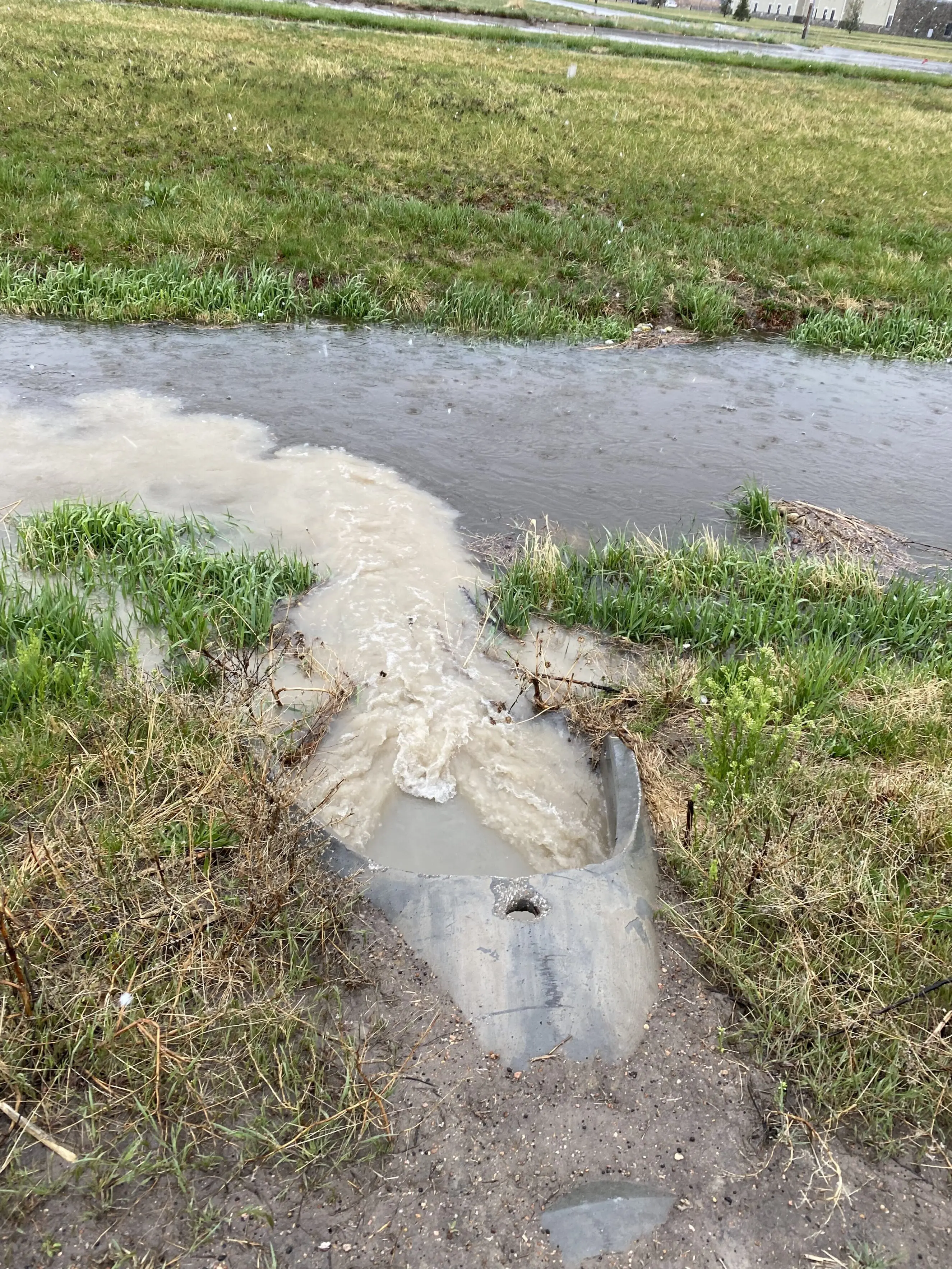
Sediment clouds the water, buries fish habitat, and fills ditches, ponds, and drainage channels that were built to store or move stormwater.
It also acts like a taxi for other pollutants. Fertilizers, oil, metals, and bacteria can cling to soil particles and travel wherever the sediment goes.
Keeping dirt on the construction site protects both water quality and flood capacity downstream.
Why Storm Drains Get Covered
Storm drains aren’t filters.
Their job is to move water.
When construction is happening nearby, temporary inlet protection helps keep mud, sand, and debris from washing into the storm sewer.
Otherwise, sediment can settle inside pipes, reduce their capacity, and create maintenance problems long after construction is finished.
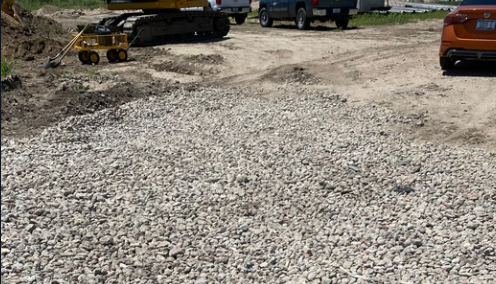
What’s With the Rock Entrance?
That pad of large rock where trucks enter and leave the site is called a stabilized construction entrance.
As vehicles drive across it, the rock knocks mud and dirt off their tires before they reach the street.
Without it, trucks can leave muddy tire tracks—known as trackout—across nearby roads.
The next rainstorm washes that dirt straight into the storm drain system.
A good construction entrance keeps most of that mud where it belongs.
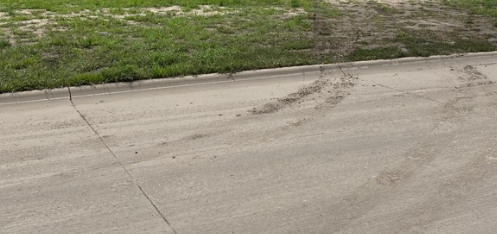
What Is Trackout?
Trackout occurs when vehicles carry dirt and mud from a construction site onto nearby roads.
Once mud reaches the street, traffic can spread it throughout the neighborhood. Rain can then wash that sediment into storm drains and waterways.
Construction sites are expected to minimize trackout. If large amounts of mud are leaving the site, additional controls or cleanup may be needed.
Ideally, you should never see trackout leaving a construction site.
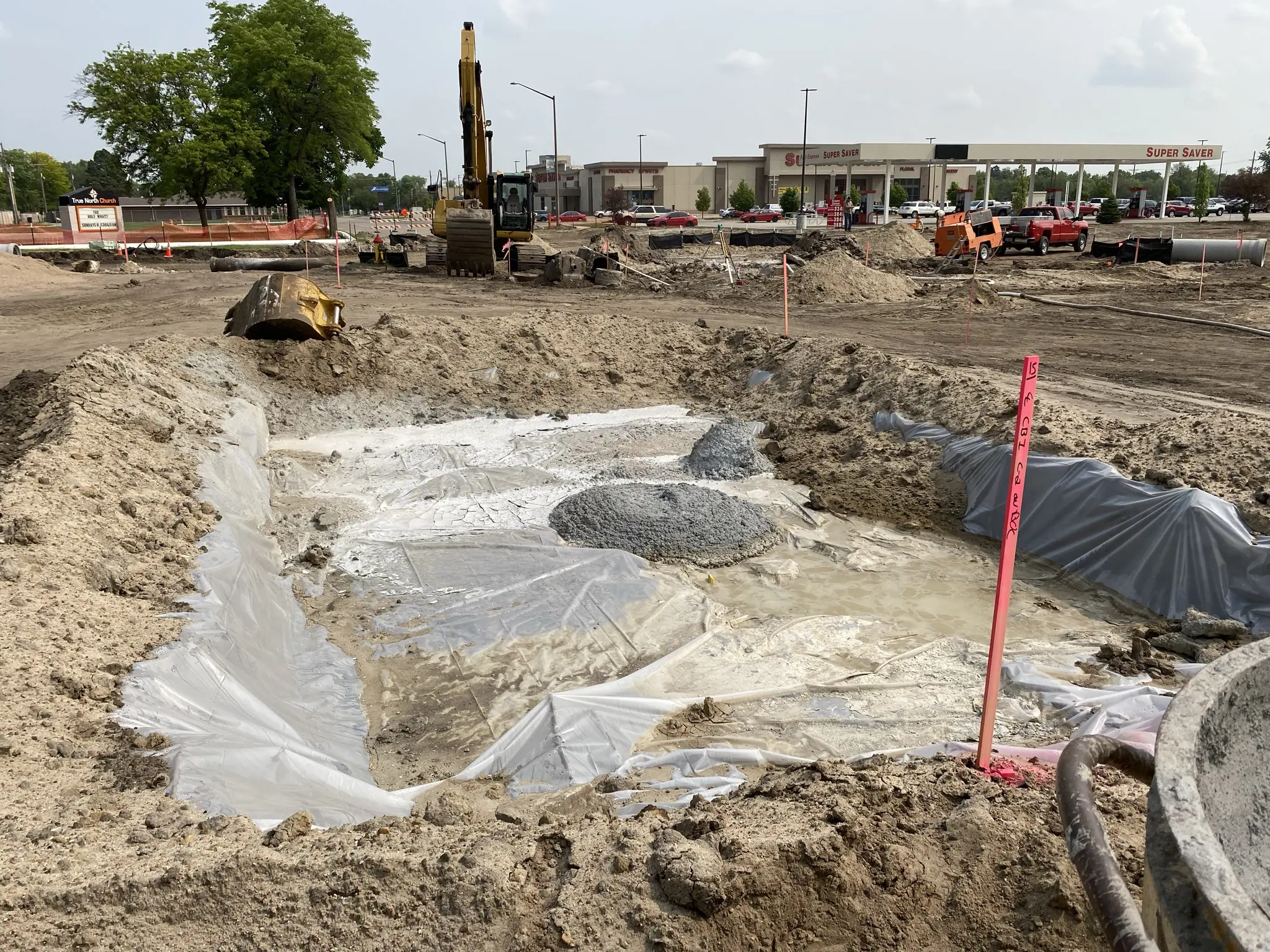
Concrete Washout
Fresh concrete is highly alkaline and shouldn’t be washed into a gutter or storm drain.
That’s why construction sites often have a designated concrete washout area.
Workers rinse chutes, tools, and equipment there instead of on the ground, allowing the leftover concrete and wash water to be contained and disposed of properly.
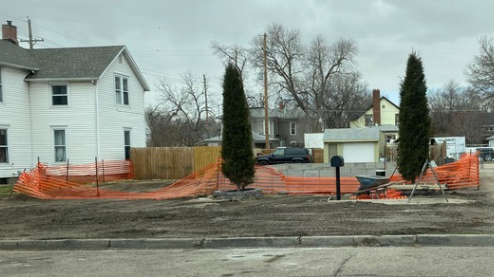
Orange Fence Means “Stay Out”
Not every orange fence is there to keep people out.
Often it’s protecting something that should stay undisturbed.
You might see orange fencing around mature trees, native vegetation, drainage channels, or other areas that help control erosion.
Leaving those features intact is often one of the easiest ways to keep soil from washing away.
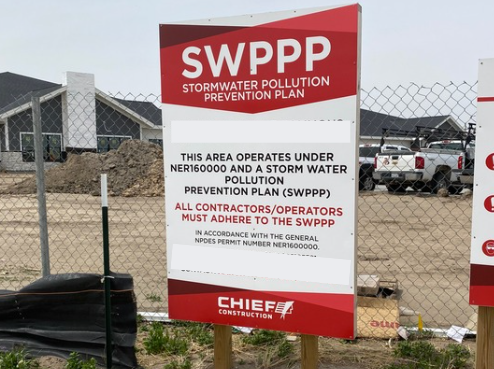
Why So Many Temporary Controls?
Construction doesn’t last forever, but one poorly managed rainstorm can send tons of sediment into the stormwater system.
That’s why erosion and sediment controls are installed before major earthwork begins and remain in place until the site is stabilized with pavement, landscaping, or vegetation.
The goal isn’t to keep rain on the site.
It’s to keep the soil on the site.
What You Can Do
Most of the work happens behind the fence, but residents play a role too.
- Slow down near construction entrances where trucks may be entering or leaving.
- Report excessive mud being tracked onto public streets.
- Never move or remove erosion-control devices.
- Keep nearby storm drains clear of leaves and debris so they can continue working during rainstorms.
Protecting water quality starts long before a building is finished.
Why It Matters
Those black fences, rock entrances, covered storm drains, and concrete washout containers aren’t just construction clutter.
They’re temporary tools that help keep soil out of streets, protect stormwater infrastructure, reduce flooding, and prevent pollution from reaching our lakes, streams, and the Platte River.
The next time you pass a construction site, take another look.
There’s a good chance those barriers are protecting the water long before the first building opens its doors.
Our Water. Our Responsibility.