
Prevent Pollution Around Your Home: Everyday Actions That Protect Water Quality

Most stormwater pollution doesn’t come from a single large event. It comes from everyday activities that take place across thousands of homes and neighborhoods.
Rainfall washes over rooftops, driveways, sidewalks, streets, and lawns before entering storm drains. Along the way, it can pick up oil, fertilizer, pet waste, litter, yard debris, and other pollutants. Because stormwater is often not treated before reaching local waterways, small choices made at home can have a lasting impact.
The good news is that preventing stormwater pollution doesn’t require major projects. A few simple habits can help keep pollutants out of storm drains and protect the rivers, streams, lakes, and groundwater that communities depend on.
If you’re new to stormwater pollution, start with Stormwater Pollution Sources to learn how common pollutants reach local waterways. This guide focuses on what you can do to help prevent them.
Around Your Vehicle
Vehicles can leave behind more than tire tracks. Motor oil, antifreeze, brake fluid, fuel, soap, and road grime can all be carried away by stormwater when it rains.
Learn how simple maintenance and washing practices can help reduce pollution before it reaches a storm drain.
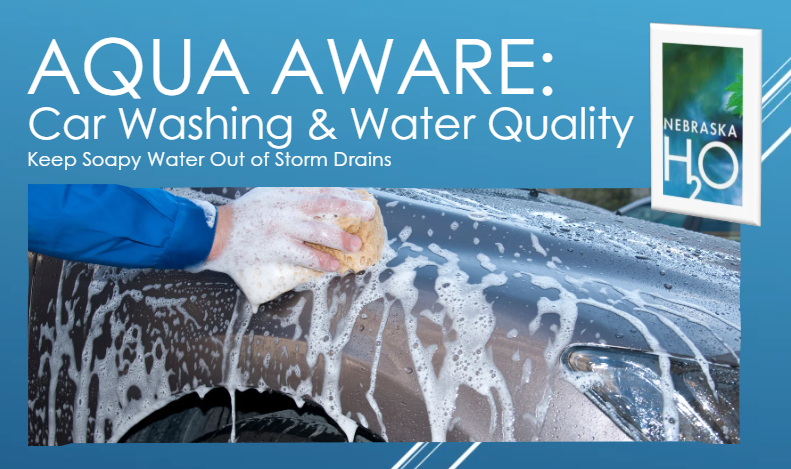
Car Washing and Water Quality
Wash your vehicle without sending soap and grime into storm drains.
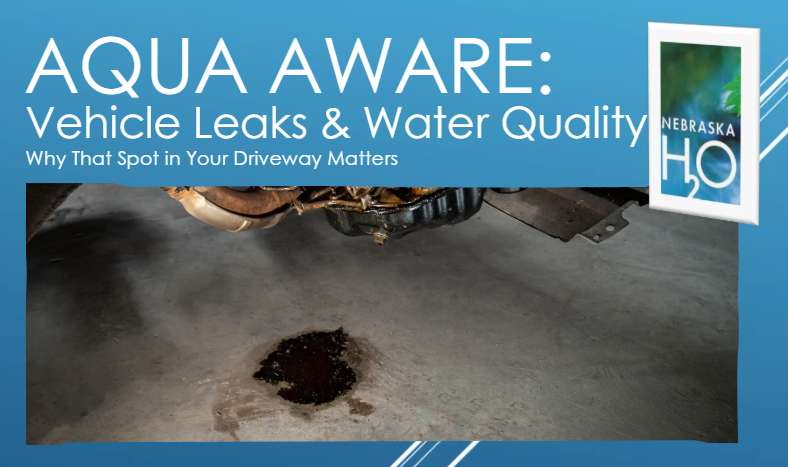
Vehicle Leaks and Water Quality
Fix vehicle leaks before they pollute local waterways.
Around Your Home
Routine outdoor cleaning and maintenance can unintentionally send pollutants into the stormwater system.
A few changes in how you clean outdoor surfaces can make a significant difference.
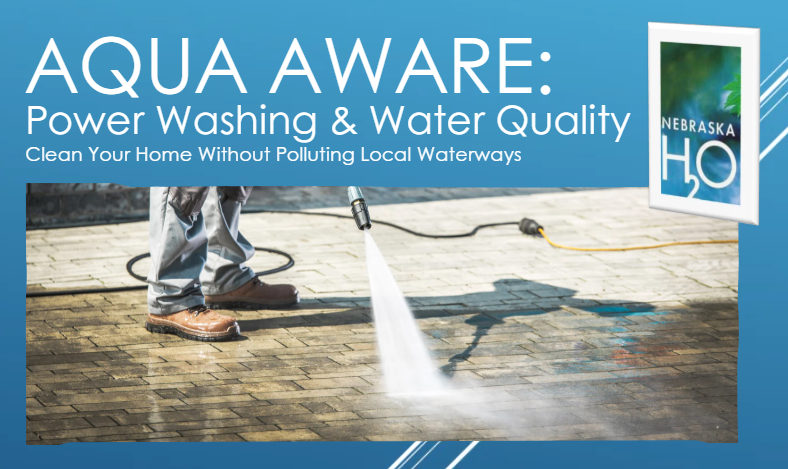
Power Washing and Water Quality
Clean outdoor surfaces without washing pollutants into storm drains.
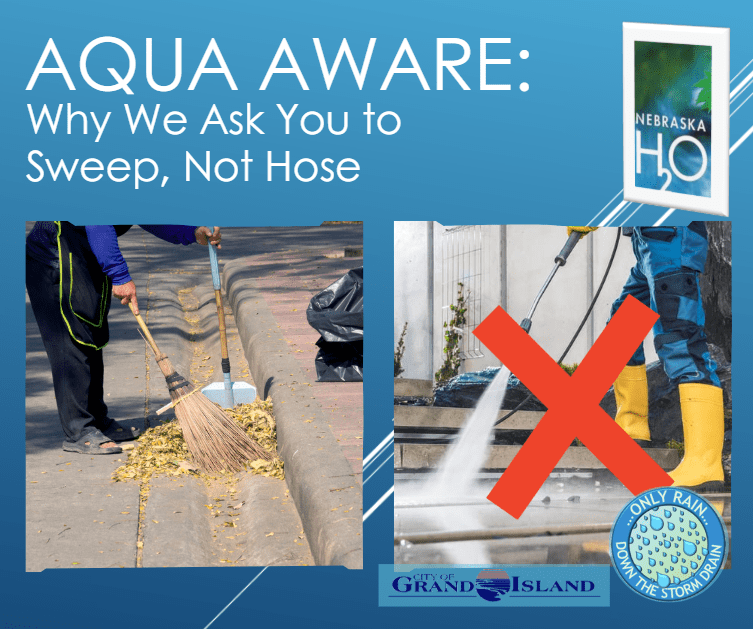
Pick Up the Broom, Not the Hose
Sweep away debris instead of washing it into storm drains.
In Your Yard
Your yard plays an important role in protecting water quality.
Leaves, grass clippings, pet waste, fertilizers, and other materials can become stormwater pollution if they’re left where rain can carry them away.
Pet Waste and Water Quality
Pick up pet waste to keep harmful bacteria out of waterways.
Ice Melt Products: Which One?
Explore which product works best for your needs and the environment.
Dirt: America's Largest Pollutant
Keep soil in place to reduce erosion and stormwater pollution.
How Lawns Pollute - And How They Help Protect Water
Manage your lawn to protect waterways
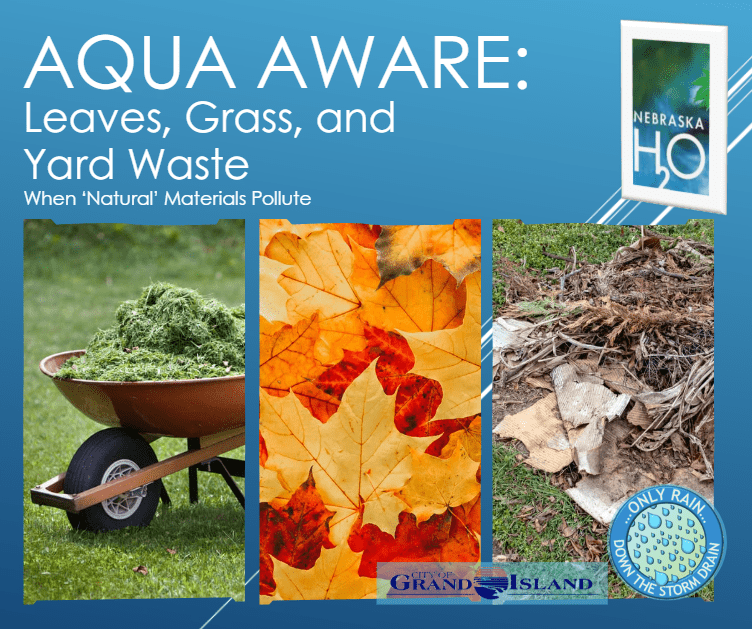
Yard Waste: When Natural Materials Pollute
Keep leaves and grass clippings out of streets and storm drains.
Around Your Neighborhood
Keeping a community clean benefits everyone.
Litter and illegally dumped materials can clog storm drains, contribute to localized flooding, and pollute nearby waterways.
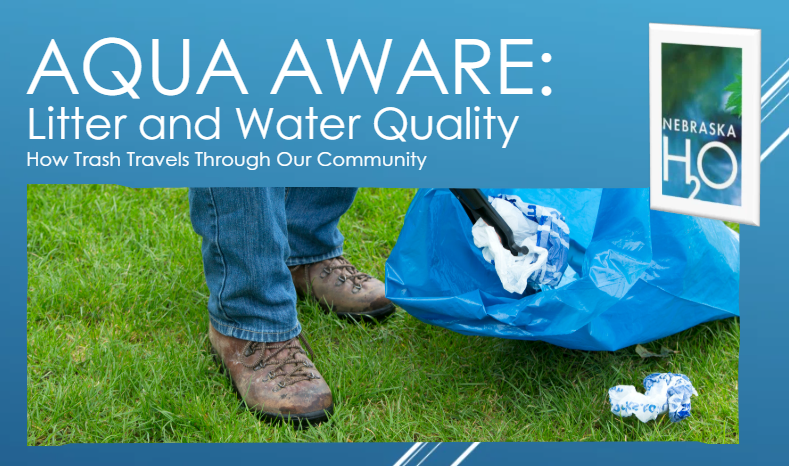
Litter and Water Quality
Prevent litter from washing into streams, rivers, and lakes.
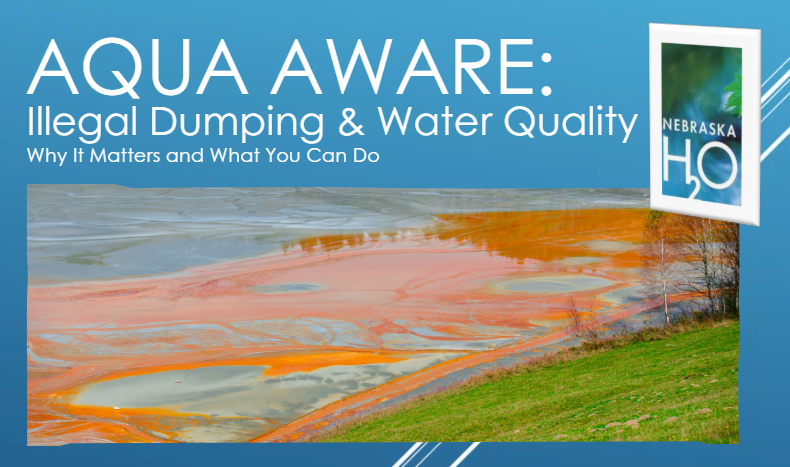
Illegal Dumping and Water Quality
Dispose of waste properly to protect Nebraska’s waterways.
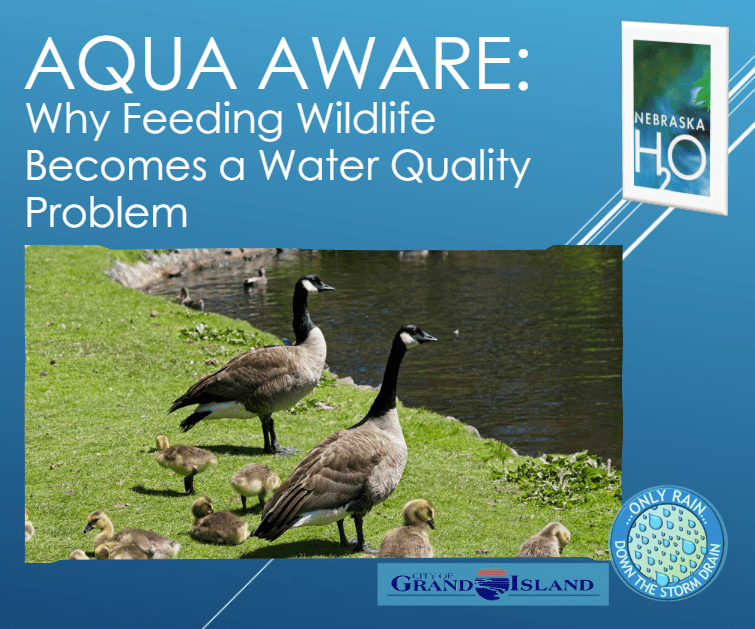
Feeding Wildlife: A Water Quality Problem
Protect wildlife by letting animals find their own food.
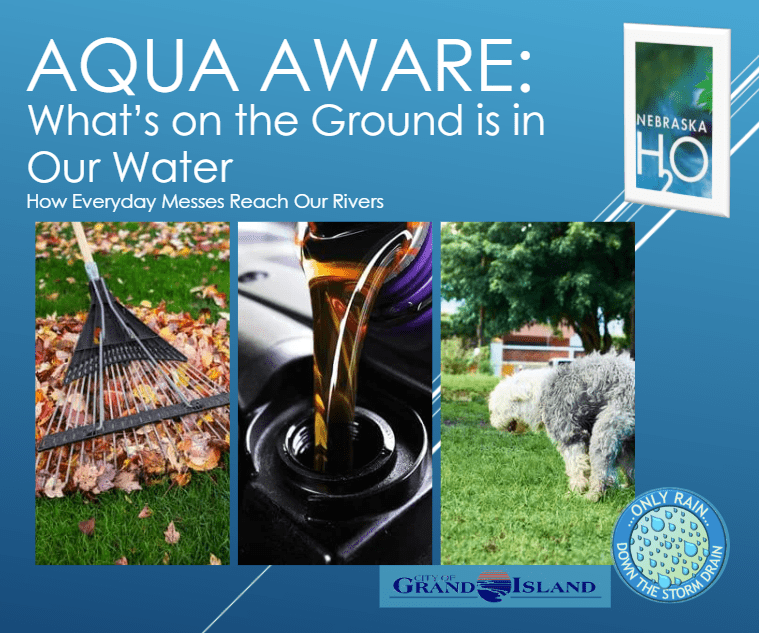
What’s on the Ground Is in Our Water
Prevent everydays messes from becoming stormwater pollution.
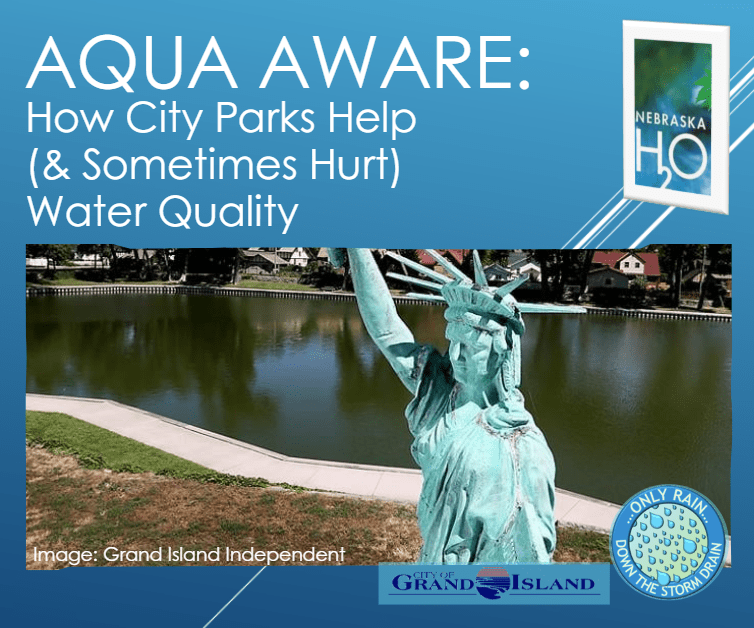
Your Neighborhood Park Is Working Harder Than You Think
Discover how parks help manage stormwater and protect waterways.
Small Actions Make a Big Difference
You don’t have to change everything at once.
Whether you sweep your driveway instead of hosing it off, fix a leaking vehicle, pick up after your pet, or properly dispose of yard waste, each action helps reduce the pollutants that stormwater carries into Nebraska’s waterways.
Taken together, these everyday choices create cleaner neighborhoods, healthier streams and rivers, and stronger communities.
Our Water. Our Responsibility.
Continue Exploring
Stormwater management is connected. Explore another guide to learn about seasonal maintenance, pollution prevention, or water-friendly landscaping.