

A healthy lawn does more than provide a place to play or improve curb appeal. Grass slows rainfall, holds soil in place, and gives water time to soak into the ground instead of rushing toward streets and storm drains.
The lawn itself is rarely the problem.
Most pollution comes from the way we maintain it.
Fertilizer applied before a heavy rain, grass clippings left in the street, bare soil washing away during a storm, or pet waste left on the ground can all become part of stormwater runoff. Once runoff enters a storm drain, it flows directly to local waterways without treatment.
The good news is that a few simple habits can help your lawn work with nature instead of against it.
Lawns Are a Natural Filter
Healthy lawns slow down rainfall and help trap sediment before it reaches streets and storm drains.
As water moves through the grass and soil, some pollutants are filtered, and more water has time to soak into the ground. Healthy root systems also help prevent erosion by holding soil in place.
Lawns can even help filter small amounts of water from activities like washing a vehicle or rinsing outdoor equipment—provided soaps, detergents, or other chemicals are not involved. Once soaps or cleaning products enter the water, it should never be allowed to flow toward a storm drain.
A healthy lawn is one of the simplest forms of green infrastructure many homeowners already have.
Are Alternative Lawns Better for Water Quality?
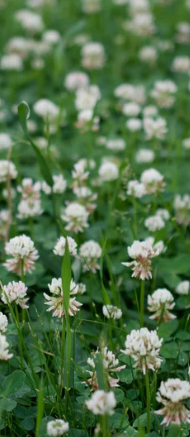
A traditional lawn is not the only option for managing stormwater.
Many homeowners are adding native plants, clover, prairie gardens, or other low-maintenance landscapes to portions of their yard. These alternatives often require less mowing, less fertilizer, and less irrigation once established. Their deeper root systems can also improve soil health and help more rainfall soak into the ground.
That doesn’t mean every lawn should be replaced.
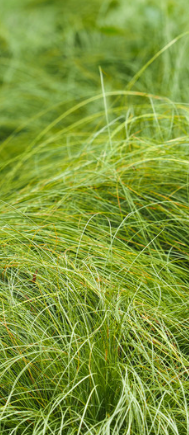
Healthy, well-maintained turfgrass still plays an important role by slowing runoff, preventing erosion, and filtering stormwater. For many homes, the best approach is a combination of lawn and thoughtfully designed landscape beds that fit the property’s needs.
Whether you have a traditional lawn, a native planting, or something in between, the same goal applies: keep soil healthy, minimize runoff, and prevent pollutants from reaching Nebraska’s waterways.
Fertilizer Isn't Better in Bigger Amounts
Plants can only use so many nutrients at one time.
When more fertilizer is applied than the lawn can absorb, rain or irrigation can carry excess nitrogen and phosphorus into nearby waterways. Those nutrients fuel algae growth, reduce oxygen in the water, and can harm fish and other aquatic life.
Before fertilizing, consider a soil test to determine whether additional nutrients are even needed.
When applying fertilizer:
- Follow label directions carefully
- Avoid spreading fertilizer onto sidewalks and driveways
- Never apply fertilizer when heavy rain is expected
Grass Clippings Belong on the Lawn
Fresh grass clippings contain valuable nutrients and organic matter.
Leaving short clippings on the lawn allows them to break down naturally, returning nutrients to the soil and helping improve its structure over time.
The problem begins when clippings are blown into streets, gutters, or storm drains.
Once rain arrives, those clippings wash into the stormwater system, where they decompose and release nutrients into local waterways.
If clippings collect on sidewalks or pavement, sweep them back onto the lawn instead of washing them away with a hose.
Bare Soil Washes Away
One of the largest sources of stormwater pollution is sediment.
Bare patches of soil are especially vulnerable during heavy rain. As runoff moves across exposed ground, it carries soil into streets, storm drains, streams, and lakes.
Keeping lawns healthy, repairing bare spots, applying mulch around trees and landscape beds, and planting vegetation quickly after construction or landscaping projects all help keep soil where it belongs.
Every Drop Carries Something
Stormwater picks up whatever is left on the ground.
That may include:
The cleaner your yard is before it rains, the cleaner the runoff will be afterward.
Small Changes Make a Big Difference
Protecting water quality doesn’t require a perfect lawn.
Healthy soil, thoughtful watering, responsible fertilizer use, and regular yard maintenance all help create landscapes that work with Nebraska’s climate while reducing pollution.
Simple practices can make a lasting difference:
- Leave grass clippings on the lawn and sweep them off pavement.
- Pick up pet waste promptly.
- Apply fertilizer only when needed and according to label directions.
- Repair bare spots before soil washes away.
- Water only when your lawn needs it.
- Keep leaves, soil, and other debris out of streets and storm drains.
Every lawn is connected to the larger watershed.
With a little care, your yard can help slow runoff, filter pollutants, and protect Nebraska’s rivers, streams, and lakes.
Our Water, Our Responsibility
Continue Learning
Stormwater connects to many aspects of our community, from flooding and water quality to infrastructure and everyday actions at home. Explore additional ways your actions impact water quality.