
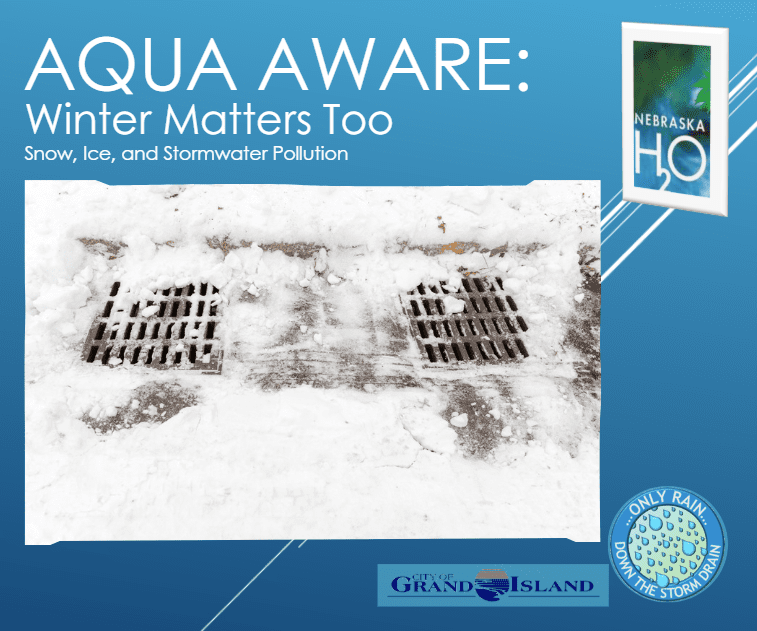
Winter Stormwater Pollution
Winter weather brings snow, ice, and the need for safe road and sidewalk maintenance. However, snowmelt and runoff can carry pollutants such as salt, sand, pet waste, and debris into local storm drains and waterways.
These systems eventually connect to local lakes, rivers, and groundwater.
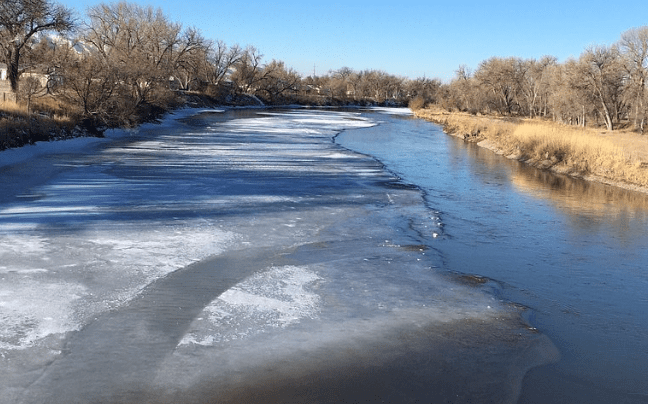
Salt in Our Water: A Local Challenge
Salt (chloride) is commonly used to melt ice on sidewalks, driveways, and roads. While effective at keeping surfaces safe, too much salt can harm our waterways:
-
Aquatic life: High chloride levels are toxic to fish, insects, and other aquatic organisms.
-
Vegetation: Plants along streams and lakes can be damaged by excessive salt.
Chloride from road salt does not get removed by stormwater systems or treatment plants. Even small amounts of salt used incorrectly can add up when snow and ice melt and flow into storm drains.
One Coffee Cup
A 12-ounce coffee mug holds enough product to deice a 20-foot driveway or 10 sidewalk squares
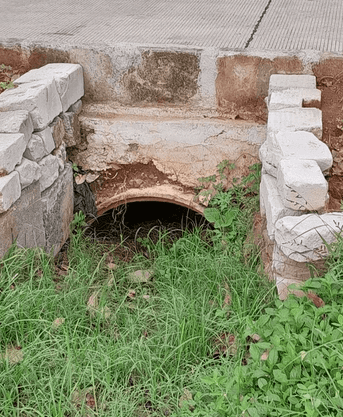
Other Winter Pollutants
-
Sediment: Dirt and sand applied to icy roads and driveways for traction contribute significantly to sediment buildup in stormwater systems. They wash into storm drains, filling pipes and ditches. This reduces capacity, increasing the risk of localized flooding.
-
Pet waste: Frozen soil acts almost like pavement. Instead of soaking into the ground, snowmelt and rain run across the surface, picking up pet waste along the way. This means even a small amount of melting can transport bacteria and nutrients much more efficiently than during the growing season.
-
Trash: Snow can cover debris, which then enters stormwater systems as it melts.
Winter Stormwater Tips for Residents and Businesses
Winter runoff can be managed carefully to protect waterways:
Use deicers responsibly
-
-
More salt does not improve melting speed
-
Sweep up excess salt after melting, if possible, and reuse it for later.
Manage snow and ice runoff
-
-
Avoid pushing snow into the street or directly into storm inlets
Maintain clean surfaces
-
-
Remove debris before and during snowmelt periods
Protect water quality year-round
-
-
Always pick up pet waste, even in winter conditions
-
Why Winter Stormwater Pollution Matters
Even small amounts of salt, sand, and debris add up across a community.
Winter runoff can:
-
- Increase chloride levels harmful to aquatic life
- Contribute to sediment buildup in stormwater systems
- Reduce pipe and ditch capacity, increasing flooding risk
- Impact lakes, rivers, and groundwater quality
Winter maintenance choices help keep roads safe—but they also affect water quality.
Using materials responsibly helps protect local waterways all year long.
Our Water, Our Responsibility
