
DIY projects are a great way to improve your home, yard, or property. But they also create one of the most overlooked sources of stormwater pollution: everyday project materials exposed to the outdoors.
When work happens outside—painting, staining, cleaning, repairing, or landscaping—the chance that materials will be spilled, washed away, or left exposed to rain increases.
And in a community with thousands of homes doing similar projects, small losses add up quickly.
Why DIY Projects Matter for Water Quality
Stormwater does not get treated before it leaves neighborhoods. It moves across driveways, streets, gutters, ditches, and storm drains, carrying whatever it picks up along the way.
That includes:
- Paint and paint wash water
- Solvents and cleaners
- Sawdust, soil, and construction debris
- Fertilizers and lawn chemicals
- Automotive fluids
- Trash and packaging
Individually, these may seem minor. But across many households and many projects, they become a measurable source of pollution in local waterways.
The Real Issue: Exposure + Volume
DIY pollution is not usually about large spills.
It is about two things:
Exposure: materials left outside where rain can reach them
Volume: how many households are doing similar projects at the same time
A single paint rinse or small spill may not seem significant. But when multiplied across neighborhoods during peak project seasons, stormwater collects and transports those materials into streams, lakes, and the Platte River system.
Simple Ways to Prevent Pollution During Projects
Most prevention steps are easy and just require planning ahead.

Keep Work Contained
-
- Work on stable surfaces where spills can be controlled
- Avoid rinsing tools, brushes, or equipment outdoors
- Cover materials when not in use
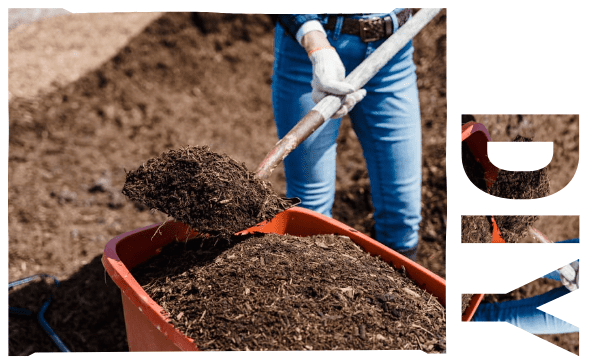
Think Before You Rinse
-
- Never wash paint, stain, or chemicals into driveways or streets
- Do not use storm drains as disposal points
- Capture and dispose of wash water properly
Read Product Labels
-
- Follow instructions for use, storage, and disposal
- Many products include specific disposal requirements that protect water quality
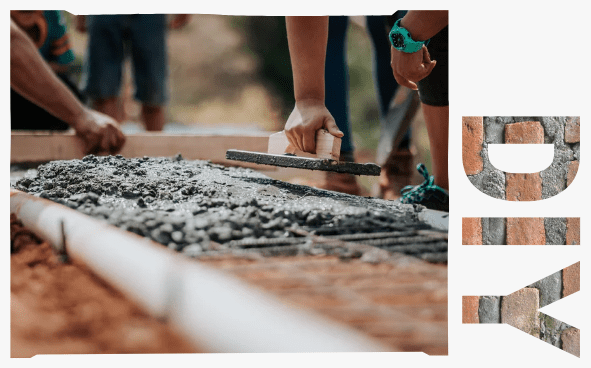
Buy Only What You Need
-
- Overbuying increases leftover disposal challenges
- Smaller quantities reduce waste and storage risks

Dispose of Materials Properly
-
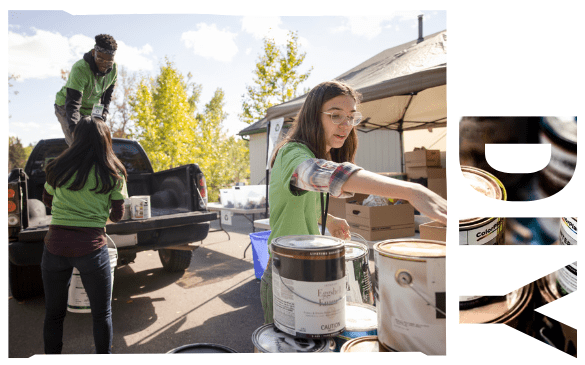
- Use household hazardous waste programs for paints, solvents, and chemicals
- Never place liquid hazardous materials in the trash or outdoors
Why “Clean Up Later” Isn’t Enough
Stormwater does not wait for cleanup.
A material left on a driveway today can be picked up by the next rainfall and transported into:
- Storm drains
- Ditches and channels
- Local lakes and rivers
- Groundwater-connected systems
Once it enters the system, removal becomes much more difficult and expensive.
The Community Effect
This is another “numbers issue.”
One household doing a project safely has a small impact.
Thousands of households doing projects safely has a measurable impact on water quality.
Stormwater reflects the collective behavior of the entire community.
Why It Matters
DIY projects are part of maintaining and improving our community—but they also interact directly with stormwater systems.
When materials are contained, cleaned up properly, and disposed of safely, fewer pollutants reach local waterways. That helps protect:
- Rivers and lakes
- Drinking water sources
- Aquatic habitat
- Stormwater infrastructure
Small choices during everyday projects help keep water clean long after the work is done.
Our Water, Our Responsibility
Continue Reading:
Many activities that happen in your driveway have a large impact on water quality: