

tl;dr
Can I Drain My Pool to Storm Drains?
Chlorinated Water – No
Saltwater – No
Filter flush water – No
Dechlorinated Water – Yes, if discharged slowly onto your own landscaped area
Hot Tub – No
Summer fun eventually comes to an end, but the water in your swimming pool still needs somewhere to go.
Whether you’re draining an above-ground pool, lowering the water level after heavy rain, or emptying a hot tub, it’s important to think about where that water will end up.
In most communities, storm drains carry water directly to local streams, rivers, lakes, and wetlands without treatment. Pool water can contain chlorine, salt, algaecides, and other chemicals that may harm aquatic life if discharged improperly.
The good news is that with a little planning, pool water can often be managed safely.
Can Pool Water Go Into a Storm Drain?
Usually, no.
Pool water should not be discharged directly into a storm drain while it still contains chlorine or other pool chemicals. Even small amounts of chlorine can be harmful to fish and other aquatic organisms.
If your pool uses saltwater, the water should also be kept out of storm drains. Although saltwater pools use lower concentrations of salt than seawater, repeated discharges can increase salt levels in streams, ponds, and soils where plants are not adapted to those conditions.
When Is It Safe to Drain a Pool?
Pool water may be suitable for discharge after chlorine has dissipated and the water is clean.
Before draining your pool:
- Stop adding chlorine and other treatment chemicals for several days, following the manufacturer’s recommendations.
- Test the water to confirm chlorine levels are near zero.
- Remove leaves, debris, and other materials that could wash away with the water.
If you are unsure whether the water is safe to discharge, contact your local stormwater or wastewater utility for guidance.
Where Should Pool Water Go?
Whenever possible, direct pool water onto your own property where it can soak into a healthy lawn or landscaped area.
Allowing water to flow slowly across vegetated areas gives the soil time to absorb it while reducing erosion and preventing runoff from reaching streets and storm drains.
Avoid creating standing water, flooding neighboring properties, or allowing water to flow across sidewalks or roadways.
Large volumes of water should always be released slowly.
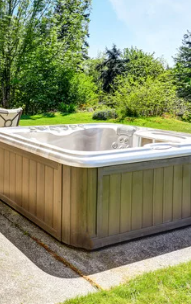
What About Hot Tubs?
Hot tubs often contain higher concentrations of sanitizers and other chemicals than swimming pools.
Like pool water, hot tub water should not be discharged into storm drains while chemicals are still present.
Allow sanitizers to dissipate, follow the manufacturer’s recommendations, and discharge water in a way that protects nearby waterways.
A Few Minutes of Planning Protects Local Water
Before draining a pool or hot tub, ask yourself one simple question:
Where will this water go?
Directing clean, dechlorinated water across a healthy lawn or landscaped area allows the soil to filter and absorb it naturally. Keeping chlorinated or salty water out of storm drains helps protect fish, wildlife, and the streams and rivers we all share.
Our Water, Our Responsibility
Our Water, Our Responsibility
Continue Learning
Stormwater connects to many aspects of our community, from flooding and water quality to infrastructure and everyday actions at home. Keep reading to learn more about how your actions at home impact Grand Island’s water quality and what you can do to help protect local waterways.