
Most of us think about water in separate pieces. Rain falls from the sky. Rivers flow across the landscape. Groundwater stays hidden beneath our feet. Drinking water comes from the tap.
In reality, it’s all part of the same system.
Across central Nebraska, rain, stormwater, the Platte River, and groundwater are constantly connected. Water is always moving—across the land, through streams, and below the surface. Understanding that journey helps explain why everyday actions can have lasting effects on water quality.
One Raindrop, Two Paths
Every drop of rain that falls in Grand Island follows one of two paths.
It can run across the surface as stormwater, or it can soak into the ground through a process called infiltration.
Which path it takes depends largely on where it lands.
Hard surfaces like rooftops, streets, driveways, and parking lots don’t absorb water. Instead, rainfall runs off quickly, carrying it toward storm drains.
Lawns, gardens, fields, and other vegetated areas allow water to soak into the soil, where it begins a much slower journey underground.
Fast Route: Stormwater
Stormwater moves quickly.
It flows across pavement, enters storm drains and roadside ditches, passes through lakes and creeks, and eventually makes its way to the Platte River.
Unlike wastewater, stormwater usually isn’t treated before reaching natural waterways.
Along the way, it can pick up sediment, fertilizer, pet waste, oil, leaves, and litter. That’s why keeping pollution off streets and out of storm drains is one of the simplest ways to protect local water quality.
Slow Route: Groundwater
Water that soaks into the ground doesn’t disappear.
It filters through layers of soil, sand, and gravel until it reaches underground water-bearing formations known as aquifers. This is our groundwater.
Groundwater supplies drinking water for communities across Nebraska, supports crops and wildlife, and helps keep streams flowing during dry weather.
Unlike stormwater, groundwater moves slowly. A drop of water may spend months—or even years—traveling beneath the surface.
The Platte River and Groundwater Are Connected
It’s easy to picture the Platte River flowing above ground and groundwater sitting below it. In reality, water moves between the two.
During dry periods, groundwater often feeds the river, helping maintain streamflow. At other times, river water seeps through the riverbed and recharges the aquifer below.
The direction changes depending on rainfall, river levels, and groundwater conditions, but the connection is always there.
That’s one reason protecting the Platte River also helps protect the groundwater resources our communities depend on.
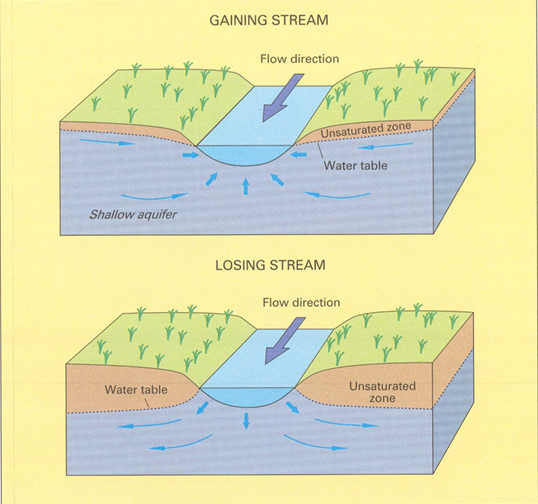
Diagram courtsey of USGS: Ground water and surface water – A Single Resource
Why Infiltration Matters
Infiltration is what ties the entire system together.
When rain has a chance to soak into the ground instead of rushing into storm drains, it provides several benefits:
-
- Recharges groundwater supplies
- Reduces runoff and localized flooding
- Allows soil to naturally filter pollutants
- Slows the movement of water across developed areas
Simple practices like planting native vegetation, building rain gardens, and maintaining healthy soils all help increase infiltration.
Working with nature often solves problems more effectively than moving water away as quickly as possible.
Every Property Makes a Difference
Protecting water quality doesn’t require large projects. Small decisions made every day add up across the watershed.
You can help by:
-
- Picking up pet waste.
- Sweeping leaves, grass clippings, and dirt instead of washing them into the street.
- Applying fertilizers and pesticides according to the label.
- Planting native landscaping or a rain garden where appropriate.
- Keeping storm drains clear of leaves and litter.
- Preventing bare soil from washing away during rain.
Each of these actions reduces pollution, slows runoff, and helps more water return to the ground naturally.
Why It Matters
Water never stays in one place.
The rain that falls on your yard today may flow through a neighborhood creek, reach the Platte River, seep into the aquifer, and eventually become part of the drinking water supply for communities across central Nebraska.
Every step in that journey is connected.
Protecting stormwater means protecting the Platte River. Protecting the Platte River helps protect groundwater. And protecting groundwater helps ensure clean, reliable water for generations to come.
Our Water, Our Responsibility
Continue Learning
Stormwater connects to many aspects of our community, from flooding and water quality to infrastructure and everyday actions at home. Keep reading to explore how water flows through your community.