
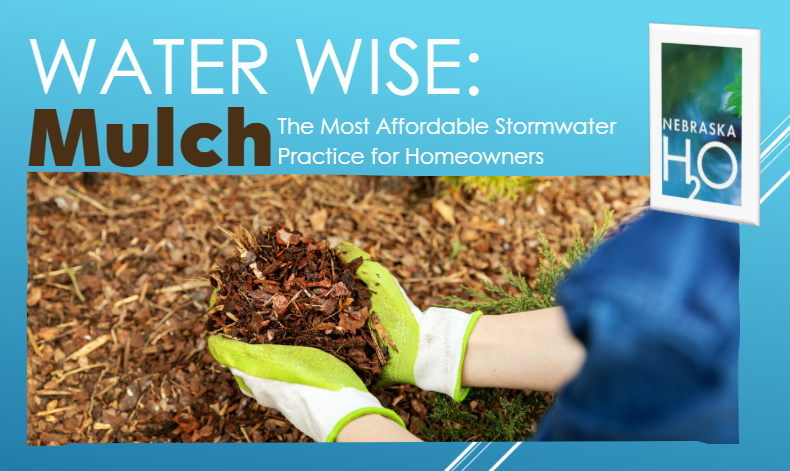
Many homeowners think of mulch as a finishing touch—a way to make flower beds look neat and tidy.
But mulch does much more than improve curb appeal.
A layer of mulch protects soil, reduces evaporation, helps plants thrive, and allows landscapes to better handle rainfall. It is one of the simplest and most affordable practices homeowners can use to improve their yard and protect water quality.
Mulch Protects Soil From Rainfall
Bare soil is vulnerable.
When rain falls directly onto exposed soil, the impact of each raindrop can loosen soil particles. During heavier storms, those particles can wash away as sediment and eventually reach streets, storm drains, streams, and rivers.
Mulch acts like a protective blanket over the soil surface. It absorbs the impact of rainfall, reduces erosion, and helps keep soil where it belongs.
Healthy soil is one of the first steps toward managing stormwater at home.
Mulch Helps Soil Hold Water
Mulch slows evaporation by shading the soil surface and keeping temperatures more consistent.
That means plants often need less frequent watering, especially during hot Nebraska summers.
As organic mulch breaks down over time, it also adds organic material back into the soil. This improves soil structure and helps the ground absorb and store more water.
Healthy soil works like a sponge. Mulch helps protect that sponge.
Mulch Supports Healthy Soil Life
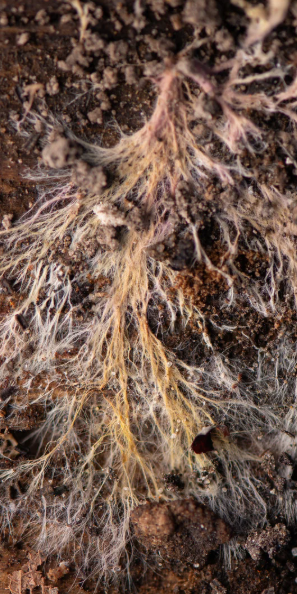
Soil is home to an entire community of organisms working beneath our feet.
Earthworms, fungi, bacteria, and other microorganisms help break down organic materials, cycle nutrients, and improve soil structure.
Organic mulches such as shredded wood, bark, and leaves provide a food source for this underground ecosystem. Over time, that process creates healthier soil that supports stronger plants and better water infiltration.
A landscape with healthy soil is better prepared for both heavy rainfall and dry conditions.
Mulch Makes Landscapes More Water-Wise
Mulch is especially useful in landscapes designed to conserve water.
In drought-tolerant landscapes, mulch helps reduce moisture loss and gives newly planted vegetation time to establish strong root systems.
In rain gardens, mulch helps protect soil, reduce erosion, and keep the planting area healthy while rainfall moves through the landscape.
Mulch does not replace good plant choices or healthy soil, but it supports both.
Choose the Right Mulch for the Location
Not all mulch behaves the same way during heavy rain.
Lightweight materials, such as fine shredded mulch, can float or wash away in areas where water moves quickly. Larger wood chips or heavier mulch materials are often better choices for areas exposed to runoff.
Consider the location before choosing a mulch:
-
- Use heavier mulch in areas where water may flow during storms.
- Avoid placing loose mulch where it can wash into streets or storm drains.
- Choose materials that support the plants and landscape design.
The best mulch is the one that stays in place and helps the landscape function.
Mulch Trees Correctly
Trees benefit from mulch, but the way mulch is applied matters.
A common mistake is creating a “mulch volcano” by piling mulch against the trunk of a tree. This can trap moisture against the bark, encourage decay, and create conditions that harm the tree.
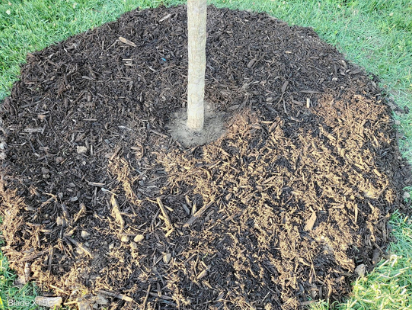
Instead, make a “mulch donut”:
-
- Apply mulch in a wide ring around the tree.
- Keep mulch several inches away from the trunk.
- Maintain a layer about 2–4 inches deep.
- Avoid covering the root flare at the base of the tree.
Proper mulching protects tree roots while allowing the tree to breathe.
Small Changes Add Up
Mulch may seem like a simple landscaping choice, but simple choices can have a big impact.
By protecting soil, reducing evaporation, and helping landscapes absorb rainfall, mulch supports healthier yards and cleaner waterways.
A few bags of mulch may not seem like stormwater management, but every practice that keeps water and soil working together helps protect Nebraska’s water resources.
Our Water, Our Responsibility
Continue Reading
Explore Healthy Lawns, Healthy Waterways for more opportunities to create a water-friendly landscape at home.