
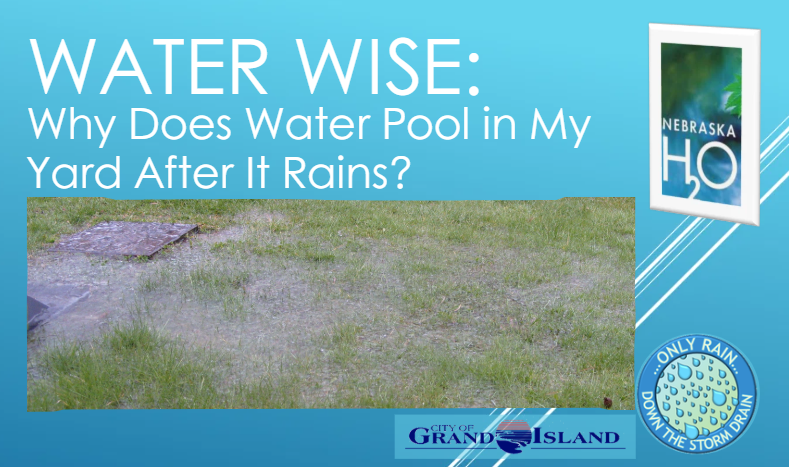
After a heavy rain, some yards dry quickly while others stay soggy for days. If you’ve ever looked outside and wondered why water keeps collecting in the same spot, you’re not alone.
A little water after a storm is normal. Lawns, gardens, and low areas are supposed to hold some moisture after rainfall.
The problem starts when water does not go away.
Standing water can make mowing difficult, damage plants, create muddy areas, attract mosquitoes, and sometimes point to a larger drainage issue. Understanding how water moves through your landscape is the first step toward finding a solution.
Not All Standing Water Is a Problem
After a large storm, it is normal for water to remain on the ground for a short time.
During intense rainfall, the soil can become saturated faster than it can absorb water. Low areas may temporarily hold water until the ground has time to drain.
Most temporary puddles disappear within a day or two.
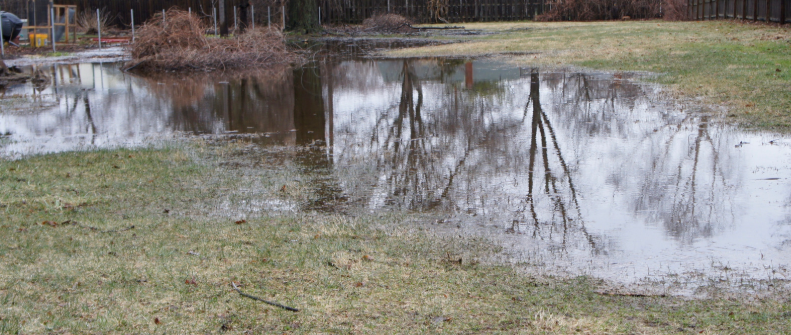
Water that remains for several days after rain, appears after small storms, or continues during dry periods may indicate a drainage issue worth investigating.
Water Naturally Collects in Low Areas
Water always follows the path of least resistance.
Even small changes in elevation can create areas where water collects. A yard that appears flat may have subtle slopes directing water toward one corner, fence line, or the side of a house.
Common problem areas include:
-
- Low spots in lawns
- Settled areas near foundations
- Depressions left after construction
- Areas near driveways, sidewalks, or patios
- Locations where neighboring properties drain toward your yard
Quick Check
Watch where water flows during the next rainstorm. Water often stops moving at the low point – the cause of the problem.
Your Soil May Not Be Absorbing Water Quickly Enough
Healthy soil acts like a sponge.
Rain soaks in, moves through the soil, and becomes available for plants and groundwater. But not all soils absorb water at the same rate.
Clay Soils Drain Slowly
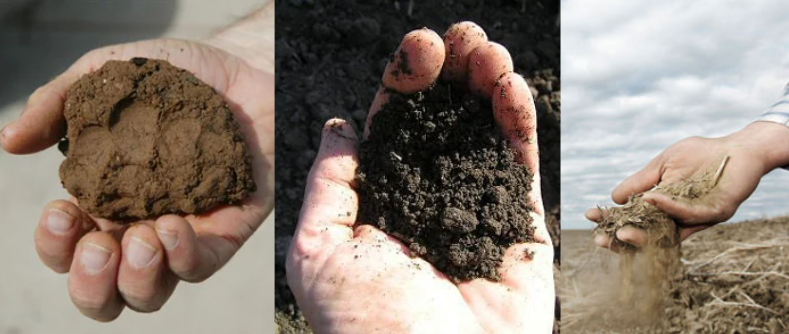
Clay soils contain very small particles packed closely together. Water moves through these soils slowly, which can naturally lead to longer periods of wet conditions.
Much of Nebraska has soils with varying amounts of clay.
Quick Check
Grab a handful of damp soil and squeeze it.
-
- Clay-rich soil tends to hold its shape.
- Sandy soil tends to crumble apart.
Compacted Soil Limits Infiltration
Compacted soil has fewer spaces for water and air to move through.
Soil can become compacted from:
-
- Construction equipment
- Vehicle traffic
- Heavy foot traffic
- Repeated mowing when soil is wet
- Removing vegetation and leaving bare ground
Signs of compaction include:
-
- Water pooling after small storms
- Thin or struggling grass
- Hard soil that is difficult to dig
- Water running across the surface instead of soaking in
Improving soil health over time can increase infiltration and reduce runoff.
Quick Check
Use a long screwdriver to test soil compaction. Probe dry soil with the screwdriver – if it is difficult to push into the ground, your soils are probably compacted.
Your Yard May Be Receiving Water From Somewhere Else
Not all water in your yard starts there.
Runoff can come from:
-
- Roofs and downspouts
- Driveways and sidewalks
- Neighboring properties
- Streets or drainage areas
During larger storms, more water may reach the landscape than the soil can absorb immediately.
Some temporary ponding is expected, especially in low areas designed to store runoff. The important question is how long the water remains.
Downspouts Can Create Wet Spots
A roof can collect hundreds of gallons of water during a heavy rainfall.
When downspouts discharge near a foundation, fence, or low area, they can create persistent wet spots.
Check that your downspouts:
-
- Discharge away from your home
- Direct water toward grass or landscaped areas
- Are not clogged or disconnected
- Do not create runoff problems for neighboring properties
A simple extension can spread water over a larger area where it can soak into the soil. A rain barrel can be used to collect the water for future use.
Some Wet Areas Are Designed to Hold Water
Not every wet area is a problem.
Many neighborhoods include drainage features designed to temporarily store stormwater, such as:
-
- Drainage swales
- Detention basins
- Low areas that collect runoff
These areas may look wet after a storm because they are doing their job—holding water temporarily and reducing flooding elsewhere.
A drainage area that dries out between storms is usually functioning as intended.
High Groundwater May Be the Cause
Sometimes the problem is not water coming from above.
It may be water already in the ground.
After extended periods of rainfall, groundwater levels can rise closer to the surface. When soil is already saturated, there is less room for additional rainfall to soak in.
In Nebraska, this is more common near river systems, sand hills, wetlands, lakes, and in naturally low areas.
If a yard stays wet even when there has not been recent rainfall, groundwater conditions may be part of the reason.
Consider a Rain Garden
If water consistently collects in the same location, a rain garden may help turn a problem area into a solution.
Rain gardens are shallow landscaped areas designed to temporarily capture runoff and allow it to soak into the ground.
Benefits include:
-
- Reduced standing water
- Improved water quality
- Less runoff leaving the property
- Attractive landscaping
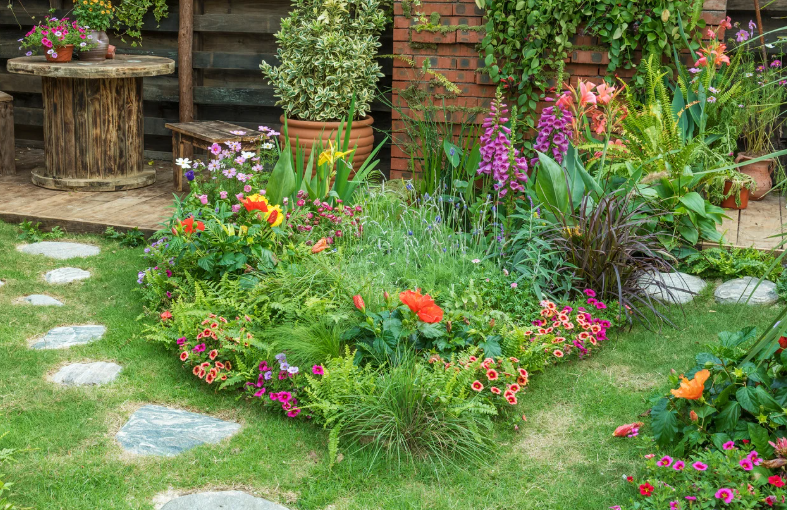
A wet area does not always need to be eliminated. Sometimes it can be redesigned to work with the way water naturally moves.
What Homeowners Can Do
There is no single fix for every wet yard, but several practices can help improve drainage and infiltration:
-
- Keep soil covered with healthy grass, plants, or mulch
- Avoid driving on wet lawn areas
- Extend downspouts away from foundations
- Keep natural drainage paths clear
- Add compost or organic matter to improve soil structure
- Consider native plants or a rain garden in areas that naturally collect water
Small changes can improve how water moves across your property and reduce runoff leaving your yard.
When Should You Be Concerned?
Consider investigating further if:
-
- Water remains for more than several days
- Water enters your home or foundation area
- Erosion is occurring
- Mosquito problems become significant
- Flooding appears to be worsening over time
- Water remains in streets or drainage areas long after storms
Persistent drainage issues may require grading improvements, drainage modifications, or professional evaluation.
If the issue appears related to public infrastructure, such as a blocked storm drain or damaged drainage structure, contact your local Public Works department.
Why It Matters
Every property is part of a larger watershed.
The way water moves through one yard can affect streets, drainage systems, and waterways downstream.
Healthy soil, thoughtful landscaping, and maintained drainage paths all help rainwater soak into the ground where it falls instead of becoming a problem somewhere else.
A wet yard is not always a sign that something is wrong. Sometimes it is a clue showing how water moves through the landscape.